Andrew McMahon From Something Corporate Is On A Crusade Against Ticket Reselling
Published August 6, 2026 · US
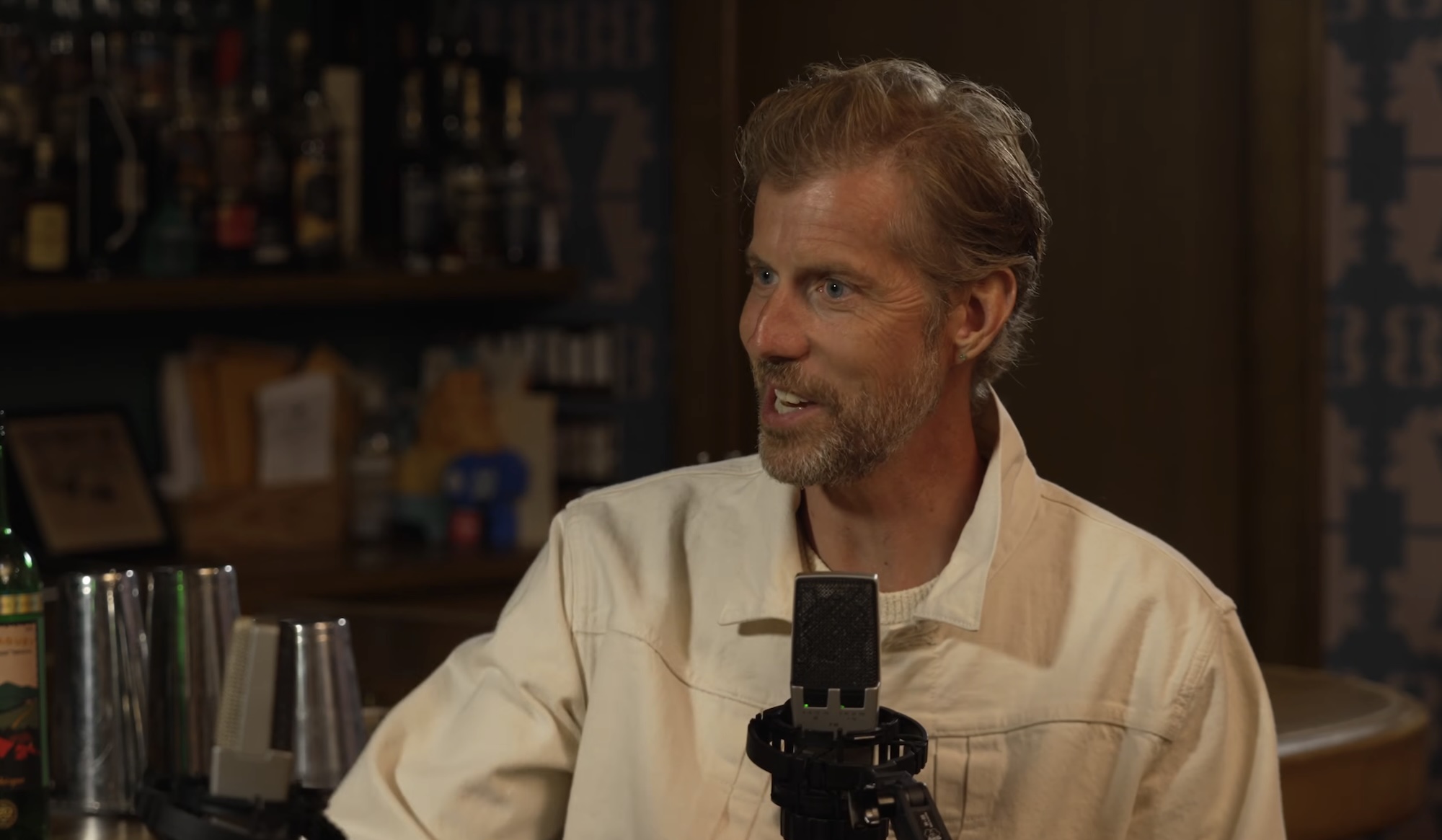
Like a lot of artists and live-music fans right now, Andrew McMahon has had it with StubHub. You’re probably aware of this if you follow the Something Corporate and Jack’s Mannequin frontman on Instagram. I found this out over a tasting of rare mezcals, which…
Andrew McMahon, known for his work with Something Corporate and Jack’s Mannequin, has emerged as a vocal critic of the ticket resale industry, particularly targeting platforms like StubHub. His growing frustration reflects a wider discontent among artists and concertgoers over the escalating costs and unethical practices surrounding live event ticket sales.
The issue arises from the widespread use of automated bots and sophisticated algorithms by scalpers who buy up large quantities of tickets the moment they become available. These tickets are then resold at exorbitant markups, sometimes ten times the original price. This system not only inflates prices but also restricts genuine fans from accessing affordable tickets, undermining the intended connection between artists and their audiences.
Related stories



McMahon’s stance is rooted in his belief that music serves as a fundamental communal experience that predates modern ticketing systems. He emphasizes the cultural and social importance of live music gatherings, which have historically brought people together irrespective of commercial interests. The current resale market, however, disrupts this dynamic by placing profit above accessibility and authenticity.
Research highlighted by brobible.com reveals the scale of the problem, citing a 2025 investigation that estimated StubHub facilitated $9.2 billion in ticket sales, with the majority controlled by large-scale scalpers rather than casual fans. These practices not only distort supply and demand but also create a marketplace where tickets are hoarded and prices artificially maintained at premium levels, resulting in partially empty venues despite claims of sellout shows.
McMahon points out that while traditional supply and demand dynamics do influence ticket availability, the unchecked tactics of scalpers—often bolstered by financial entities and management groups—have turned the system into a lucrative arbitrage operation. This exploitation leaves artists watching as their fan bases are financially strained, while intermediaries reap substantial profits without contributing to the live experience.
Compounding this issue, investigations have uncovered problematic financial entanglements within ticket resale platforms. For instance, StubHub’s CEO has been linked to investment funds actively involved in buying and reselling tickets on the platform, raising concerns about conflicts of interest and the integrity of the marketplace. Regulatory bodies in multiple regions, including the United States and the United Kingdom, have begun probing these practices, resulting in fines and class action lawsuits alleging deceptive business conduct.
Despite the growing scrutiny, significant regulatory reform remains elusive. McMahon expresses surprise at the lack of legislative action, urging more public outcry and government intervention to address what he sees as a fundamentally exploitative market. Meanwhile, some industry insiders have acknowledged the problem's severity, with executives describing the scalping-driven model as exploitative.
In response to these challenges, McMahon advocates for straightforward measures to empower artists, such as the introduction of an opt-out option that would prevent tickets from being resold on secondary markets. He has experimented with alternative distribution methods including exclusive fan-club presales and will-call pickups to mitigate scalping, but faces resistance from industry stakeholders who benefit financially from the existing system.
McMahon also counsels his fans against purchasing overpriced tickets from scalpers, encouraging patience and warning against fueling the resale market. His personal experiences include paying premium prices to attend shows, yet he questions whether the cost was justified, highlighting the broader dilemma faced by fans.
Ultimately, McMahon’s campaign sheds light on the tension between maintaining the integrity of live music as a shared cultural event and the commercialization that threatens to limit access to only the wealthiest. His efforts underscore the need for a more equitable ticketing landscape that respects both the artist’s creative intent and the fans’ desire for genuine connection.
Full story & global impact
This article was synthesized and rewritten by MusicTop Editorial from reporting published by brobible.com. Read the publisher's report for the complete source context.
Read original source: brobible.com