How to Explore San Francisco Through Its Photo Booths
Published August 6, 2026 · US
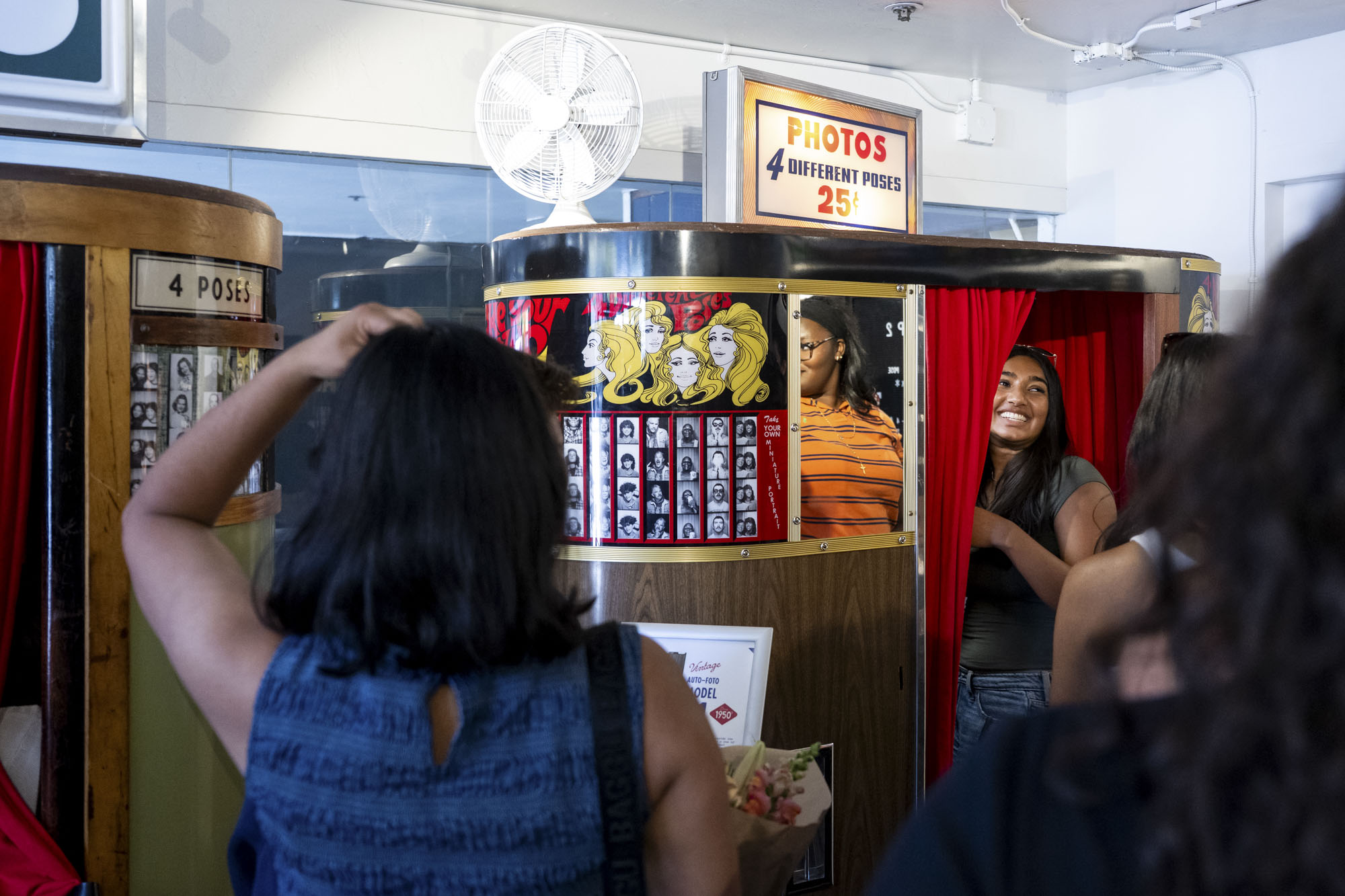
Love hopping into a photo booth? Try our tried-and-tested photo booth tour through the Mission, Castro and Haight-Ashbury.
San Francisco has become a unique destination for enthusiasts of vintage analog photo booths, with many locations attracting visitors eager to capture physical memories. These booths, some dating back to the 1940s and 1950s, offer an experience distinct from digital photography, requiring patience for film development and encouraging deliberate posing. According to local experts, this analog appeal is particularly strong among younger generations who value tangible memorabilia amid the ubiquity of digital images.
The revival of interest in analog photo booths is credited in part to Doug Ellington, co-owner of Photomatica, a company specializing in restoring and renting vintage booths. Ellington and his co-founder Matt Dewalt have not only established a Photo Booth Museum in the Castro District but also expanded to other cities including Los Angeles and Houston. Their work involves both preserving original machines and designing new digital booths with vintage aesthetics, serving a growing demand for authentic photographic experiences.
Related stories
Danielle Fishel Gets Honest About ‘Girl Meets World’ Pay, Says She Knew She Was Disliked on Set for Setting Boundaries (EXCLUSIVE)
Ellington's passion for analog booths began over a decade ago in San Francisco's Haight-Ashbury neighborhood, where he first encountered distinctive booths at a vintage clothing store. This personal connection motivated him to construct his own booth when unable to find a suitable rental for his wedding, ultimately leading to Photomatica’s formation. The company now sources booths from diverse locations such as amusement parks, carnivals, and even international arcades, contributing to a rich collection that blends history with contemporary culture.
The Photo Booth Museum in the Castro remains a focal point for visitors, especially during the summer months when crowds gather to use the classic machines. Patrons often strategize poses and wait in lines, embracing the slower pace required by analog photo development. Ellington highlights that despite vintage booths once being advertised for quick photo turnaround, modern users must exercise patience as images finish processing, sometimes using museum-provided blowdryers to speed drying.
San Francisco’s photobooth scene expands beyond the museum, with a self-guided tour connecting locations across the Mission, Castro, and Haight-Ashbury neighborhoods. Notable stops include Kilowatt, a bar and music venue offering a vintage analog booth, and Hamu Studio, which features customizable digital booths with creative props and unique camera angles. Another highlight is the booth at Amoeba Music in Haight-Ashbury, blending music culture with photobooth nostalgia.
The itinerary continues to integrate social venues such as arcade bars and restaurants, including a beloved Italian eatery in the Mission hosting a photo booth with a distinctive cheetah-patterned backdrop. Nightlife locations like El Rio and The Knockout provide additional opportunities to capture moments in analog form, complementing their live music and community events. This combination of entertainment and photography fosters a vibrant cultural connection that extends beyond mere souvenir-taking.
While Photomatica operates many of the city’s booths, some remain independent, reflecting a diverse ecosystem of analog experiences. The company envisions San Francisco developing a public photo booth culture similar to Berlin’s, where accessible street-side booths for modest fees have become a tourist attraction. Such growth would support the preservation of analog photography traditions amid the digital age’s transient imagery.
Despite the proliferation of photo booths, some historically popular locations have closed or removed their machines, highlighting the need for up-to-date information for those seeking these experiences. Several online resources list booths across the Bay Area, although their accuracy varies, necessitating direct confirmation from venues. Enthusiasts continue to discover new spots while valuing the physicality and personal connection that analog photo strips provide.
In addition to traditional photo booths, San Francisco hosts other creative photographic experiences like aura photography, which overlays color interpretations of emotional states onto portraits. These offerings showcase the city’s broader engagement with alternative visual art forms connected to personal expression and memory.
The resurgence of analog photo booths in San Francisco underscores a shifting dynamic in how audiences engage with photography. While digital platforms enable rapid, often ephemeral sharing of images, the analog format fosters intentionality, nostalgia, and a physical artifact that endures. This trend also influences local music venues and nightlife, where photo booths complement live performances and community gatherings, enhancing fan interactions and event atmospheres.
For the music industry, the analog photo booth revival offers venues and artists new avenues for audience engagement, blending visual culture with live musical experiences. The tactile nature of photo strips can deepen fan loyalty and provide collectible memorabilia, which digital media alone rarely achieves. As digital saturation continues, the appeal of analog artifacts may persist as a counterbalance, encouraging venues and artists to integrate these elements into their ongoing promotional and experiential strategies.
Looking ahead, the continued development of public photo booth installations in San Francisco could further embed this analog tradition into the city’s cultural fabric. By fostering accessibility and maintaining restored vintage machines, the city might cultivate a distinctive identity similar to other international hubs known for their photobooths. Such efforts would not only preserve historical technology but also sustain community engagement through shared, tangible experiences in an increasingly digital world.
Full story & global impact
This article was synthesized and rewritten by MusicTop Editorial from reporting published by kqed.org. Read the publisher's report for the complete source context.
Read original source: kqed.org