Art Has Its Own Power Outside of the Systems That Profit From It
Published August 7, 2026 · US
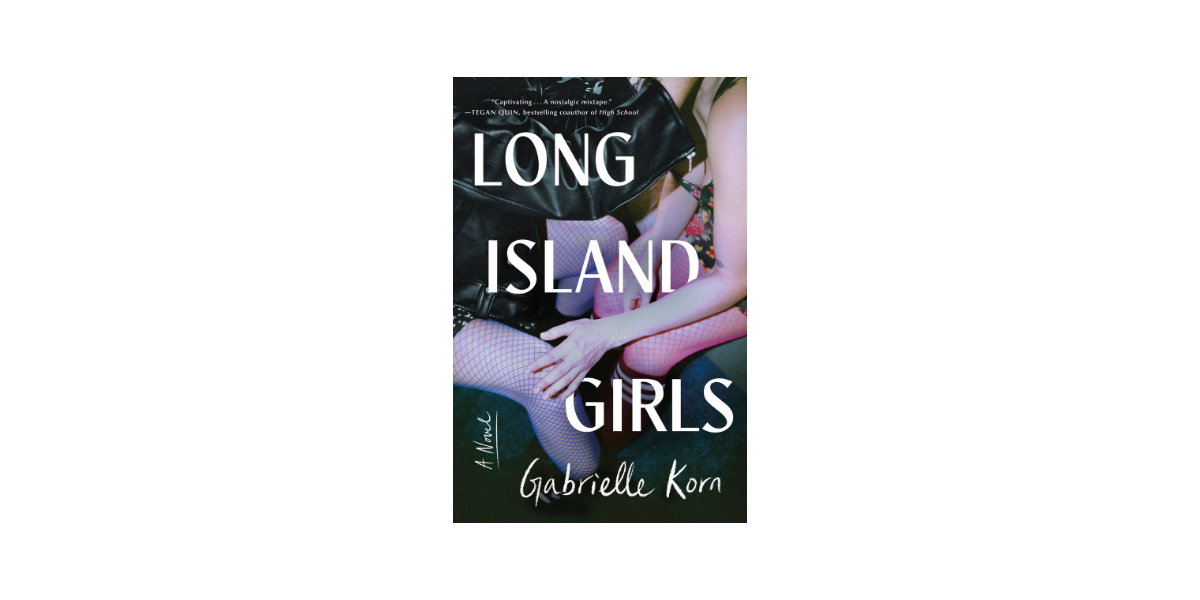
Music is a way for us to tell the truth. To feel our souls inside our bodies. The novel 'Long Island Girls' understands this well. The post Art Has Its Own Power Outside of the Systems That Profit From It appeared first on Autostraddle.
In the landscape of contemporary music and culture, art continues to assert a force that transcends commercial frameworks and systemic inequalities. Gabrielle Korn’s novel Long Island Girls, spanning two decades from 2005 to 2025, vividly captures this dynamic through the life of Susan Goldstein, an indie music enthusiast navigating personal and professional growth amid an evolving musical ecosystem.
Susan’s journey begins in her late teens in the early 2000s, a period marked by cultural touchstones such as AIM chats, burning CDs, and the waning days of physical record stores like Tower Records. These formative experiences set the stage for a nuanced exploration of identity, desire, and artistic passion. A pivotal moment occurs when Susan attends a concert of the band ?? (pronounced What-What), where she meets Eliza, a figure embodying a contrasting social image yet igniting a profound connection, and Jonny, the band’s lead singer, who becomes a guiding presence in her musical and personal life.
Related stories



As Susan matures into adulthood, she relocates to Brooklyn and comes out as a lesbian, working at Rider Die Records and remaining emotionally tethered to Eliza. Korn uses Susan’s evolving relationship with music and Eliza to reflect broader themes of longing, self-discovery, and the complexities of human connection. The narrative delicately intertwines personal emotion with the shifting realities of music consumption and production.
Long Island Girls also serves as a critical lens on the music industry’s structural challenges. Through Susan’s experiences, readers encounter the decline of independent venues due to economic pressures, persistent pay disparities, and systemic failures to address sexual harassment. The industry’s increasing reliance on social media algorithms and sponsored content reshapes how music is marketed and consumed, often sidelining authentic artistic expression in favor of marketable moments, particularly within queer art scenes.
The novel further contrasts past and present queer representation in music. While Susan’s generation struggled with visibility and acceptance, younger artists such as Muna, Hayley Kiyoko, and Troye Sivan achieve notable mainstream success, highlighting shifts in cultural openness and industry support. Yet, Korn does not romanticize this progress; she acknowledges ongoing inequities, especially for musicians balancing creative work with economic survival, as exemplified by Jonny’s struggle to sustain a career without sacrificing stability.
Korn’s work underscores the tension between artistic creation and capitalist constraints, illustrating how talent and dedication alone do not guarantee success. Financial resources and systemic advantages often dictate access and longevity in the music world, complicating the pursuit of artistic authenticity.
Despite these obstacles, Long Island Girls affirms the intrinsic power of art as a mode of truth-telling and emotional embodiment. For Susan, music transcends its commercial context, becoming a source of solace, community, and self-realization. This emotional resonance propels her commitment to the music industry, even when faced with its imperfections and injustices.
The novel also resonates on a personal level with readers navigating their own transitions through adulthood. It invites reflection on the multiplicity of selves formed over time and the enduring influence of past experiences and relationships. By chronicling Susan’s growth alongside evolving musical landscapes, Korn offers a meditation on resilience, change, and the capacity for art to sustain us through uncertainty.
Long Island Girls thus emerges as a significant cultural narrative that bridges personal and collective histories within the music world. It documents not only the evolution of one woman’s life but also the broader shifts in queer representation, industry economics, and artistic expression across two decades.
In capturing these intersecting trajectories, Gabrielle Korn’s novel contributes a vital perspective to ongoing conversations about the value of art beyond profit-driven systems. It reminds us that while the music industry may be fraught with challenges, the power of art endures, shaping how we experience identity, connection, and change.
Full story & global impact
This article was synthesized and rewritten by MusicTop Editorial from reporting published by autostraddle.com. Read the publisher's report for the complete source context.
Read original source: autostraddle.com