50 years later, the Ramones’ debut still defines punk
Published August 10, 2026 · US
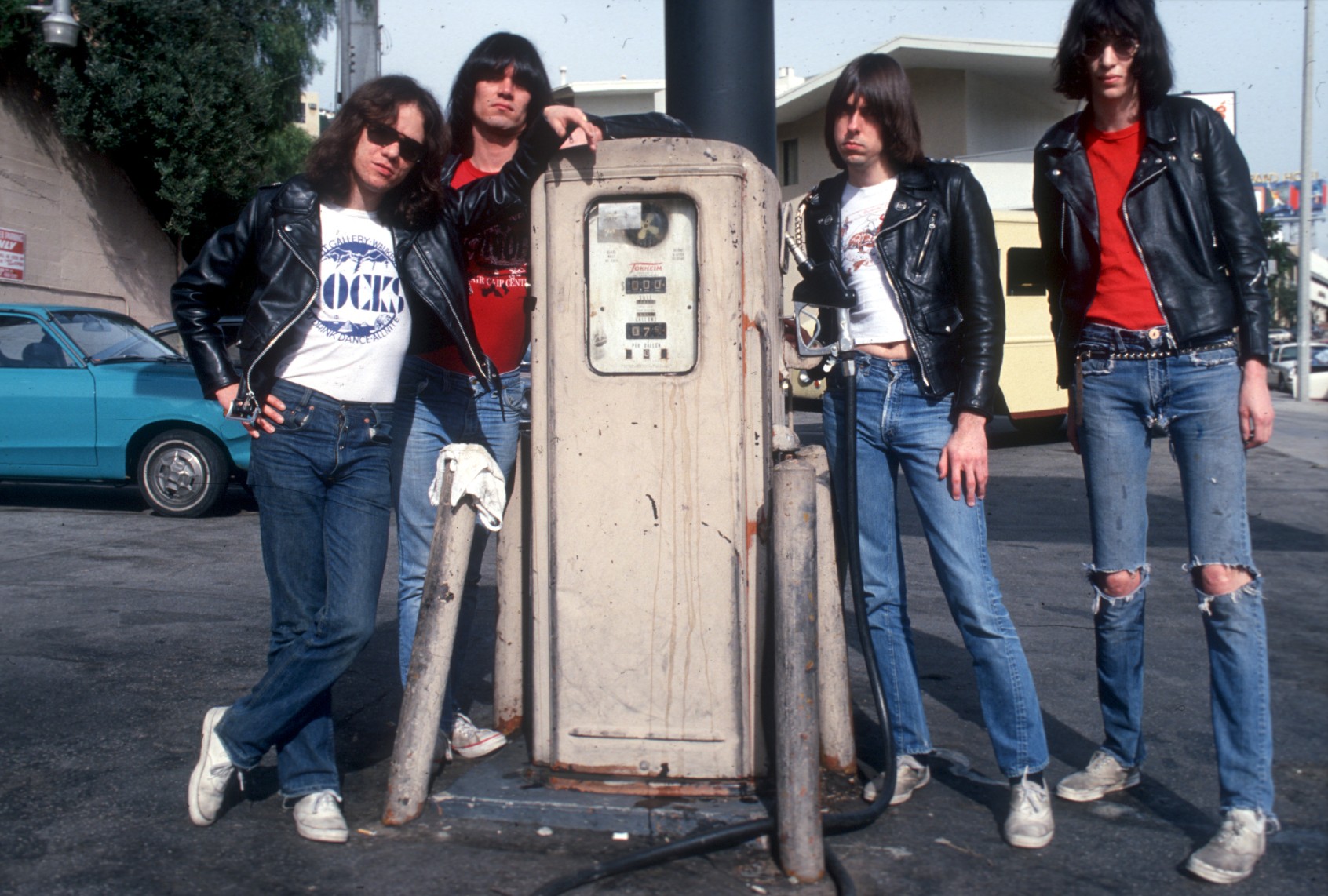
The band's first album flopped in 1976, but its influence on popular culture remains undeniable.
In 1976, the Ramones released their self-titled debut album, an offering that, while failing to make a significant commercial impact, would become foundational to the punk rock movement. The record featured 14 succinct tracks, characterized by their brevity and raw energy, with most songs clocking in around two minutes. Its opening number, “Blitzkrieg Bop,” has since transcended the album to become a pervasive anthem, heard at sporting events and in various media, emblematic of the band’s spirited and straightforward approach to music.
The band members—Johnny, Tommy, Joey, and Dee Dee Ramone—presented a unified image that was both deliberate and defining. Their choice to perform in casual, street-style clothing such as worn jeans, leather jackets, and sneakers was not only a statement against the glam rock trends of the time but also a visual representation of their authentic, no-frills ethos. This look, documented in the iconic black-and-white photograph taken outside CBGB—New York City’s legendary punk venue—would become synonymous with punk fashion.
Related stories


Despite critical recognition and a dedicated following, the Ramones struggled to achieve commercial success during their active years. Their debut album peaked at a modest #111 on the Billboard 200, and their subsequent releases, including the highest-charting 1980 album "End of the Century," produced by Phil Spector, did not break into the top tiers of the charts. Singles like “Rockaway Beach,” “Sheena Is A Punk Rocker,” and “Do You Wanna Dance” managed to enter the Billboard Hot 100 but with limited chart presence, and radio airplay on commercial stations was sparse.
The band’s influence extended far beyond their commercial performance. Their relentless touring schedule in the United States helped catalyze local music scenes, inspiring countless emerging bands. Notably, a 1976 show in London is often cited as a pivotal moment that helped ignite the UK punk scene, attended by future punk icons such as members of The Clash and the Sex Pistols. This transatlantic exchange underscored the Ramones’ role as a bridge between American and British punk movements.
However, the rise of the Sex Pistols and their controversial image overshadowed the Ramones’ more straightforward style. The Pistols’ notorious U.S. tour through smaller, working-class cities generated sensational media coverage that, according to salon.com, ultimately hindered punk’s broader acceptance in America. This negative spotlight created challenges for the Ramones and similar bands seeking mainstream radio play and broader industry support.
Throughout their career, the Ramones remained committed to their core musical principles, frequently performing in small venues and continuing to tour extensively, even as they faced internal tensions and modest commercial returns. Their perseverance paid off in terms of cultural impact, influencing generations of musicians and contributing to punk’s enduring ethos of simplicity and rebellion.
The band’s legacy has been cemented through numerous accolades and tributes, including their induction into the Rock and Roll Hall of Fame in 2002. While key members Joey Ramone, Dee Dee Ramone, Johnny Ramone, and Tommy Ramone have passed away, their music continues to inspire new audiences. Contemporary artists and fans alike recognize the Ramones’ debut album not just as a record but as a manifesto that encapsulated and propelled the punk movement.
Today, the Ramones’ debut stands as a testament to the power of artistic integrity and the lasting resonance of music that challenges convention. Their story highlights the complex relationship between commercial success and cultural influence, illustrating how a band can shape an entire genre without dominating charts. As punk evolves, the Ramones’ straightforward, energetic sound and uncompromising spirit remain a vital reference point in the history of popular music.
Full story & global impact
This article was synthesized and rewritten by MusicTop Editorial from reporting published by salon.com. Read the publisher's report for the complete source context.
Read original source: salon.com