Christian metal band Demon Hunter sue Netflix over KPop Demon Hunters
Published August 19, 2026 · US

The band say they face "an existential crisis" after the success of the K-pop-inspired Netflix film.
Seattle-based Christian metal band Demon Hunter has initiated legal action against Netflix, raising trademark infringement concerns linked to the streamer’s widely acclaimed film Kpop Demon Hunters. The band, which has been active for over 25 years, claims that Netflix’s usage of a similar name for its animated feature, live concerts, and merchandise has created significant consumer confusion.
Filed by Demon Hunter’s managing company Hyde Lane, the lawsuit alleges that Netflix Studios and AEG Presents, the live event promoter, have caused confusion among fans and the public due to overlapping branding and product offerings. The complaint cites examples where consumers mistakenly associated Demon Hunter with the Kpop Demon Hunters franchise, including an incident where a ticket buyer paid $500 for a concert expecting a child-friendly K-pop show, highlighting the tangible marketplace impact.
Related stories
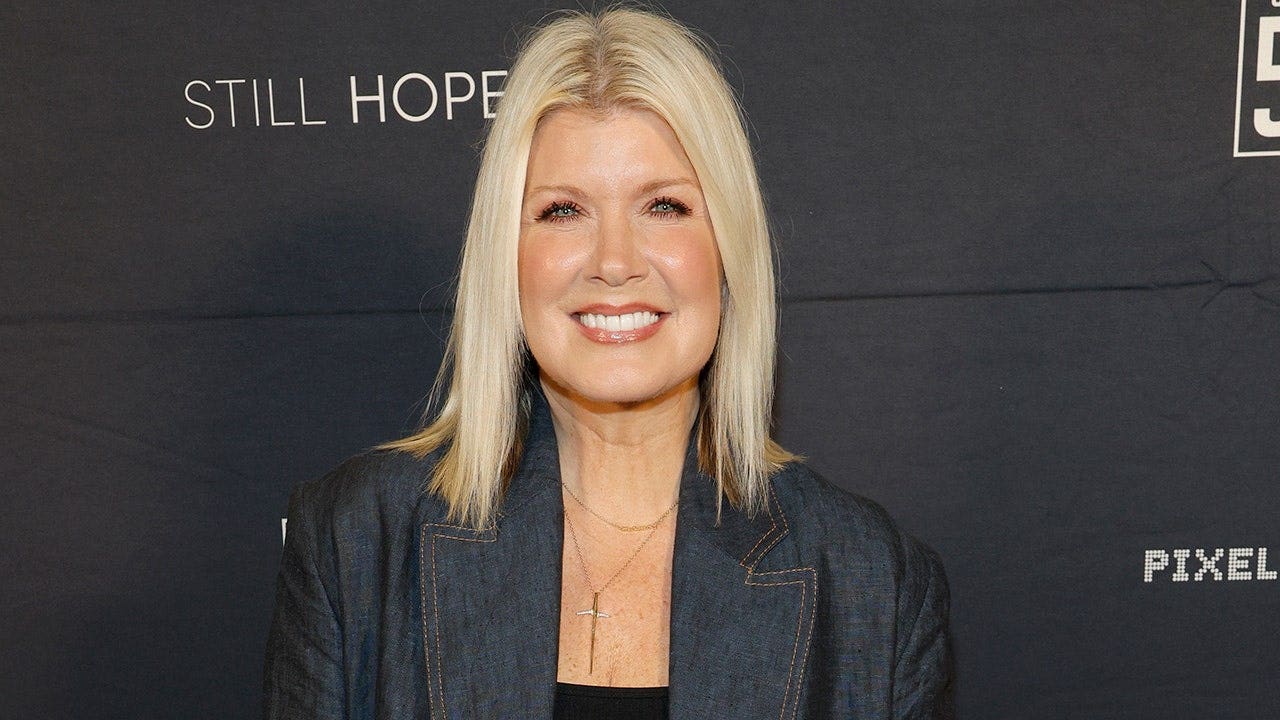


Demon Hunter’s musical style, described as emotionally intense heavy metal, contrasts sharply with the K-pop-inspired Netflix production. Despite this, the similarity in names has led to issues such as mistaken social media tags and misdirected professional inquiries. One instance involved a television producer contacting Demon Hunter’s management under the impression they were connected to the Kpop Demon Hunters project.
The band has a substantial presence in the metal community, with a discography spanning more than a dozen albums and a monthly Spotify listenership of approximately 350,000. In contrast, the cast members of the Netflix film boast a collective monthly audience exceeding 27 million on the platform, underscoring the scale of the Kpop Demon Hunters’ global popularity.
Netflix’s Kpop Demon Hunters debuted in 2025 as an animated film centered around a fictional K-pop girl group named Huntr/X. The film quickly became Netflix’s most-watched original title and garnered critical acclaim, winning Golden Globe and Academy Awards for Best Animated Film and Best Original Song. The success has spawned extensive merchandising and plans for a worldwide concert tour set for 2027, as well as a forthcoming sequel and potential spin-offs including a television series and stage musical.
Demon Hunter’s lawsuit stresses the potential damage to its brand identity, which the band contends has been carefully cultivated over decades. The legal documents assert that the recent developments with Netflix’s franchise have precipitated an "existential crisis" for the band’s trademark. Demon Hunter’s company officially registered the “Demon Hunter” trademark for recorded music and merchandise in 2022 and is pursuing trademark protection for live performances.
On the other side, Netflix has secured trademark registrations for "Kpop Demon Hunters" encompassing merchandise categories and has additional applications pending. This situation underscores the complexities that arise when distinct entertainment entities operate under similar or overlapping names, especially across different genres and markets.
The band is seeking a court injunction to halt the use of the Kpop Demon Hunters name in connection with recorded music, live events, and merchandise, alongside unspecified financial damages. The dispute highlights the challenges that established artists can face when new, high-profile entertainment properties emerge with potentially conflicting branding.
As of now, detailed responses from Netflix, Demon Hunter, and AEG Presents remain pending. The case will likely set a significant precedent for trademark conflicts involving music groups and multimedia franchises operating on global platforms.
This lawsuit brings to light the ongoing tensions in the entertainment industry where trademark rights intersect with rapidly expanding digital content and merchandise markets. It also reflects the importance for artists and companies alike to protect their intellectual property amid evolving cultural trends and media consumption patterns.
Full story & global impact
This article was synthesized and rewritten by MusicTop Editorial from reporting published by bbc.co.uk. Read the publisher's report for the complete source context.
Read original source: bbc.co.uk