Ariana Grande Slams Trump For Using Her Song In Anti-Trans TikTok: “Your Truth Is False”
Published August 20, 2026 · US

As Ariana Grande winds down her Eternal Sunshine Tour, she’s the latest pop icon to call out Trump for using her music. On Thursday, the Grammy winner commented on a TikTok video posted by the Trump campaign, which used Grande’s 2024 single “We Can’t Be Frien…
As Ariana Grande approaches the conclusion of her Eternal Sunshine Tour, she has become the latest prominent artist to challenge the use of her music by political entities without consent. The Grammy-winning singer actively protested the Trump campaign's recent TikTok video that incorporated her 2024 single, “We Can’t Be Friends (Wait for Your Love),” to promote anti-transgender messages.
According to information confirmed by Deadline, Grande’s record label is currently working to ensure the removal of the song from the controversial video. The clip featured former President Donald Trump walking onto a rally stage, accompanied by captions that juxtaposed song lyrics with statements targeting transgender rights. The captions included assertions such as “Men can’t have babies and should never compete in sports,” repurposing the song’s lyrical content to support the campaign’s messaging.
Related stories
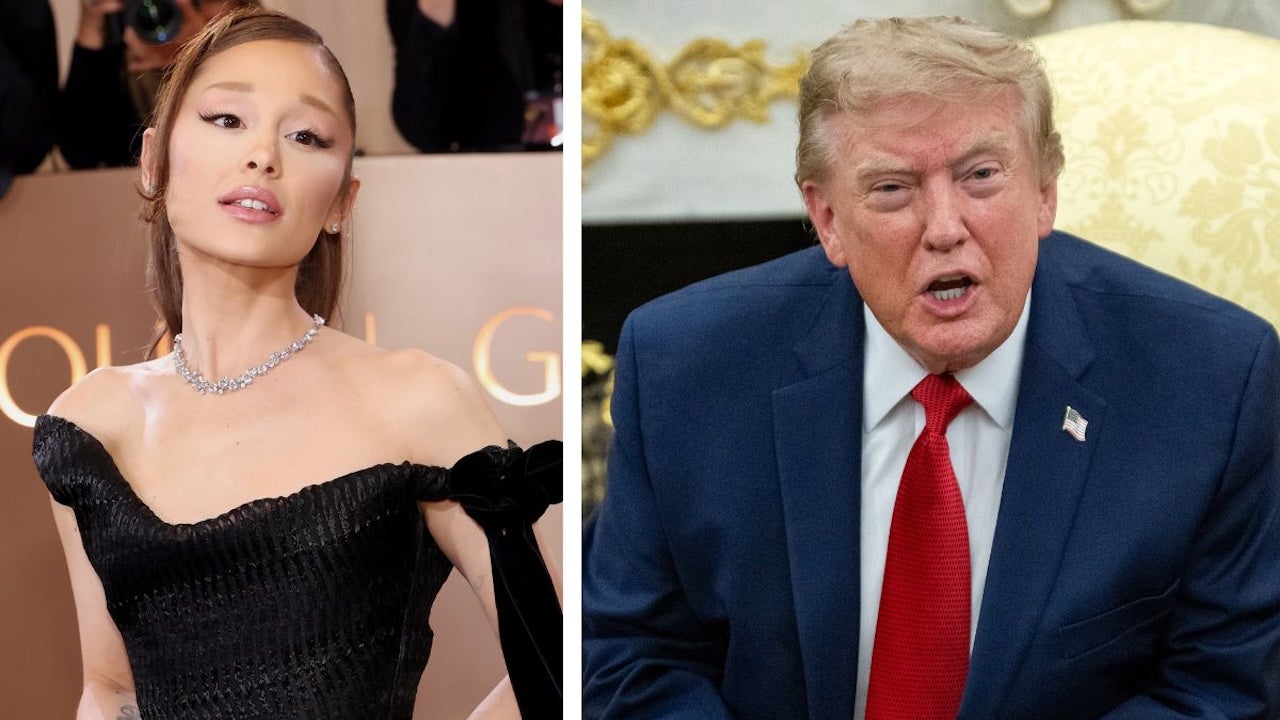

Grande emphatically distanced herself from the video’s content and use of her music, emphasizing in her response that the campaign’s narrative was inaccurate and that her work should not be leveraged to endorse harmful political views. This episode adds to a growing list of artists who have publicly confronted unauthorized political use of their music.
Earlier in the year, Grande criticized the White House for deploying another of her songs, “Bye,” in a video endorsing the Immigration and Customs Enforcement agency (ICE). Her recent objection to the Trump campaign’s TikTok continues her pattern of asserting control over the context in which her music is presented, particularly against politically charged or divisive uses.
The phenomenon of musicians objecting to political unauthorized use of their compositions has gained momentum in recent times. Artists spanning a wide range of genres—including Taylor Swift, Olivia Rodrigo, SZA, the Rolling Stones, and Neil Young—have all publicly taken issue with similar situations. These figures have collectively pushed back against political campaigns and organizations that use their creative works without permission or in ways that misalign with their personal beliefs.
The growing trend highlights broader debates around intellectual property rights and the ethical considerations of music in political communication. It raises questions about the responsibilities of political campaigns to seek consent and respect the artistic intent behind songs employed in their messaging.
Details remain limited on the specific legal or licensing actions being pursued by Grande’s team, but the public nature of her rebuke signals a firm stance against political exploitation of her artistry. As the 2024 election cycle intensifies, the intersection of music, politics, and social issues continues to evoke strong responses from artists who wish to maintain agency over their work.
While Ariana Grande's tour winds down, her assertiveness in safeguarding her music’s integrity underscores the evolving landscape where artists assert their voices not only through their performances but also in the defense of their creative rights amid political controversies.
Full story & global impact
This article was synthesized and rewritten by MusicTop Editorial from reporting published by deadline.com. Read the publisher's report for the complete source context.
Read original source: deadline.com