5 reasons I may not go back to Spotify after trying YouTube Music
Published August 25, 2026 · US
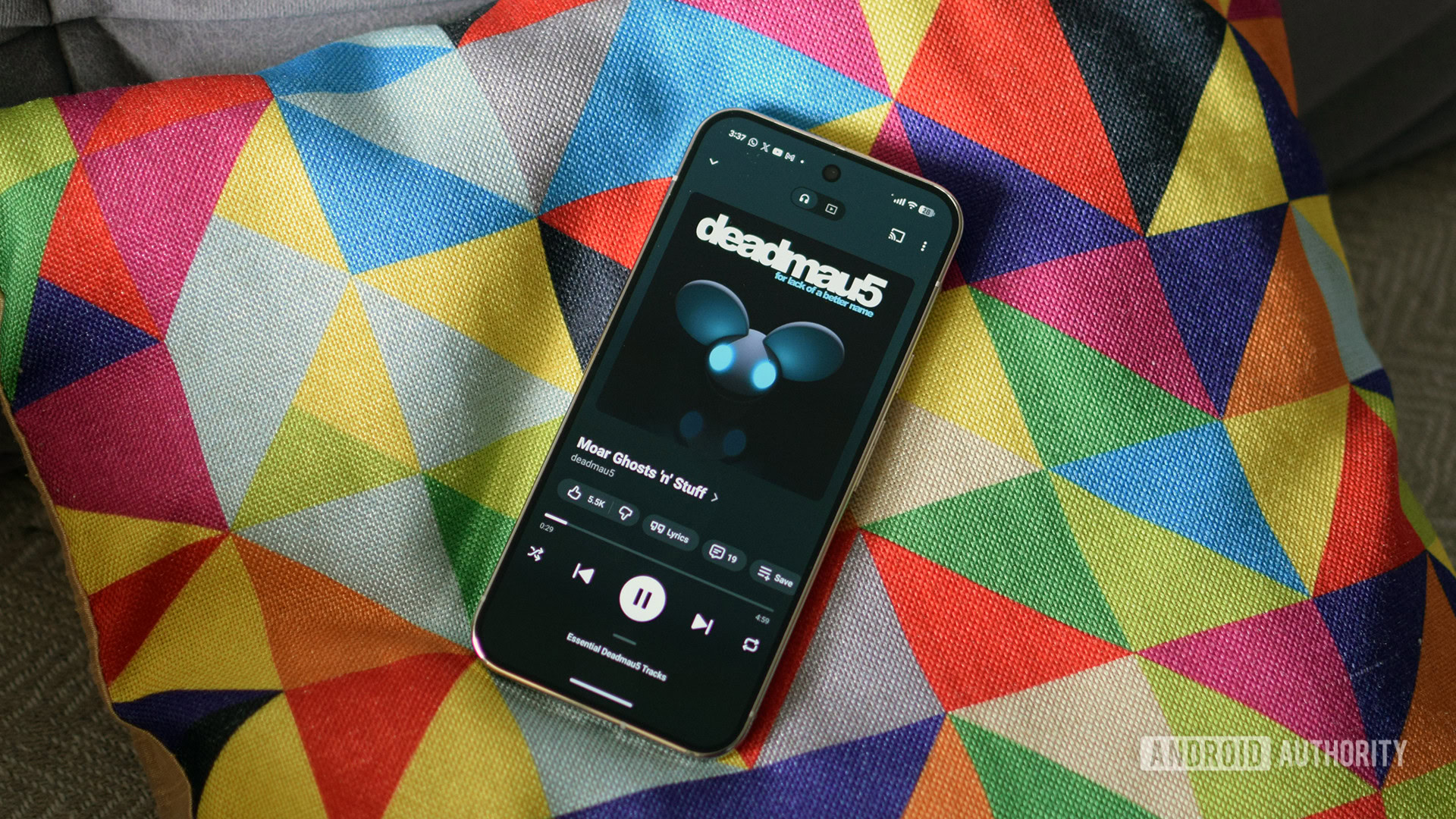
Spotify has treated me well over the years, until it didn't. One move forced me to switch to YouTube Music, and I may not go back.
Spotify has long been a dominant player in music streaming, attracting millions of subscribers with its ease of use and extensive library. However, recent changes in Spotify’s subscription offerings, particularly the removal of the Premium Duo plan in India, have prompted some loyal users to reconsider their options. Among them is a long-term subscriber who experienced unexpected cancellation of their Duo plan due to a supposed payment issue, despite no changes to their account. This disruption became a catalyst for exploring alternative streaming services, leading to the discovery of YouTube Music.
YouTube Music, often overshadowed by Spotify, has quietly evolved into a competitive platform with distinct advantages. One standout feature is its homepage design, which offers a convenient mood-based music filter. This enables listeners to tailor their playlists according to activities such as working out, commuting, or relaxing at home, providing a customized experience that feels intuitive and responsive.
Related stories

Another innovative aspect is the Samples tab, where users can preview brief clips of songs, making it easier to discover new tracks without committing to full listens. Additionally, the platform’s segmentation of music into categories like personal preferences, community favorites, and custom mixes helps maintain a fresh and engaging listening environment. The ability to share songs starting from a specific timestamp also adds a layer of personalization seldom seen on competitors.
For users who regularly consume YouTube videos, integrating YouTube Music with YouTube Premium proves particularly valuable. The bundled subscription offers ad-free access not only to music but also to all YouTube content, enhancing the overall media experience at a modest price increment. This combination is especially economical compared to Spotify’s pricing in several regions, including the US and India, where YouTube Music plans tend to be cheaper, with the Premium bundle adding only a small additional cost.
Video content is another domain where YouTube Music excels. Unlike Spotify, whose video integration is limited, YouTube Music allows users to watch full music videos, live performances, and unofficial mixes or mashups unavailable elsewhere. This feature encourages a deeper engagement with music beyond just audio, enabling rediscovery of iconic performances and rare content.
The platform’s compatibility with the Google ecosystem further enhances its appeal. Users with devices like the Google TV Streamer can cast both audio and video directly from YouTube Music, a capability Spotify currently lacks. This seamless integration offers a richer home entertainment experience for those invested in Google’s smart devices.
YouTube Music also fosters a unique community element by enabling comments on individual songs. This feature offers listeners a way to connect through shared experiences tied to music, revealing how certain tracks resonate emotionally across diverse audiences and time periods.
Despite these strengths, YouTube Music is not without its shortcomings. Notably, it does not support casting directly to popular smart speakers such as Amazon Echo and Sonos, which can be an inconvenience for users who rely on these devices for home audio. While Sonos users can access YouTube Music through the Sonos app, the interface is considered suboptimal. Moreover, some features that Spotify users appreciate, like the Jam collaborative playlist tool, are missing from YouTube Music.
Audio quality remains an area where Spotify maintains an edge, offering higher streaming quality. However, for everyday listening scenarios, such as driving or exercising, the difference is negligible for many users. The newcomer to YouTube Music finds its sound quality sufficient for casual enjoyment.
Lastly, podcast management and music segmentation within YouTube Music have room for improvement. These aspects have not yet reached the refinement level expected by users accustomed to Spotify’s offerings.
In conclusion, while the transition from Spotify to YouTube Music may initially stem from frustration with subscription changes, the latter’s unique features, competitive pricing, and integration with YouTube Premium present a compelling alternative. Whether this shift will be permanent remains uncertain, but the user's experience highlights a growing viability of YouTube Music as a standalone platform in a crowded streaming market.
Full story & global impact
This article was synthesized and rewritten by MusicTop Editorial from reporting published by androidauthority.com. Read the publisher's report for the complete source context.
Read original source: androidauthority.com