7 of Latin America's Unmissable Festivals
Published August 26, 2026 · US
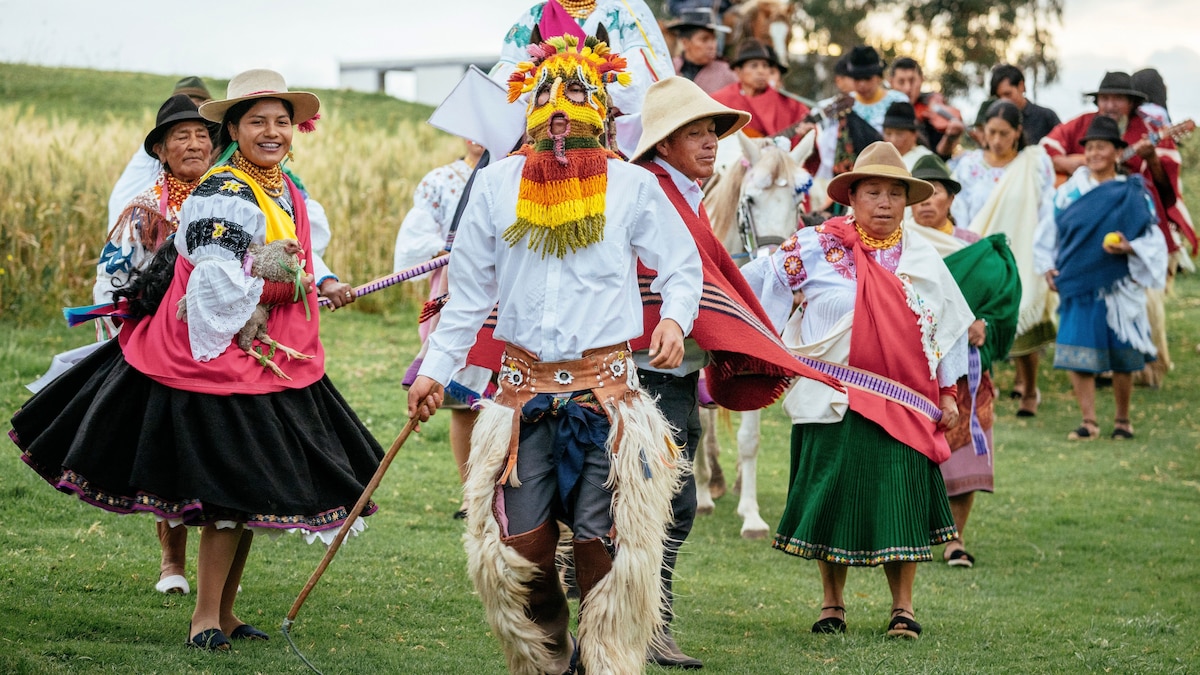
Music, dance and ancient traditions take centre stage at Latin America’s most spectacular festivals, offering an unforgettable insight into the region’s rich cultural heritage.
Latin America’s cultural tapestry comes alive through its festivals, where ancient customs and contemporary expressions merge in spectacular displays of music, dance, and ritual. Spanning from the Andes highlands to remote Pacific isles, these events offer profound insight into the region’s diverse heritage and communal spirit.
In Bolivia, the Oruro Carnival stands out as a breathtaking example of cultural fusion. Rooted in Indigenous Uru people’s pilgrimages to sacred mountain sites, it evolved through Spanish colonial influence into a three-day spectacle featuring the Diablada, or Dance of Devils. Thousands of performers don elaborate devil masks and costumes, parading through the city to honor the Virgen del Socavón, the miners’ patron saint. The carnival dramatizes the conquest of Peru and the triumph of Archangel Michael, transforming Oruro into a vibrant stage of folklore and faith.
Related stories

Elsewhere, Belize celebrates its deep connection to cacao with the Toledo Chocolate Festival in mid-May. This three-day event in Punta Gorda highlights the region’s Maya legacy, where cacao was once currency and integral to both sweet and savory cuisine. The festival’s Wine & Chocolate Gala and lively street fête showcase local chocolatiers and traditional foods, underscoring chocolate’s cultural significance beyond mere dessert.
Mexico’s Catemaco offers a distinct spiritual experience through the annual Noche de los Brujos each March. Known as the country’s witchcraft capital, Catemaco blends Indigenous paganism and Catholicism, creating a unique mystical tradition. During the festival, shamans and witches convene on Cerro Mono Blanco, inviting visitors to participate in cleansing rituals, tarot readings, and the purchase of magical amulets and potions, reflecting a living heritage of folk spirituality.
Peru’s Puno hosts the Fiesta de la Candelaria each February, a dynamic celebration that honors both Catholic and Andean deities like Pachamama. Over nearly two weeks, hundreds of dance troupes don vivid costumes and masks, performing alongside brass bands and traditional instruments. The festival transforms Puno into a kaleidoscope of sound and color, blending religious devotion with folkloric display.
June brings the Inti Raymi festival to Cusco, Peru’s ancient Inca capital, reviving the Festival of the Sun to mark the winter solstice. Indigenous communities gather in ceremonial procession, dressed in intricate traditional attire for events at the Coricancha temple and the Sacsayhuamán fortress. The ritual includes speeches in Quechua, coca-leaf divination, and symbolic llama sacrifice, offering a powerful reenactment of pre-colonial rites under the shadow of the Andes.
On the remote Easter Island, the Tapati Rapa Nui festival celebrates Polynesian heritage in February with a week of spirited competitions and cultural exhibitions. Clan members engage in traditional sports such as canoe racing and the daring haka pei hill sledding, before nightly festivities filled with music and dance culminate in a vibrant closing ceremony. This event highlights a distinct island identity shaped by Polynesian history rather than mainland Latin American influences.
Finally, Brazil’s Salvador city honors Afro-Brazilian culture every February 2 with a Candomblé religious ceremony on Rio Vermelho beach. Devotees dressed in blue and white offer flowers to Iemanjá, the sea goddess, through ritual boat offerings at sunrise. The event is accompanied by samba music, traditional food, and all-night celebrations that affirm Candomblé’s enduring role in the cultural and spiritual life of Bahia.
Together, these festivals reflect Latin America’s complex cultural landscapes, where Indigenous heritage, colonial histories, and African influences converge. They serve not only as moments of communal identity and spiritual expression, but also as dynamic encounters for visitors seeking authentic engagement with the region’s living traditions. According to nationalgeographic.com, these events stand among the continent’s most unmissable, providing both spectacle and profound cultural insight.
Full story & global impact
This article was synthesized and rewritten by MusicTop Editorial from reporting published by nationalgeographic.com. Read the publisher's report for the complete source context.
Read original source: nationalgeographic.com