Charley Crockett Thinks Jack White Missed the Point
Published August 26, 2026 · US
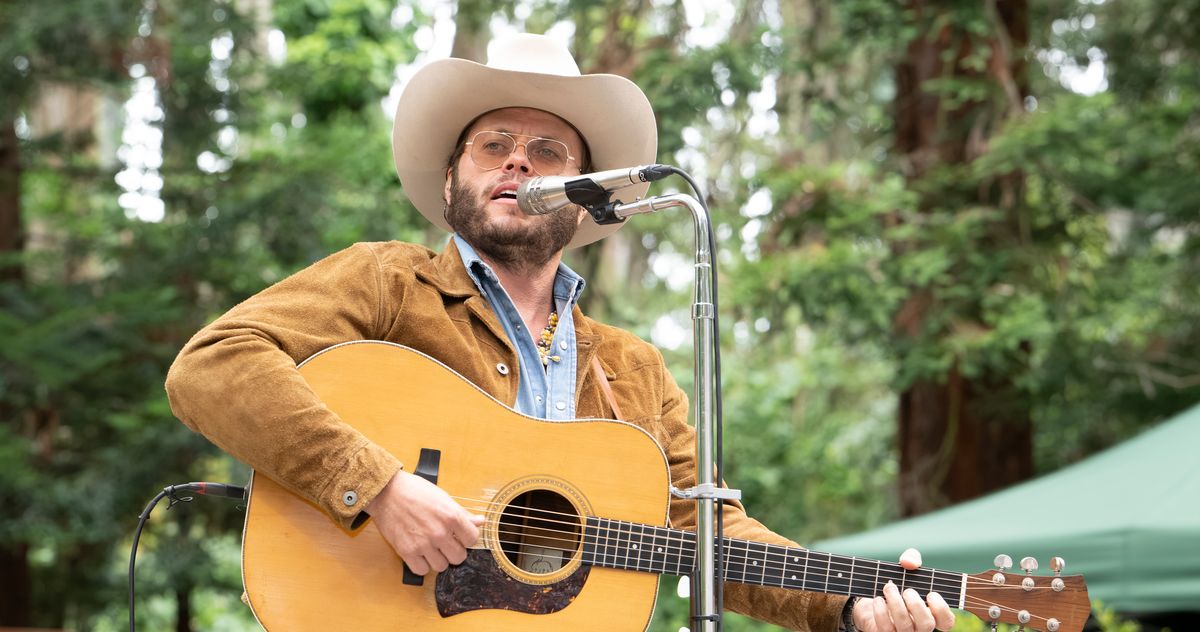
Country singer-songwriter Charley Crockett says Jack White and liberal fans maligned him over a misunderstanding of his politics.
Texas-based country artist Charley Crockett, known for his prolific output and soulful storytelling, recently faced a public dispute involving the Los Angeles duo Twin Temple, a group whose stage persona heavily incorporates Satanic imagery. The controversy unfolded when Twin Temple announced via Instagram that Crockett had removed them from two tour dates, attributing the decision to objections over their symbolic aesthetics.
Shortly after, Jack White stepped into the fray by inviting Twin Temple to open one of his September shows, escalating the situation and drawing widespread media attention. This intervention sparked a wave of speculation and memes online, casting Crockett as a conservative figure at odds with the progressive leanings commonly associated with White’s fanbase and the wider music community.
Related stories


Contrary to these assumptions, Crockett, who has previously voiced criticism of figures like Peter Thiel and Elon Musk, sought to clarify the circumstances behind the cancellation. In a now-deleted social media post, he disputed the claim that his decision was motivated by religious bias or censorship, emphasizing that the concerns were primarily logistical and related to the nature of Twin Temple’s performance.
Crockett explained that the duo’s elaborate stage production, including large inverted crosses and graphic theatrical elements such as fake blood and staged sacrifices, posed challenges for his tour setup and raised issues regarding suitability for his diverse and often family-oriented audiences. He underscored that his shows feature a wide demographic, including young children, and that accommodating such intense and explicit imagery conflicted with the atmosphere he aims to cultivate.
Further complicating the narrative, Crockett noted that the decision to remove Twin Temple was influenced by multiple factors, including persistent requests from the band’s former agent and concerns raised by his production team. He took responsibility for not addressing these issues earlier in the planning stages but maintained that the choice was made with consideration for his audience’s comfort.
The backlash following these developments included accusations labeling Crockett as intolerant or politically conservative, which he strongly refuted given his history of outspoken commentary against certain right-wing figures. He expressed disappointment at what he perceived as premature judgments and misrepresentations, especially from individuals within his circle who misunderstood his stance.
Jack White’s response to the controversy involved a pointed remark referencing a novelty rap song that alluded to Crockett’s background, further fueling tensions between the two artists. Crockett interpreted White’s public commentary as an opportunistic move driven by the pressures of maintaining relevance and ticket sales amidst a competitive music landscape.
Despite the personal friction, Crockett remained confident that his true character and artistic integrity would become evident over time. He highlighted his commitment to storytelling through music, drawing inspiration from traditional folk narratives and outlaw country themes, which have shaped his extensive discography of 17 albums since 2015.
This episode illustrates the complex intersection of artistic expression, audience expectations, and public perception in today’s music industry. As country music gains broader attention via social media and evolving cultural tastes, controversies like this reveal the challenges artists face in balancing creative freedom with diverse fanbase sensitivities.
While details about future collaborations or reconciliations between the parties remain limited, Crockett’s reflections provide insight into the nuanced considerations that inform touring decisions and the broader discourse surrounding identity and representation in contemporary country music.
Full story & global impact
This article was synthesized and rewritten by MusicTop Editorial from reporting published by vulture.com. Read the publisher's report for the complete source context.
Read original source: vulture.com