Bob Dylan and other legends coining it on the basis this might be their last tour
Published August 28, 2026 · US
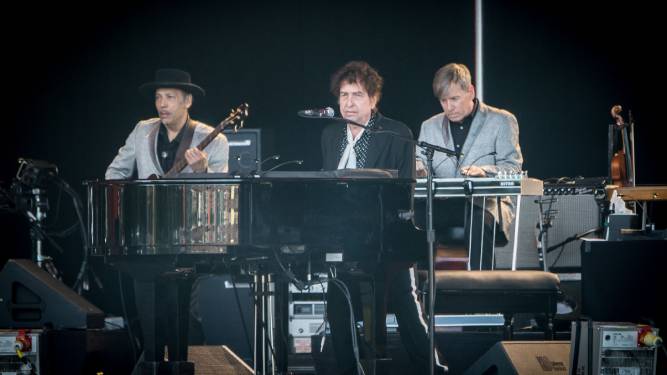
TICKETS to see Bob Dylan have been dynamically priced in correlation with his life expectancy. These musicians also use the spectre of their imminent loss to jack up the price.
As some of rock and roll’s most iconic figures continue to tour well into their 70s and 80s, a distinct trend has emerged in the live music industry: dynamic pricing of concert tickets closely tied to the artists' advancing ages and the growing perception that these tours may be their last. This development reflects both the enduring appeal of legendary performers and a marketplace responding to fans’ urgency to witness what might be their final opportunities to see these musicians live.
Bob Dylan, whose career spans over six decades, exemplifies this phenomenon. Despite the ambiguity surrounding his live vocal performances, Dylan’s devoted audience remains willing to pay premium prices to hear his classic repertoire. The pricing strategies for his concerts reportedly fluctuate in alignment with projections of his life expectancy, effectively turning the value of his legacy into a tangible market force.
The Rolling Stones—featuring Mick Jagger, Keith Richards, and Ronnie Wood—also illustrate the persistent demand for veteran acts. Though each member has reached an age where health concerns become a practical consideration, their ability to fill stadiums has not waned. Their continued global touring schedule underscores not only their stamina but the sustained enthusiasm of fans eager to experience the band’s legendary catalog live.
Similarly, Neil Young maintains a dedicated fanbase, even as his ticket pricing has been noted for its high cost relative to venue seating. Young’s commitment to performing live, despite the availability of his recordings on streaming platforms and occasional removals thereof, signals the ongoing significance of concerts as a primary mode of engagement with long-standing audiences.
Bruce Springsteen, affectionately known as "The Boss," remains active on tour with extensive performances lasting several hours. His audiences, often spanning multiple generations, appear motivated by both nostalgia and the possibility that each tour may represent the twilight of his live career. This perception has translated into heightened willingness among fans to invest substantially in experiencing his music in person.
Paul McCartney, as the last surviving member of The Beatles still regularly touring, attracts considerable attention. Concertgoers frequently accept premium pricing to hear songs that predate their own lifetimes, driven by the cultural and historical importance of hearing such material performed live. McCartney’s tours also benefit from his personable stage presence, which adds to the overall appeal for attendees.
Eric Clapton, whose career is marked by both musical innovation and controversy, continues to draw audiences despite his advanced age. His live shows offer fans a chance to witness renditions of classic hits alongside candid moments that reflect his complex public persona.
Other veteran performers in this echelon have similarly navigated the challenges of aging while maintaining active touring schedules. These artists often face health-related interruptions but persist in delivering performances that blend the vitality of youth with the gravitas of experience.
The ticketing landscape’s shift toward dynamic pricing based on artists’ ages and perceived finality of tours underscores a broader cultural dynamic: the commodification of legacy and mortality within the entertainment industry. For fans, the opportunity to attend these concerts carries both emotional and historical weight, often prompting substantial financial commitments.
While the motivations behind these pricing strategies may be multifaceted—including supply and demand factors, production costs, and market positioning—the correlation between an artist’s age and ticket value is increasingly apparent. This trend highlights how the live music sector adapts to the unique circumstances of aging icons, balancing reverence for their contributions with commercial realities.
Details remain limited regarding the exact algorithms or criteria used to adjust ticket prices dynamically in relation to artist life expectancy. Nonetheless, the observable pattern suggests an industry keenly attuned to the intersecting influences of mortality, legacy, and fan loyalty in shaping concert economics.
In summary, the current touring activity of renowned musicians such as Bob Dylan, The Rolling Stones, Neil Young, Bruce Springsteen, Paul McCartney, and Eric Clapton represents more than just ongoing artistic output. It reflects a marketplace that increasingly factors in the finite nature of these performers’ careers, translating that awareness into pricing strategies that capitalize on fans’ desire to secure once-in-a-lifetime experiences.
Full story & global impact
This article was synthesized and rewritten by MusicTop Editorial from reporting published by thedailymash.co.uk. Read the publisher's report for the complete source context.
Read original source: thedailymash.co.uk