Olivia Rodrigo’s Daisy Chain Fields will recreate the impact, power and joy of Lilith Fair
Published August 28, 2026 · US
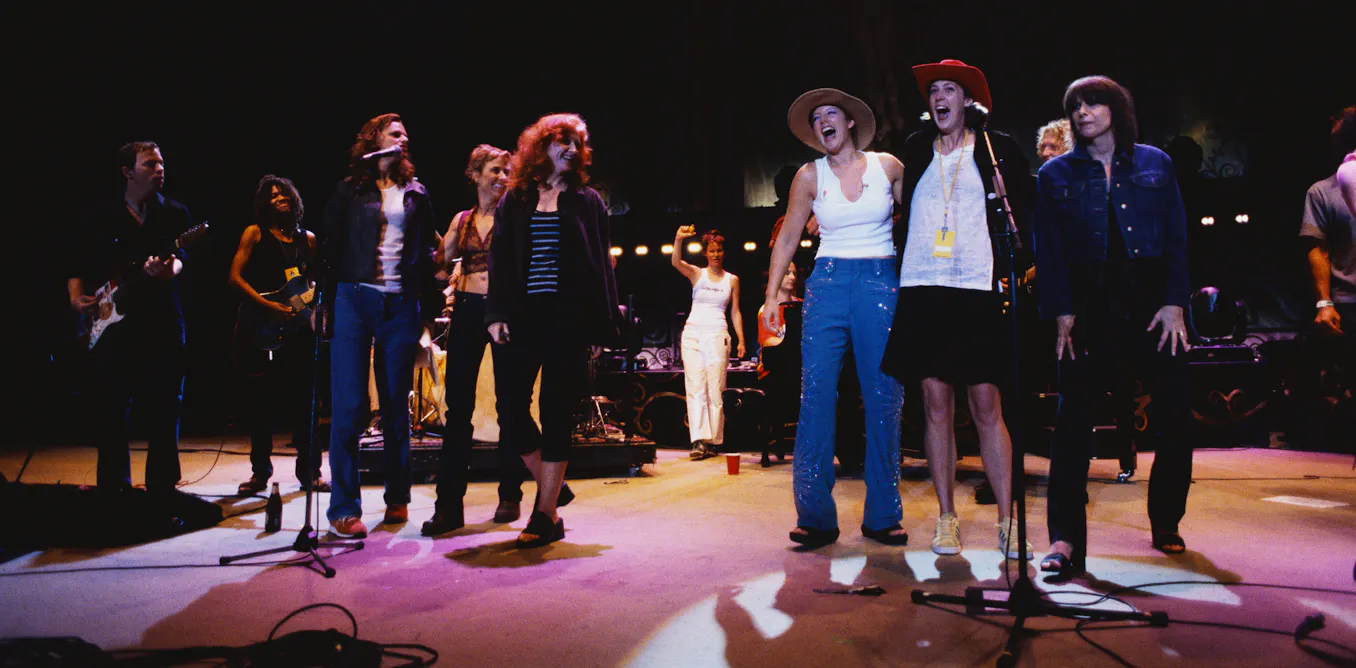
Like Lilith Fair before it, Daisy Chain Festival is about more than supporting gender equity.
This weekend, Olivia Rodrigo will host Daisy Chain Fields, a music festival in California that exclusively features women and gender diverse performers. The event draws heavily from the legacy of Lilith Fair, a groundbreaking 1990s North American festival that showcased female musicians and challenged the male-dominated music industry.
Lilith Fair, active from 1997 to 1999, was a pioneering concert tour championing gender equity in music. Founded by Sarah McLachlan, it provided a platform for approximately 300 female artists over three years, attracting audiences exceeding 1.5 million. The festival’s ethos combined inclusive curation with philanthropic efforts, donating over $10 million to women’s charities. These efforts were revolutionary in an industry and era where women struggled for equal recognition, airplay, and performance opportunities.
Related stories

Daisy Chain Fields embraces this heritage by programming an all-female and gender diverse lineup, including globally recognized names such as Doja Cat, Stevie Nicks, Karen O, The Breeders, Bikini Kill, and others alongside Rodrigo herself. The festival’s name and symbol—the daisy chain—evoke themes of unity and strength formed through connection, reflecting both the communal spirit of the original Lilith Fair and the contemporary urgency around women’s rights.
Beyond musical celebration, Daisy Chain Fields channels festival proceeds toward causes supporting reproductive rights, infant care, and domestic workers. This philanthropic focus continues Lilith Fair’s tradition of linking commercial music events with social advocacy, using cultural platforms to advance gender equity not only in music but in society at large.
The original Lilith Fair was notable not only for its roster but also for its atmosphere of collaboration and solidarity among artists. Surprise joint performances and genre-spanning acts challenged the norms of competition and exclusivity, fostering a sense of collective empowerment. Daisy Chain Fields seeks to recreate this dynamic, emphasizing joy, inclusivity, and shared purpose among performers and audiences.
Despite progress, the music industry remains skewed toward male dominance, especially in technical roles and festival lineups. Research highlights persistent barriers related to sexism, ageism, racism, and homophobia faced by women and gender diverse musicians. Initiatives like Daisy Chain Fields and Lilith Fair confront these systemic issues by asserting control over programming and promoting visibility for marginalized groups.
Ticket demand for Daisy Chain Fields was immediate and intense, selling out within 30 minutes of release. This response underscores a continued appetite for spaces that prioritize diverse voices and challenge industry norms. The festival also serves as a counterpoint to the decline of some national music festivals, demonstrating the viability and cultural importance of events centered on gender equity.
Both Lilith Fair and Daisy Chain Fields illustrate how music festivals can transcend entertainment to become agents of social change. They set benchmarks for safety, inclusivity, and representation, reinforcing the right of women and gender diverse individuals to occupy and shape public cultural spaces. Their ongoing influence signals the enduring power of collective artistic expression as a force for equality and community.
While details about Daisy Chain Fields remain somewhat limited, its conception and execution reaffirm the role of music festivals in advocating for broader societal issues. This alignment of artistry and activism continues to inspire new generations, ensuring that the spirit of Lilith Fair lives on through contemporary movements like Rodrigo’s Daisy Chain Fields.
Full story & global impact
This article was synthesized and rewritten by MusicTop Editorial from reporting published by theconversation.com. Read the publisher's report for the complete source context.
Read original source: theconversation.com