The Guru, the Mystic, and the Rock Opera Behind The Who's "Baba O'Riley"
Published August 28, 2026 · US
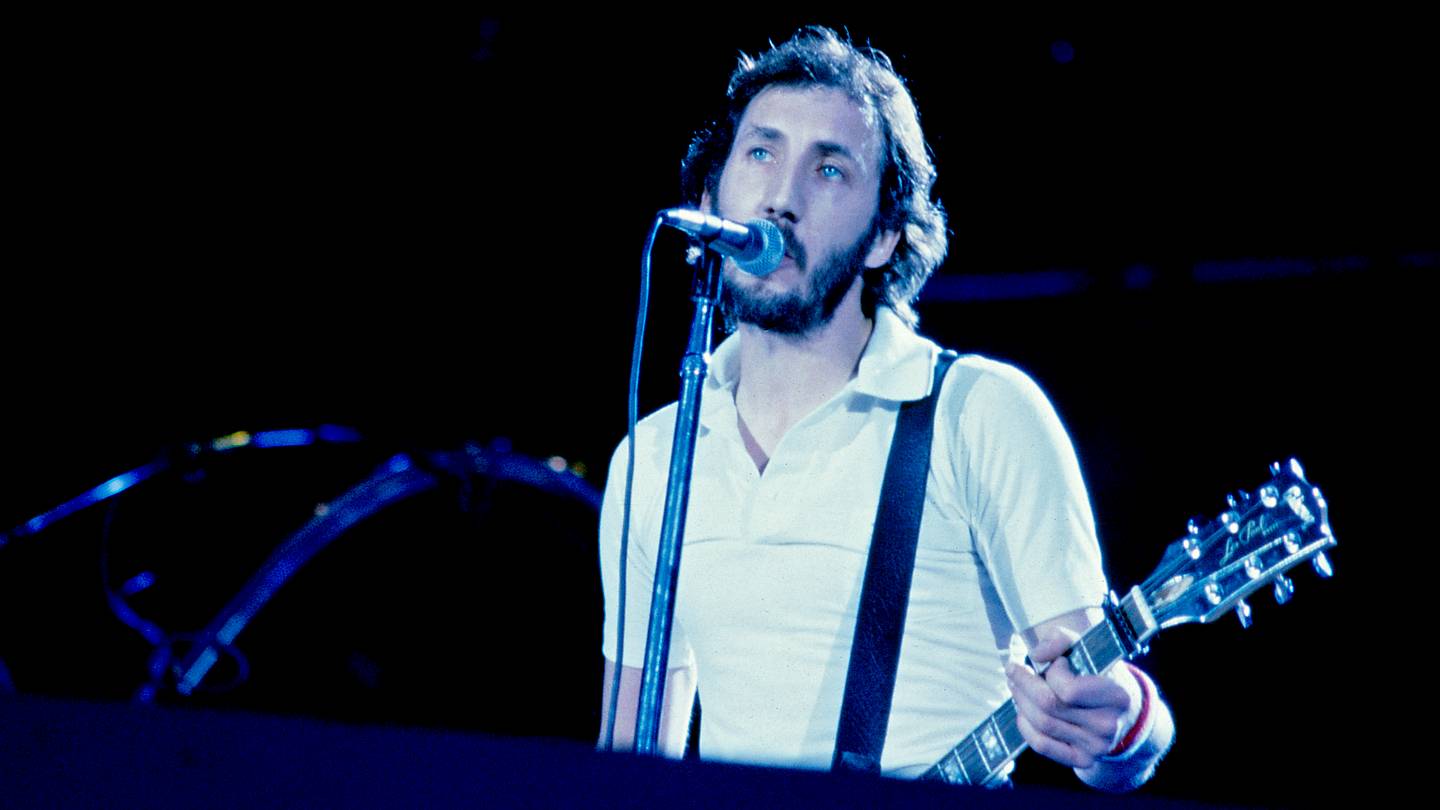
Pete Townshend based the opening riff in "Baba O'Riley" on his guru. The song was originally intended for a futuristic sci-fi rock opera called 'Lifehouse,' which was inspired by Sufi mysticism and the idea that music could save the world.
The iconic opening riff of The Who’s “Baba O’Riley” stands as one of rock music’s most recognizable melodies, yet its origins reveal a layered narrative combining spirituality and futuristic vision. Conceived by Pete Townshend, the song’s genesis lies not merely in a catchy tune but in an ambitious concept linked to his spiritual influences and an unrealized rock opera project.
Townshend’s inspiration for the song’s signature synthesizer pattern came from his devotion to Meher Baba, an Indian spiritual teacher who claimed to be a divine incarnation and who observed a vow of silence from 1925 until his death in 1969. This guru’s teachings deeply affected Townshend, who encountered Baba’s ideas during the development of The Who’s earlier rock opera, Tommy. That album, portraying a boy who overcomes trauma to become a messianic figure, reflected themes of awakening and transcendence resonant with Baba’s philosophies.
Related stories

Following Tommy’s success, Townshend embarked on a more expansive project titled Lifehouse. This concept envisioned a dystopian future where humanity survives ecological collapse by living in isolated pods, engrossed in government-controlled digital entertainments. In this narrative, rock music was outlawed for its power to awaken and unite people, culminating in a clandestine music festival that would liberate society through a transcendent experience.
The Lifehouse storyline revolved around a character named Bobby, a composer who discovers a way to connect the isolated populace through music. By translating their personal data into a unifying musical composition, Bobby aims to create a “universal chord” capable of healing and awakening humanity. This idea drew inspiration from Sufi mysticism, particularly the teachings of Hazrat Inayat Khan, who emphasized music’s divine and transformative potential.
Musically, the Lifehouse concept led Townshend to experiment with technology and repetition, influenced by avant-garde composer Terry Riley’s use of looping patterns. The fusion of Meher Baba’s spiritual influence and Riley’s minimalist techniques birthed the title “Baba O’Riley,” symbolizing this blend. Townshend employed a Lowrey organ to generate the repetitive synthesizer motif that opens the track, aiming to reflect both the guru’s essence and the futuristic themes of Lifehouse.
Originally, “Baba O’Riley” was intended to introduce characters Ray and Sally, living outside the digital control of a dystopian government, who search for their daughter Mary, already en route to the liberating festival. The song’s narrative encapsulated the chaos and disillusionment of youth, reflecting Townshend’s observations of festival audiences who often appeared lost amid drug use and societal upheaval. This atmosphere contributed to the evocative phrase “teenage wasteland,” commonly associated with the song despite it not being its official title.
Despite Townshend’s enthusiasm, the Lifehouse project proved difficult for the band and collaborators to grasp, leading to its eventual abandonment. However, several tracks written for Lifehouse, including “Baba O’Riley,” were repurposed for The Who’s 1971 album Who’s Next. Townshend regarded this album as a distillation of his ideas, appreciating its straightforwardness despite the loss of the original narrative framework.
Over the decades, the enduring popularity of “Baba O’Riley” has transcended its complex backstory, becoming an anthem of youthful defiance and resilience. The song has found new life through its use in films and cultural moments, while Townshend has revisited Lifehouse through various releases of demos and adaptations, including a BBC radio drama.
The track’s thematic core remains relevant, addressing concerns about environmental degradation, technological overreach, and the potential for music to offer salvation. Roger Daltrey, The Who’s lead vocalist, has highlighted the song’s message as a caution against passive consumption of technology and a call to seek deeper connection through shared experience.
While the full Lifehouse vision never materialized as intended, “Baba O’Riley” encapsulates the intersection of spiritual inquiry and technological experimentation that defined Townshend’s creative ambitions during a pivotal era. It stands as both a testament to The Who’s artistic innovation and a reminder of music’s enduring power to reflect and influence societal transformation.
Full story & global impact
This article was synthesized and rewritten by MusicTop Editorial from reporting published by mentalfloss.com. Read the publisher's report for the complete source context.
Read original source: mentalfloss.com