Here's how far fans traveled — and what they spent — for Harry Styles' New York City residency
Published September 1, 2026 · US
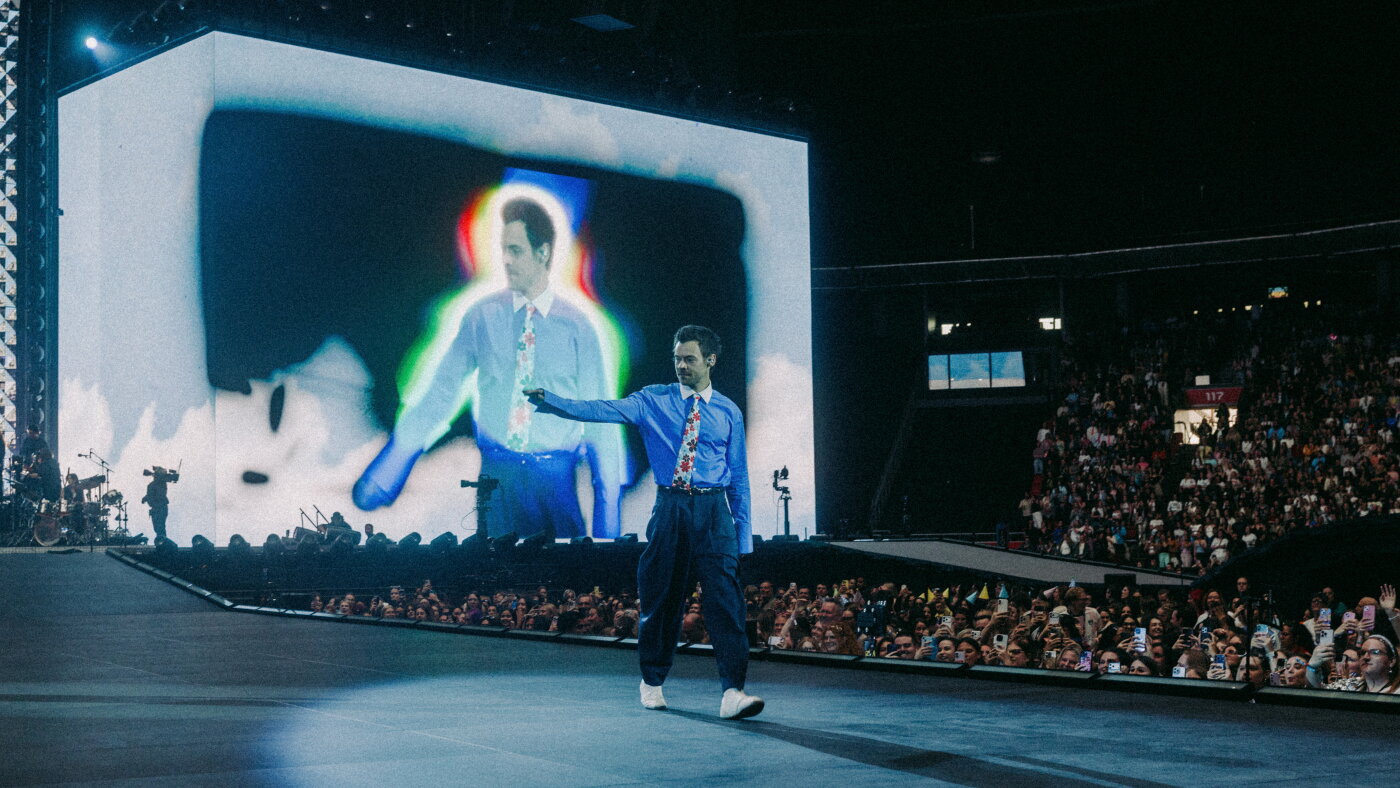
At a time when both touring costs and concert ticket prices keep climbing, Harry Styles' decision to play a 30-night residency at Madison Square Garden has been met with mixed reactions. NPR talked to fans outside the venue about what it took to attend the re…
Harry Styles' 30-night residency at New York City's Madison Square Garden has drawn considerable attention, not only for the artist’s extended engagement but also for the implications it reveals about contemporary concert-going trends. This residency comes during a period when the financial demands associated with live music—both from the perspective of promoters and attendees—are intensifying. Fans’ experiences and expenditures offer insight into the evolving dynamics of touring and ticketing.
Styles’ decision to anchor his performances in a single iconic venue contrasts with the traditional model of nationwide tours. This approach allows for multiple shows in one city, attracting a dedicated local and traveling audience. However, it also raises questions about accessibility and affordability at a time when ticket prices across the industry are escalating.
Related stories

Outside Madison Square Garden, fans’ accounts collected by npr.org illustrate a picture of substantial personal investment. Attendees have journeyed from various parts of the country, underscoring the drawing power of Styles’ residency but also highlighting the lengths enthusiasts are willing to go to secure a seat. The logistical commitments range from arranging travel and accommodation to navigating a competitive ticket market.
Financially, the costs incurred by fans extend beyond ticket face values, which themselves have climbed in response to increased demand and the general rise in concert pricing. Ancillary expenses such as lodging, transportation, and dining contribute to the overall economic burden. For some, this combination of costs represents a significant outlay, reflecting broader industry trends where concert attendance is becoming a more exclusive experience.
The residency format also impacts the distribution and availability of tickets. With multiple nights concentrated in one venue, the potential exists for a more streamlined event schedule but also for intensified competition among fans for limited seats. This dynamic plays into pricing strategies and resale markets, factors that shape the actual cost and accessibility of live music today.
From a broader perspective, Styles’ New York residency serves as a case study in how top-tier artists and venues are adapting to a climate of rising operational expenses and shifting consumer expectations. It illustrates a balancing act between creating memorable concert experiences and managing the economic realities faced by fans.
While the appeal of attending multiple shows in a single location may offer a unique cultural moment, it simultaneously puts a spotlight on the evolving economics of music touring. As costs continue to rise, both artists and audiences confront new challenges regarding how live performances are produced and consumed.
Details about the full scope of fan expenditures and the residency’s financial structure remain limited. However, the available insights from attendees around Madison Square Garden suggest that this residency exemplifies a broader trend in the live music industry: an increasing willingness among fans to invest significant resources in order to participate in high-profile concert events.
As the live music landscape continues to evolve, the experiences surrounding Harry Styles’ residency in New York City provide a valuable reflection on the current state and future direction of concert touring and fan engagement.
Full story & global impact
This article was synthesized and rewritten by MusicTop Editorial from reporting published by npr.org. Read the publisher's report for the complete source context.
Read original source: npr.org