Brazil Institutes "Taylor Swift Law" for Concerts, Ticket Sales Following Fan's Death at Eras Tour
Published September 2, 2026 · US
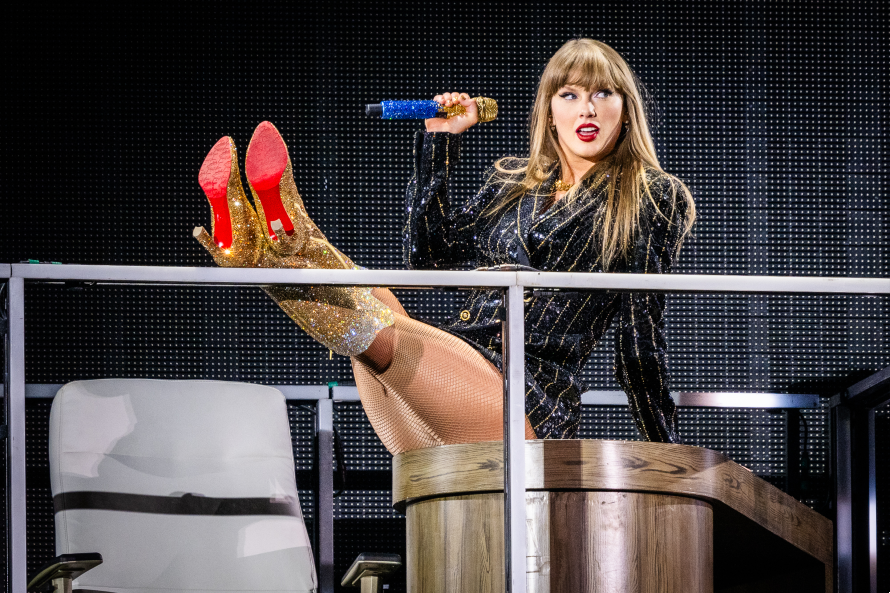
Come to Brazil remains an evergreen pop culture meme, and now the country that inspired it has done a service for both tourists and local
In a decisive move to improve live concert experiences and address safety concerns, Brazil has implemented new nationwide regulations dubbed the "Taylor Swift Law." These measures arose in response to a tragic incident during Taylor Swift's Eras Tour, when a 23-year-old fan succumbed to extreme heat exhaustion at a Rio de Janeiro venue in November 2023.
The fatality occurred amid dangerously high temperatures, prompting scrutiny over event safety protocols. Ana Clara Benevides Machado reportedly collapsed before Swift's performance, suffering cardiorespiratory arrest linked to heat exposure. The incident sparked calls for accountability and led to an investigation into whether venue policies prohibited attendees from bringing water, exacerbating the risk.
Related stories
‘O Projeto’ Directors on Walter Salles’ Support and Screening Poetic Doc About Colonialism Ahead of ‘Dramatic’ Brazilian Elections That Offer a ‘Choice Between Good and Evil’
President Luiz Inácio Lula da Silva acted on these concerns by signing two decrees on August 31, 2024, setting forth new standards for concerts and large-scale events across Brazil. The first decree mandates that all events with capacities exceeding 1,000 must provide free access to drinking water. It also allows attendees to bring their own water containers, directly addressing hydration challenges highlighted by the tragedy.
Complementing this, the second decree targets ticket sales and resale practices. In line with consumer protection trends seen in North America and the UK, Brazilian authorities now require ticket platforms to disclose all costs transparently upfront, eliminating hidden fees. Additionally, official ticket transfer options must be offered without additional charges. To better manage demand, presale registrations and virtual queues will become compulsory for high-profile events.
These legislative changes reflect years of advocacy by organized fan communities. Representatives from groups supporting major global artists, including Taylor Swift, BTS, Lady Gaga, and Harry Styles, attended the decree signing in Brazil's capital, underscoring the growing influence of fandoms in promoting safer concert environments.
Taylor Swift herself demonstrated concern during her Rio performance by requesting staff to distribute water to the crowd. Due to the extreme weather conditions and ensuing safety risks, she postponed the following day's show, highlighting the severity of the situation.
While the full scope of enforcement mechanisms and long-term outcomes remains to be seen, this regulatory development marks a significant evolution in Brazil’s approach to large-scale entertainment events. It balances concertgoer welfare with fair ticketing practices, aiming to prevent the recurrence of incidents like the one that catalyzed this shift.
The "Taylor Swift Law" represents a meaningful intersection of pop culture influence and public policy, illustrating how fan mobilization and tragic events can drive legislative change. As Brazil joins other countries in refining concert safety and sales protocols, this framework could serve as a model for future regulations worldwide.
Details on the implementation timeline and monitoring processes are still emerging, but the Brazilian government's proactive stance signals a commitment to protecting audiences and enhancing transparency in the live music industry.
Full story & global impact
This article was synthesized and rewritten by MusicTop Editorial from reporting published by exclaim.ca. Read the publisher's report for the complete source context.
Read original source: exclaim.ca