Stella Lefty Accused of Copying Another Song, This Time From Blake Shelton
Published September 4, 2026 · US

This is the third song from the 24-year-old’s debut album facing allegations of plagiarism. Stella Lefty Accused of Copying Another Song, This Time From Blake Shelton Karan Singh
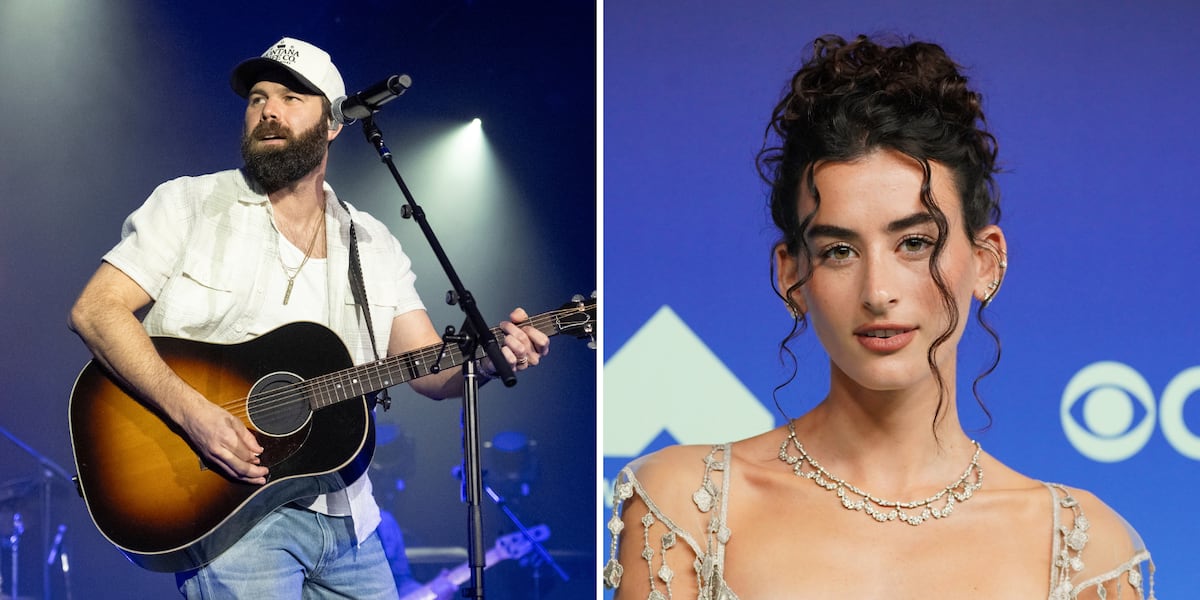
Stella Lefty, a rising singer-songwriter who released her debut album Long Way Home in August 2023, is once more at the center of plagiarism allegations. This time, social media users and listeners have highlighted notable resemblances between her song "Why Wouldn’t We" and Blake Shelton’s 2017 hit "I’ll Name the Dogs."
The controversy centers on both the lyrical themes and melodic aspects of the two songs. Shelton’s track, co-written by Matt Dragstrem, Ben Hayslip, and Josh Thompson, explores a couple dividing future household and life responsibilities, such as hanging pictures, fishing, and naming children. Similarly, Lefty’s "Why Wouldn’t We" describes a hypothetical shared life where chores, driving, and entertainment choices are split. Observers have pointed out that the choruses of both songs bear a resemblance, sparking questions about originality.
Related stories
 Music Industry Moves: Mary J. Blige Sells Music Catalogs to Primary Wave; Stella Lefty Signs With Make Wake for Management; Boyz II Men Ink With Warner Records Nashville
 Jordan Davis, Stella Lefty named final Country Thunder 2027 headliners
Miley, J Balvin, Stella Lefty Tapped for ‘Nobody Wants This’ Season 3 Soundtrack
Notably, the writers credited on Shelton’s award-winning 2017 song are absent from Lefty’s credits on "Why Wouldn’t We," where the songwriting is attributed to Lefty herself alongside Emily Weisband, Grady Block, and Steph Jones. As of now, no official response has been issued by either Lefty’s camp, Shelton’s team, or the credited songwriters regarding these parallels.
Related music video
Selected for this story · Published within the last two years
This incident adds to a growing list of intellectual property disputes surrounding the 24-year-old artist. Earlier controversies include her debut single "Boston," which was compared extensively to Noah Kahan’s "Stick Season." The similarity was eventually recognized through a songwriting credit for Kahan, after which Lefty maintained that any likeness was inadvertent and unplanned. Videos emerged showing Lefty covering "Stick Season" prior to her song’s release, which further fueled discussion about creative influence versus copying.
Another track on Long Way Home, "Summer You Were Mine," also drew attention for its use of interpolation from The Chicks’ 1998 song "There’s Your Trouble." Initially, the original songwriters Tia Sillers and Mark Selby were not credited on streaming platforms, but Atlantic Records later clarified that permission had been secured well before the album’s launch. The omission was attributed to a technical error with streaming services and the credits have since been updated accordingly.
The current allegations involving "Why Wouldn’t We" underscore the ongoing challenges emerging artists face when navigating originality in songwriting, especially within genres that often revisit familiar themes and motifs. Lefty’s swift ascent is marked by both critical acclaim and heightened scrutiny, illustrating the complex dynamics in contemporary music creation and intellectual property rights.
Despite the legal and reputational questions surrounding her work, Stella Lefty’s career momentum remains strong. She is actively touring across North America and Australia through late 2023 and early 2024, with performances scheduled at prominent festivals and venues including the iHeartRadio Music Festival in Las Vegas, Austin City Limits, and multiple international stops in Europe.
As the discourse around her songwriting continues, the music community and fans await any formal statements or legal developments related to these plagiarism claims. The outcome of this latest controversy could have significant implications for Lefty’s artistic legacy and the broader conversation about influence versus infringement in the music industry.
Full story & global impact
This article was synthesized and rewritten by MusicTop Editorial from reporting published by consequence.net. Read the publisher's report for the complete source context.
Read original source: consequence.net