Coffee Break: Labor Day Songs & Stories From the Let It Roll Podcast
Published September 7, 2026 · US

A celebration of working class songs and stories from the Let It Roll podcast, featuring Johnny Paycheck, Woodie Guthrie, Roy Acuff, the Weavers, Josh White, Jean Ritchie, the Kinks, Charley Pride, Tejano legends, the MC5, & hardcore punk.
Music has long served as a powerful vehicle for expressing the realities and aspirations of the working class in America. From the hardships of the Great Depression to the cultural revolutions of the late 20th century, several genres and influential artists have chronicled labor struggles and social change through song. A recent retrospective from the Let It Roll podcast, highlighted by nakedcapitalism.com, revisits this rich musical heritage, showcasing a tapestry of working-class narratives across decades and styles.
The roots of American labor music can be traced back to the Dust Bowl era and the Great Depression, where country and folk musicians like Roy Acuff, Bob Wills, Gene Autry, and Woody Guthrie provided solace and storytelling for displaced and struggling populations. These artists broadcast their songs via live radio and records, creating a shared soundtrack of perseverance that resonated deeply with audiences enduring economic hardship.
Related stories
 Jennifer Lopez, 57, poses in a plunging swimsuit as she snaps sultry selfies to celebrate Labor Day weekend
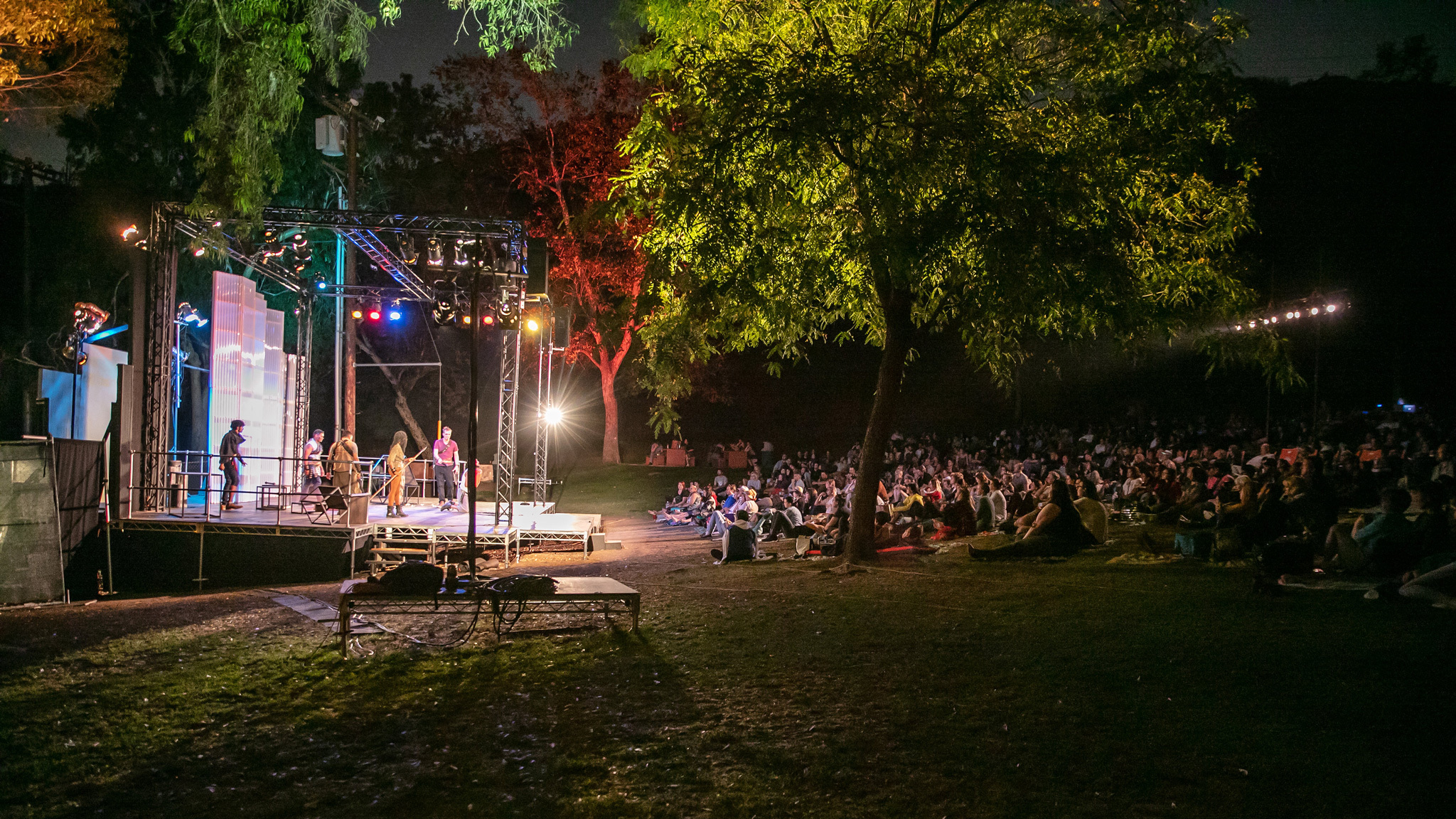 18 things to do over Labor Day weekend in L.A.
Guitar Center's Labor Day sale offers rare savings on exclusive gear with up to 30% off studio monitors, digital pianos, electronic drum kits, guitars, and more
Building on this foundation, the 1930s folk revival brought preservationists and performers such as Alan Lomax, Pete Seeger, Josh White, and Jean Ritchie to the forefront. Inspired by earlier efforts to document folk ballads, these figures ventured into rural communities and urban nightclubs alike, capturing and popularizing traditional songs that illuminated working-class life. Their dedication laid groundwork for folk music's ascent into mainstream consciousness, though the McCarthy era would soon impose severe political pressures.
In the early 1950s, the folk quartet The Weavers—comprising Lee Hays, Pete Seeger, Ronnie Gilbert, and Fred Hellerman—achieved commercial success despite intense anti-communist scrutiny. Their efforts to bring the work of folk legends such as Leadbelly and Guthrie to popular audiences were met with blacklisting, forcing a near-decade hiatus before they staged a celebrated comeback. This episode of political repression underscores the fraught intersection of working-class art and Cold War anxieties.
Meanwhile, the migration of Dust Bowl refugees to California influenced the emergence of the Bakersfield Sound, an electrified country style championed by Buck Owens and Merle Haggard. Often positioned in opposition to the Nashville establishment, which was progressively including artists like Charley Pride and Loretta Lynn, this movement articulated working-class pride and struggle through a raw, direct musical language. Haggard’s later politically charged songs foreshadowed the complex alignment of white working-class voters with conservative politics in subsequent decades.
Parallel to these developments, Tejano music captured the cultural identity and labor experiences of Mexican-American communities in Texas. Documentaries such as Les Blank's 1976 film Chula Fronteras celebrate pioneering artists like Lydia Mendoza, Narciso Martínez, and Flaco Jiménez, whose fusion of traditional Mexican sounds with American influences formed a distinct working-class musical expression.
Across the Atlantic, London’s working-class youth made their mark in the 1960s rock scene through bands like The Kinks. Unlike some contemporaries who embraced the optimistic spirit of Swinging London, The Kinks, led by the Davies brothers, infused their music with social commentary that critiqued class structures and cultural pretension. Their confrontations with the American Federation of Musicians and subsequent challenges in the U.S. market exemplify the tensions between working-class authenticity and commercial pressures.
Detroit's MC5 epitomized the fusion of radical politics and hard rock during the late 1960s. Sons of autoworkers, the band blended aggressive musical innovation with leftist activism, culminating in their participation at the 1968 Democratic National Convention protests. Their uncompromising stance marginalized them within the mainstream music industry yet left a lasting imprint on genres including heavy metal and punk.
The urban landscape of the Bronx during the 1970s and 1980s became a crucible for hip-hop, shaped by socio-economic neglect and cultural resilience. Pioneers like DJ Kool Herc, Afrika Bambaataa, and Grandmaster Flash harnessed turntables and breakbeats to create a new musical form that articulated the struggles and creativity of Black and Latino youths in marginalized neighborhoods.
In the country genre, Johnny Paycheck’s 1977 hit "Take This Job and Shove It" became an anthem of worker frustration and defiance. The song’s mainstream success brought significant financial gain to Paycheck, though his personal story is marked by struggles with addiction and hardship, as documented in a now-unavailable animated series by Mike Judge.
The late 1970s and early 1980s saw hardcore punk emerge as a defiant, grassroots response to corporate music industry neglect. Bands and fans built independent labels, venues, and media to sustain a vibrant, working-class subculture that rejected commercialism and embraced raw authenticity.
Finally, Chicago’s house music scene originated from the creative innovation of Black youth DJs like Frankie Knuckles and Ron Hardy. By blending disco influences with emerging electronic technology, they crafted a genre that transcended local boundaries and sparked a global dance movement rooted in working-class nightlife and culture.
Through these diverse musical chapters, the working class has continually forged a dynamic cultural voice, reflecting struggles, identity, and political currents. The Let It Roll podcast’s exploration of these stories offers a vital reminder of music's enduring role as both a reflection and catalyst of social experience.
Full story & global impact
This article was synthesized and rewritten by MusicTop Editorial from reporting published by nakedcapitalism.com. Read the publisher's report for the complete source context.
Read original source: nakedcapitalism.com