Cut and Spliced: A Locarno Critics Academy Correspondence
Published September 10, 2026 · US
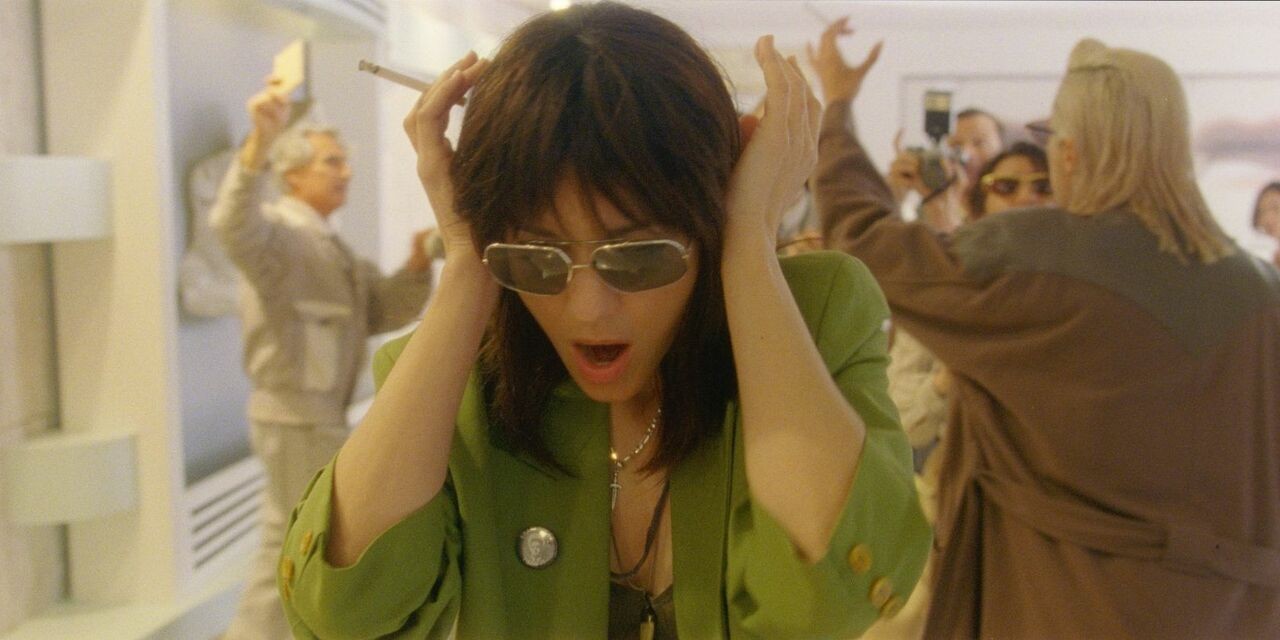
Letters reflect upon the unique experiences of three international critics at the Swiss film festival.
The 2026 Locarno Film Festival in Switzerland offered a platform for filmmakers and critics to engage deeply with cinema’s capacity to weave fragmented histories and personal memories into cohesive narratives. A group of international critics affiliated with the Locarno Critics Academy shared their impressions through a series of correspondences, highlighting how several standout films used editorial splicing and montage to interrogate themes of memory, trauma, identity, and performance.
Ana Vaz’s upcoming film Hanabi (2026) exemplifies this approach by interlacing street scenes from Tokyo and Japan’s Tohoku region with evocative voiceover drawn from Yoko Hayasuke’s Journal of a Radioactive Brain. The film addresses the aftermath of the 2011 Tohoku earthquake and Fukushima nuclear disaster through a second-person narrative style, fostering a complex interplay between narrator, subject, and viewer. This technique challenges audiences to confront the impossibility of fully inhabiting another’s lived experience, underscoring the gaps and discomfort found in collective memory reconstruction.
Related stories
 It Was Once Fire: A Locarno Critics Academy Correspondence
Hong Sangsoo’s Locarno Winner ‘Nowhere to Lay My Eyes’ Anchors Wave of Sales Deals for Finecut Ahead of Toronto
 Locarno 2026 Interview: SIXTEEN MOMENTS OF MY LIFE Filmmaker Albert Serra Discusses Five Cameras, Six Years of Creation, and AI's Limits
Similarly, Isa Hesse-Rabinovitch’s 1981 film Siren Island revisits mythological and feminist themes through a non-linear, collage-like editing style. Drawing inspiration from the Odyssey’s sirens, the film reclaims the sirens’ voice as a symbol of feminine consciousness and queer identity, overturning traditional patriarchal narratives. The work’s rapid montage and double exposures create a sensory experience that celebrates multiplicity and defies conventional storytelling structures.
Umair Bilal’s As Light as Air (2026) offers a contrasting yet complementary use of cinematic time and montage, depicting a Sufi pilgrimage in Sehwan, Pakistan. The film frequently suspends and alters the flow of time through shifts in color saturation and overlapping images, evoking the trance-like state of religious ritual. These visual manipulations invite viewers to oscillate between immersion in the moment and reflective detachment, highlighting the ritual’s spiritual intensity and the act of witnessing itself.
The recurring motif of splicing disparate temporal and emotional moments also extends to works that engage with political conflict and collective trauma. Bani Khoshnoudi’s short Elegy for the Forgotten, on an Endless War (2026) incorporates raw, vertical phone footage from contemporary Iranian protests alongside archival imagery from the Iran–Iraq war. By juxtaposing official propaganda with intimate, grassroots recordings, the film examines the enduring human cost of conflict and the ways visual media is employed both to manipulate and to document history.
Mohanad Yaqubi’s Revolutionaries Never Die (2026) offers a meditation on memory and archival restoration through the lens of Lebanese filmmaker Jocelyne Saab’s work. Following Saab’s death, Yaqubi curated and reactivated her archival films, layering them with reflections on personal and political histories, including his own experiences in Gaza. The film serves as both a tribute and a critical engagement with how histories of war and resistance are preserved or forgotten.
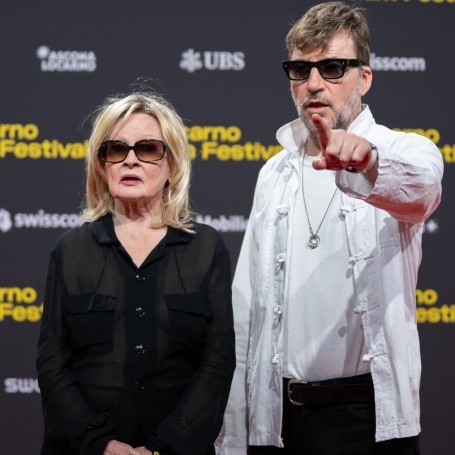
In the realm of performance and embodiment, two films explored the toll of artistic and bodily memory. Albert Serra’s concert film Sixteen Moments of My Life (2026) documents singer Ingrid Caven’s staged performance in Paris with an unflinching focus on her physical exhaustion and emotional vulnerability. The film blurs the boundaries between life and art by equating the passage of a concert with the progression of a life marked by grief, aging, and resilience.
In contrast, François-Christophe Marzal’s Happiness Is So Close! (2026) tells the story of an actor grappling with memory loss as he prepares to play Don Quixote. The protagonist’s paranoia and fear of obsolescence are depicted through a narrative that contrasts sharply with Caven’s reflective endurance, emphasizing the anxiety surrounding identity and legacy.
Throughout the festival, critics noted how these films collectively probe the fractures and joints between memory fragments, whether personal, historical, or mythic. The act of splicing disparate footage and timelines becomes a metaphor for the human endeavor to piece together understanding amid trauma, impermanence, and shifting perspectives.
Locarno’s tranquil Swiss setting, marked by symbols of peace and neutrality, provided a stark backdrop to cinematic works rooted in global conflict and upheaval. The festival’s environment underscored the tension between witnessing and forgetting, and the essential role of cinema in preserving and reactivating memories that might otherwise fade.
The 2026 Locarno Film Festival thus emerged as a space where artists and critics alike confronted the complexities of representation, time, and memory. Through innovative editing and narrative strategies, these films challenge audiences to engage with the fragmented nature of history and experience, insisting on cinema's power as an art form that both reveals and conceals the scars of the past.
Full story & global impact
This article was synthesized and rewritten by MusicTop Editorial from reporting published by mubi.com. Read the publisher's report for the complete source context.
Read original source: mubi.com