He Built Products at Beats, Apple and LVMH. Here’s How He Ended Up at a $1.5 Billion Startup That’s Making Your Data Safer.
Published September 10, 2026 · US
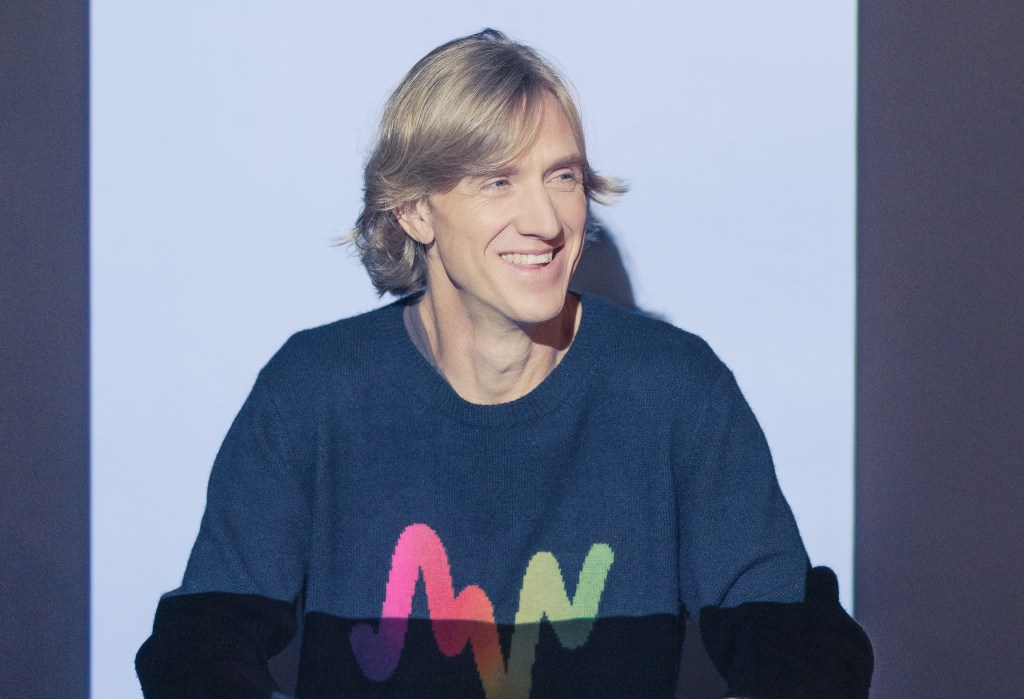
Ian Rogers shares his biggest lesson from building Apple Music.
Ian Rogers, a notable figure in the evolution of digital music platforms, has redirected his career trajectory towards enhancing security in digital identity and finance. Known for his foundational roles in streaming services and music technology, Rogers now serves as the chief human agency officer at Ledger, a security startup valued at $1.5 billion, based in Paris.
Rogers’ early engagement with computer science began in the 1990s, coinciding with the rise of the internet. Emerging from Indiana, he was among the pioneers who developed some of the web's initial websites. This technical foundation soon merged with his passion for music as he embarked on a career that would bridge the two fields.
Related stories

His entry into the music technology sector was marked by the creation and sale of innovative MP3 player software to AOL in 1999, followed by another successful venture acquired by Yahoo. His leadership at Yahoo Music from 2003 to 2008 set the stage for subsequent high-profile ventures, including his instrumental role in building Beats Music. The acquisition of Beats by Apple in 2014 brought Rogers into Apple’s fold, where he oversaw the launch of Apple Music in 2015, contributing significantly to the platform that reshaped music consumption globally.
Rogers’ tenure at Apple influenced his understanding of consumer products, emphasizing the value of integrated ecosystems. He highlighted the importance of the seamless user experience Apple cultivated, which extends beyond hardware to include software and services, creating a cohesive environment that drives customer loyalty.
Following his impactful stint at Apple, Rogers transitioned to the luxury retail sector as chief digital officer at LVMH in Paris. There, he spearheaded the company’s digital transformation, notably expanding its e-commerce presence from a modest fraction to complete online availability during the COVID-19 pandemic.
In 2021, Rogers joined Ledger, a company specializing in hardware cryptocurrency wallets designed to secure digital assets offline. Ledger’s innovation lies in adapting secure chip technology—commonly used in credit cards and passports—to safeguard private keys essential for cryptocurrency transactions, effectively shielding them from online threats. The company’s latest device, the NanoGen 5, priced at $179, aims to protect both financial assets and personal identity.
Rogers’ role at Ledger evolved to chief human agency officer as the company intensified its focus on AI-driven security challenges. He expressed a perspective that the critical security risks posed by AI are fundamentally human concerns. His vision includes empowering users to maintain control over AI agents, which he predicts will become ubiquitous tools in personal and professional contexts.
He advises that future generations will need skills to manage AI effectively, likening AI agents to the computers on desks today. This paradigm shift, he suggests, will redefine how individuals interact with technology, delegating routine tasks to AI while humans oversee initiation and verification.
Reflecting on his career, Rogers underscores the importance of aligning entrepreneurial ventures with genuine market needs rather than personal interests alone. He commends founders who identify and address substantive problems in less glamorous sectors, emphasizing that successful innovation hinges on discovering actual pain points before developing solutions.
While Rogers’ current focus is on securing the intersection of AI and human agency, the full extent of Ledger’s future plans and product developments remains limited in public detail. Nonetheless, his journey from reshaping music technology to confronting emerging cybersecurity threats illustrates a dynamic adaptability to the evolving digital landscape.
Through his varied roles, Rogers continues to influence how technology integrates into daily life, now steering efforts to protect digital identities and assets in an increasingly interconnected world.
Full story & global impact
This article was synthesized and rewritten by MusicTop Editorial from reporting published by entrepreneur.com. Read the publisher's report for the complete source context.
Read original source: entrepreneur.com