Brazil is in fashion, as Brazilians like to say. Here's why
Published September 13, 2026 · US
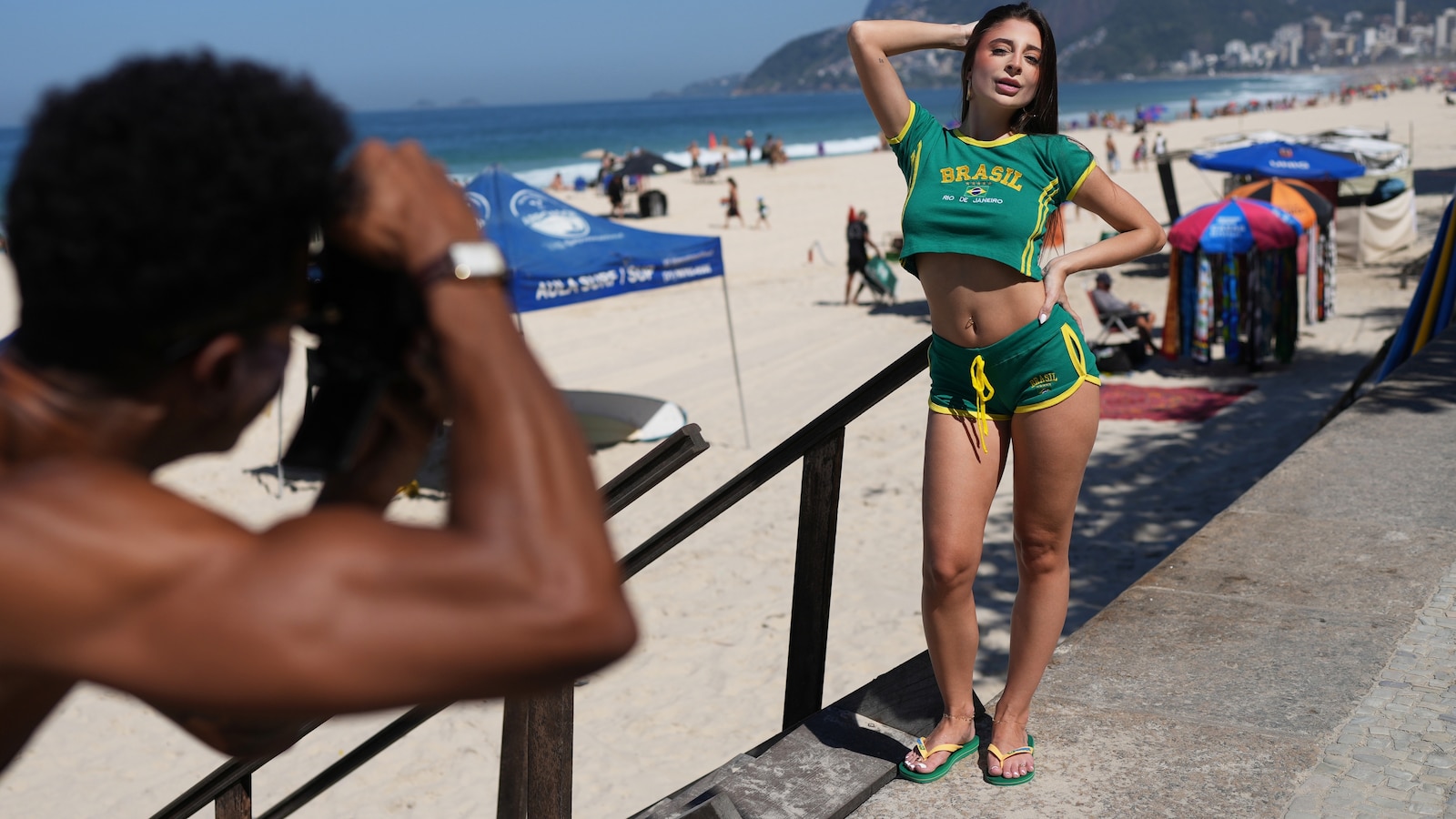
Brazil is experiencing a cultural surge as celebrities and tourists embrace its vibrant culture
Brazil is currently undergoing a significant cultural revitalization that is resonating across the globe, particularly within the realms of music, fashion, and tourism. This surge is characterized by a widespread embrace of Brazil's dynamic cultural identity, as evidenced by a notable increase in international visitors and the adoption of Brazilian-inspired aesthetics by artists and global fashion brands.
The phenomenon, often encapsulated by the phrase "Brazil is in fashion," has roots tracing back to 2023 when the Brazilcore trend emerged. This movement is defined by the celebration of Brazil’s national colors—green, yellow, and blue—and an unapologetic display of lively, colorful apparel that contrasts sharply with the previously dominant uniform and restrained fashion styles. This trend expanded beyond clothing to influence music, dance, cinema, and sports, collectively promoting the notion of "brasilidade," or Brazilian-ness.
Related stories
‘O Projeto’ Directors on Walter Salles’ Support and Screening Poetic Doc About Colonialism Ahead of ‘Dramatic’ Brazilian Elections That Offer a ‘Choice Between Good and Evil’
High-profile celebrities such as Bad Bunny, Emily Ratajkowski, Hailey Bieber, Tina Kunakey, Sabrina Carpenter, Alex Consani, and Addison Rae have been seen adopting Brazilcore styles, further amplifying its reach. Luxury and mainstream fashion houses alike, including Zara, H&M, Chanel, Jil Sander, and Schiaparelli, have incorporated Brazilian motifs and colors into their collections. Items ranging from bikinis and crochet garments to soccer jerseys and accessories have become common manifestations of this trend worldwide.
Related music video
Selected for this story · Published within the last two years
The cultural wave has also translated into a surge in tourism, with Brazil welcoming over 9 million visitors in the last reported year—a substantial 37% rise compared to the previous year. Visitors are drawn not only to Brazil’s famed beaches and Carnival festivities but also to its urban landscapes, including favela neighborhoods such as Rocinha in Rio de Janeiro. Social media has played a pivotal role in this tourism boom, with drone-shot videos of tourists exploring these areas going viral and inspiring others to experience Brazil firsthand.
Brazil’s influence extends deeply into the global music scene as well. Renowned performers like Madonna, Lady Gaga, and Shakira have drawn massive crowds with free concerts on Rio’s Copacabana Beach in recent years. Meanwhile, international artists such as Bruno Mars have publicly expressed their admiration for Brazilian funk music and culture on social media platforms, further elevating Brazil’s cultural visibility.
This international spotlight on Brazil is also reflected in the global success of Brazilian music icons like Anitta and the critical acclaim garnered by Brazilian films nominated for prestigious awards. The country’s vast and diverse cultural output, coupled with its vibrant online presence—Brazil is among the most connected countries worldwide—has created a powerful feedback loop of cultural export and international engagement.

Underlying this cultural renaissance is a complex national identity that intertwines exuberant celebrations with social challenges, including inequality and political controversy. This duality contributes to Brazil's unique appeal, making its cultural exports resonate amid global audiences who recognize similar complexities in their own societies.
Experts point to government support for cultural promotion and concerted efforts from tourism agencies as key drivers behind this heightened global interest. However, there is cautious recognition that political shifts and renewed polarization could impact the longevity of Brazil's current cultural momentum.
Despite these uncertainties, many Brazilians view the rise of "caramelo pride"—a cultural embrace symbolized by the country's caramel-colored street dogs—as emblematic of a broader reclaiming of national identity and pride. This cultural confidence marks a departure from the historical "mongrel complex," a term used to describe the long-standing internalized undervaluation of Brazil’s cultural diversity.
As Brazil continues its cultural ascent on the world stage, its influence in music, fashion, and tourism exemplifies the growing soft power of the nation. The current wave of enthusiasm highlights Brazil's capacity to shape global trends and narratives, positioning it as a pivotal player in the international cultural economy.
Full story & global impact
This article was synthesized and rewritten by MusicTop Editorial from reporting published by abcnews.com. Read the publisher's report for the complete source context.
Read original source: abcnews.com