The 10 Best Movies We Saw at Venice This Year
Published September 14, 2026 · US
As promised, this year’s Venice film festival had its most political lineup in years. These are the ten best movies we saw there, including ‘Naza,’ ‘My Undesirable Friends: Part II,’ and ‘Primetime.’
The 2023 Venice Film Festival emerged as a significant platform for politically engaged cinema, presenting a diverse slate of films that reflect contemporary societal tensions and historical reckonings. Festival director Alberto Barbera characterized this edition as one of the most politically intense in years, a sentiment echoed by critics and attendees alike.
Among the festival’s most acclaimed offerings was May el-Toukhy’s postwar Danish drama, which secured the prestigious Golden Lion award. The film explores the fraught aftermath of Nazi occupation through the experience of Marie, a domestic worker poised to marry into privilege but haunted by societal judgments tied to collaboration accusations. Mathilde Arcel’s portrayal of Marie earned her the Volpi Cup for Best Actress, her restrained yet powerful performance capturing the complexities of guilt, class, and survival in a scarred society.
Related stories

Korean auteur Lee Chang-dong returned with a film delving into class divisions and personal trauma in the wake of a violent labor strike. The narrative juxtaposes two families from disparate economic backgrounds, centering on the emotional awakening of two women—one from a working-class milieu, the other from the affluent elite—each navigating the tensions of their intersecting worlds. The film’s deliberate pacing and nuanced character study invite comparisons to Lee’s earlier work, emphasizing the subtle dynamics of social inequality without resorting to overt dramatics.
The documentary landscape at Venice was marked by unsettling revelations and innovative storytelling. Naza, directed by Yuval Abraham and Rachel Szor, confronted Israeli military conduct towards Palestinians through candid interviews with intelligence personnel, some admitting to grave accusations. Presented against the quotidian life in Tel Aviv, the film’s stark visual style and impactful testimonies sparked international discourse, highlighting the festival’s commitment to politically charged documentaries.
In a distinct yet thematically resonant vein, Robert Greene’s documentary chronicled the life of Ryan Holliger, whose collaborative filmmaking with family and friends blurs the lines between reality and fiction. This intimate, layered work captures personal aspirations intertwined with broader social narratives, offering an exploration of identity and creativity.
Visually and conceptually ambitious, Ilya Khrzhanovsky’s Dau stands out as a monumental biopic of Soviet physicist Lev Landau. Developed over two decades, the project involved constructing an immersive Soviet-era environment where actors lived and worked, culminating in a sprawling cinematic portrait of scientific idealism and political compromise. The film’s surreal elements underscore the tensions of life under authoritarianism, contributing a unique historical and artistic perspective.
Danny Boyle revisited British media history with Ink, a dynamic dramatization of Rupert Murdoch and editor Larry Lamb’s transformation of The Sun tabloid. The film traces the rise of populist media strategies that foreshadowed political shifts towards conservatism and right-wing populism in subsequent decades. Boyle’s energetic direction captures the cultural upheaval of the late 1960s while drawing lines to contemporary political phenomena.
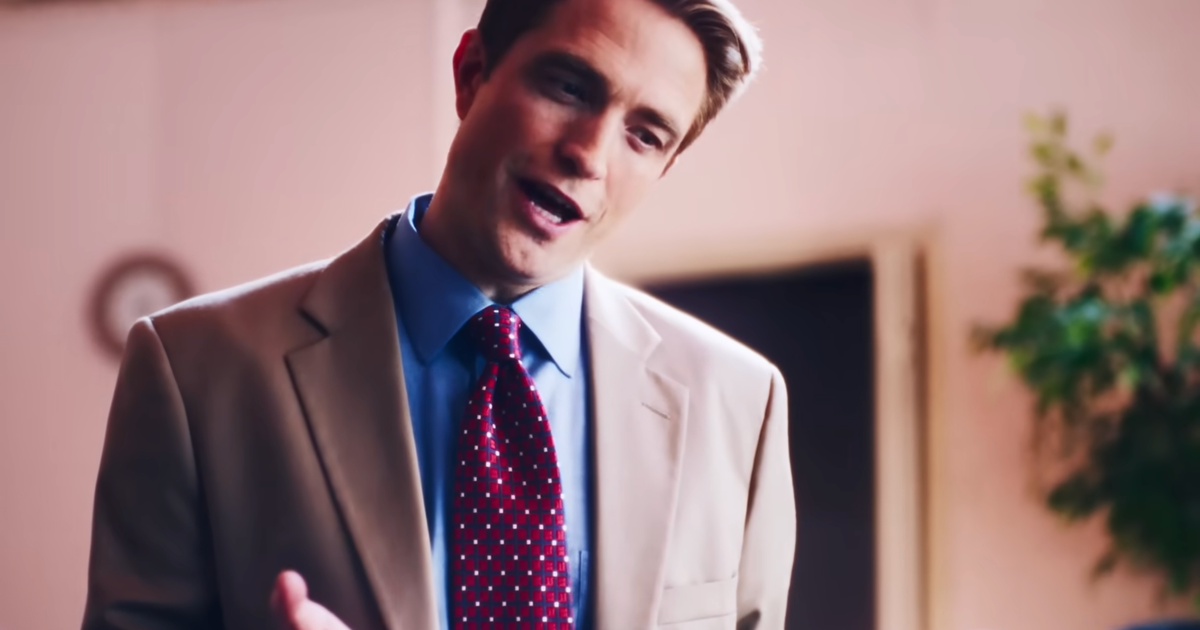
Robert Pattinson delivered a standout performance in Primetime, a thriller centered on a media figure reminiscent of the host of To Catch a Predator. The film critiques the sensationalism and militarization of media during the George W. Bush era, using Pattinson’s layered portrayal to explore themes of power, facade, and moral complexity.
The festival also spotlighted Julia Loktev’s continuation of her documentary series on Russian independent journalists displaced by political repression. This second installment presents a somber reflection on exile, resilience, and journalistic integrity amid ongoing conflict, underscoring the personal costs of authoritarianism and the enduring spirit of resistance.
Completing the politically infused panorama, Queer Edward II revisited Derek Jarman’s 1991 adaptation against the backdrop of early 1990s British conservatism. Utilizing previously unseen footage, the documentary contextualizes Jarman’s work within the gay rights movement and the cultural battles of the era, offering insights into activism, artistic expression, and the struggle for identity under oppressive laws.
Collectively, the Venice Film Festival’s 2023 lineup underscored cinema’s role as a mirror and critic of political and social realities. With compelling narratives, innovative formats, and powerful performances, the selected films not only reflected historical and contemporary conflicts but also challenged audiences to engage with pressing global issues through the transformative power of film.
Full story & global impact
This article was synthesized and rewritten by MusicTop Editorial from reporting published by vulture.com. Read the publisher's report for the complete source context.
Read original source: vulture.com