A Major Artist Was Just Kicked Off a Tour For His Political Beliefs. Now I Have to Do the Unthinkable.
Published September 14, 2026 · US
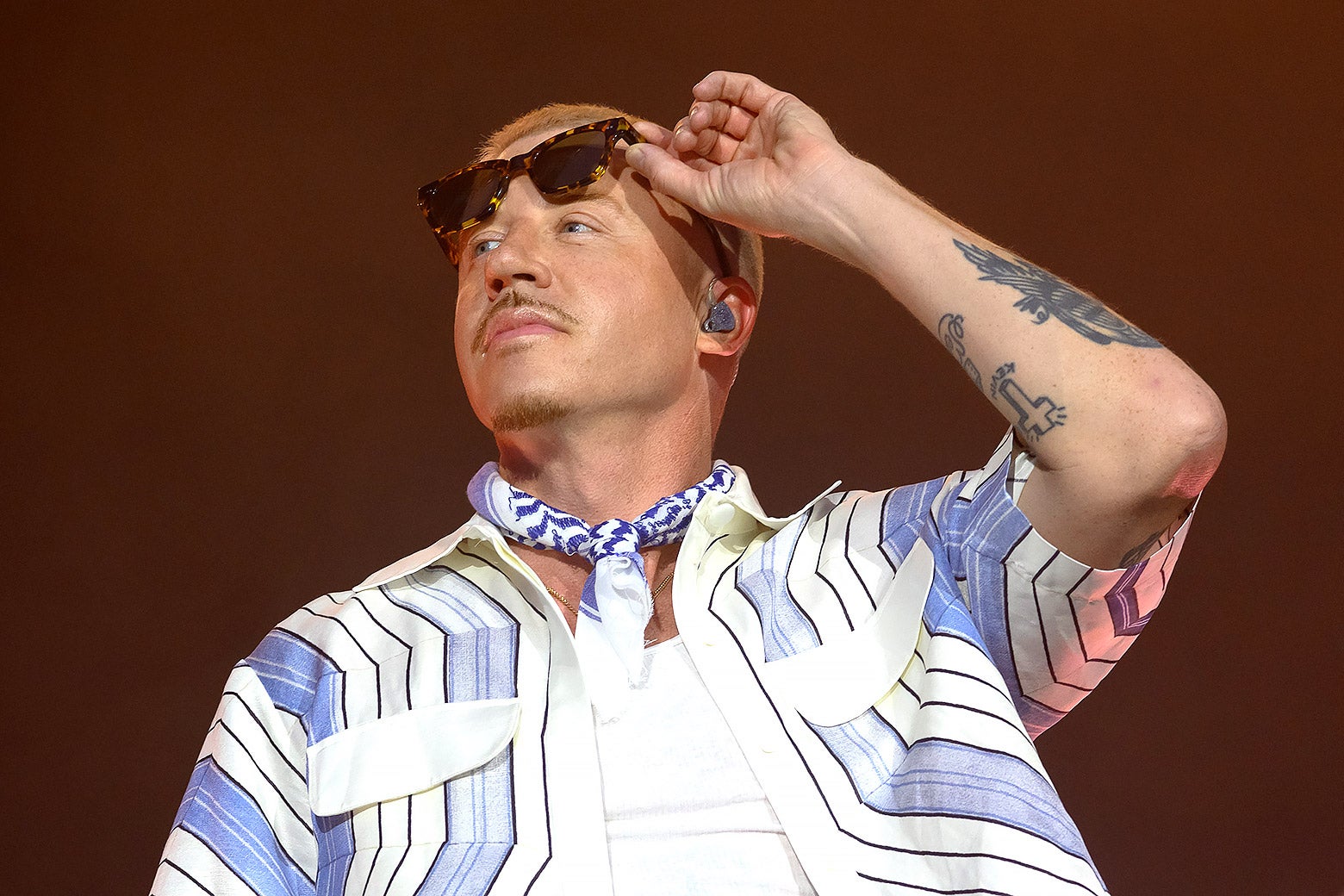
Yes, we're talking about the man behind "Thrift Shop."
Mainstream music tours have once again become a battleground for political expression and corporate interests, as rapper Macklemore has been pulled from Ed Sheeran’s ongoing stadium tour. The decision follows Macklemore’s outspoken support for Palestinian rights during recent performances, which sparked significant backlash from pro-Israel advocacy groups and venue stakeholders.
Macklemore, known for his hit "Thrift Shop," voiced his political views on stage, emphasizing solidarity with Palestine and criticizing various global injustices. His comments included calls to "Free Palestine" and references to the humanitarian crisis affecting children in Gaza. Such statements, while consistent with his prior activism, prompted a swift response from the Israeli American Council, which petitioned for his removal from the tour.
Related stories


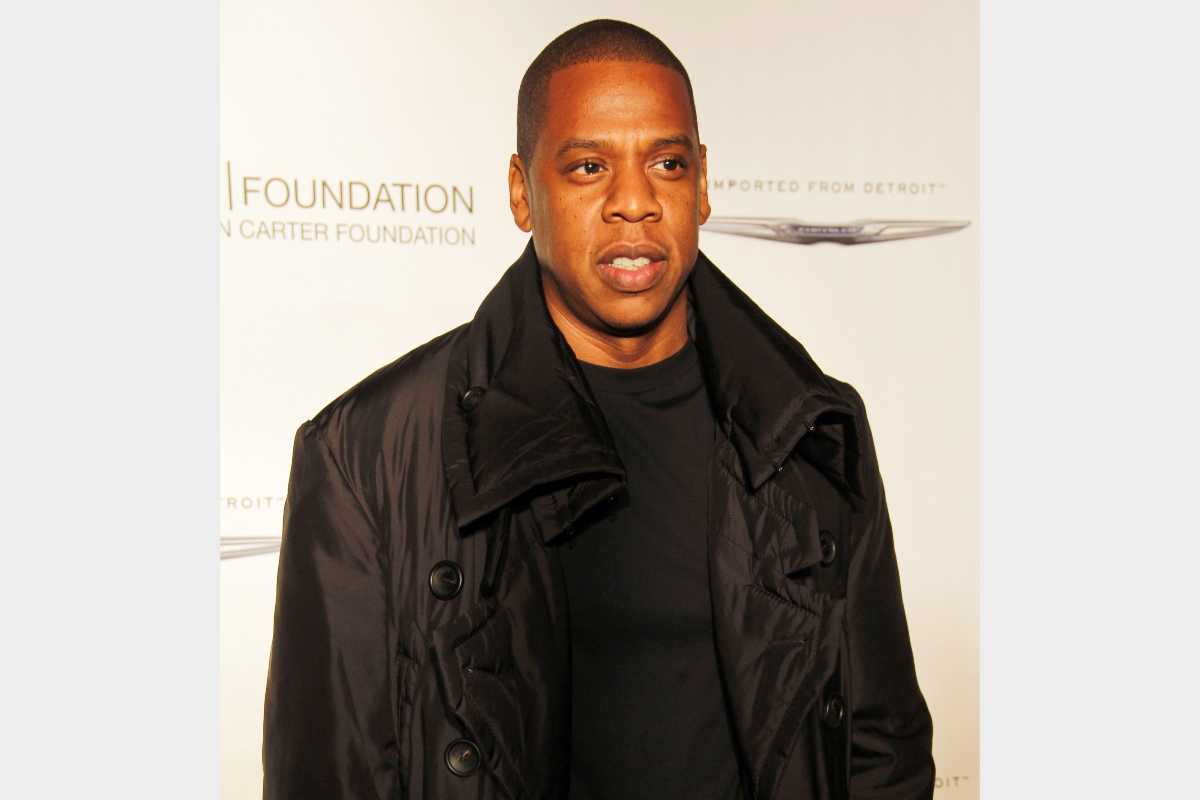
According to reports summarized by slate.com, the controversy escalated when Robert Kraft, the billionaire owner of the New England Patriots and Gillette Stadium, allegedly intervened. Macklemore claimed that Kraft communicated to Ed Sheeran that the venue would not permit the scheduled concert if Macklemore remained as the opening act. This pressure reportedly extended to other stadium owners, contributing to Sheeran's decision to sever ties with Macklemore for the remainder of the tour.

Ed Sheeran himself reportedly expressed discomfort with the political nature of Macklemore’s remarks, citing concerns over potential divisiveness. The singer’s stance highlights the delicate balance artists face when navigating politically charged topics amid commercial interests. Sheeran’s position was described as one of neutrality, but the outcome effectively sidelined Macklemore’s platform within this high-profile tour setting.
Macklemore addressed his removal publicly on social media, reaffirming his commitment to highlighting the plight of Palestinians despite career risks. He underscored the severity of the conflict, citing the death toll among children in Gaza, and framed his activism as a moral imperative rather than a political provocation.
This incident raises broader questions about freedom of expression in the music industry, especially when corporate and political pressures intersect. Live performances have historically served as stages for social and political commentary, yet the reaction to Macklemore’s activism illustrates how such expressions can be curtailed when they conflict with venue owners’ interests or public relations considerations.

The involvement of Robert Kraft adds a complex layer to the narrative, given his influential role in both sports and entertainment venues. The allegations that he played a direct role in the cancellation spotlight the potential for owners to exert control over artistic content through venue access, shaping the cultural discourse indirectly.
While Macklemore’s music and public persona have often been scrutinized, this episode has positioned him as one of the few mainstream artists willing to vocalize contentious perspectives on Palestine. His experience may serve as a cautionary tale for artists contemplating political engagement, illustrating the tangible consequences such positions can have on career opportunities.
Details regarding the full extent of the stadium owners’ coordination and the internal discussions leading to Macklemore’s removal remain limited. However, the event underscores the ongoing tension between artistic freedom and commercial viability within the music industry’s live sector.
As the tour continues without Macklemore, the story serves as a reminder of the complex dynamics at play when art, politics, and business collide. It also highlights the challenges faced by artists who seek to use their platforms for advocacy in environments where economic and political considerations often dominate.
In the current climate, where political statements by artists are increasingly scrutinized, Macklemore’s experience may prompt renewed debate about the boundaries of expression and the responsibilities of venues and promoters in supporting or restricting activist voices.
Full story & global impact
This article was synthesized and rewritten by MusicTop Editorial from reporting published by slate.com. Read the publisher's report for the complete source context.
Read original source: slate.com