Ed Sheeran Speaks Out on Dropping Macklemore Over Pro-Palestine Claims
Published September 15, 2026 · US

“I am not complicit. I have my personal views on this devastating conflict. Just because I choose not to speak publicly, it doesn’t mean I don’t have them, and it doesn’t mean I don’t care,“ the singer said in a statement shared on Instagram.
Ed Sheeran has formally addressed his decision to remove Macklemore from his ongoing Loop Tour, clarifying the circumstances amid ongoing controversy tied to the rapper’s outspoken pro-Palestine statements. The removal, which sparked significant discussion online, was ultimately driven by venue and promoter demands rather than Sheeran’s personal choice, according to a statement the singer shared on social media.
The conflict arose after Macklemore incorporated politically charged messages during his performances, including a call for Palestinian freedom, which drew backlash from various groups and venue operators. Several upcoming tour venues reportedly threatened to cancel concerts if Macklemore remained part of the lineup, placing Sheeran and his team in a difficult position with respect to fulfilling tour commitments.
Related stories
 Jack Antonoff Says Ed Sheeran Should Have Canceled His Tour After Macklemore Was Dropped
Jack Antonoff to Ed Sheeran: “We all live in a world where billionaires are constantly telling us what to do – so stand the fuck up”
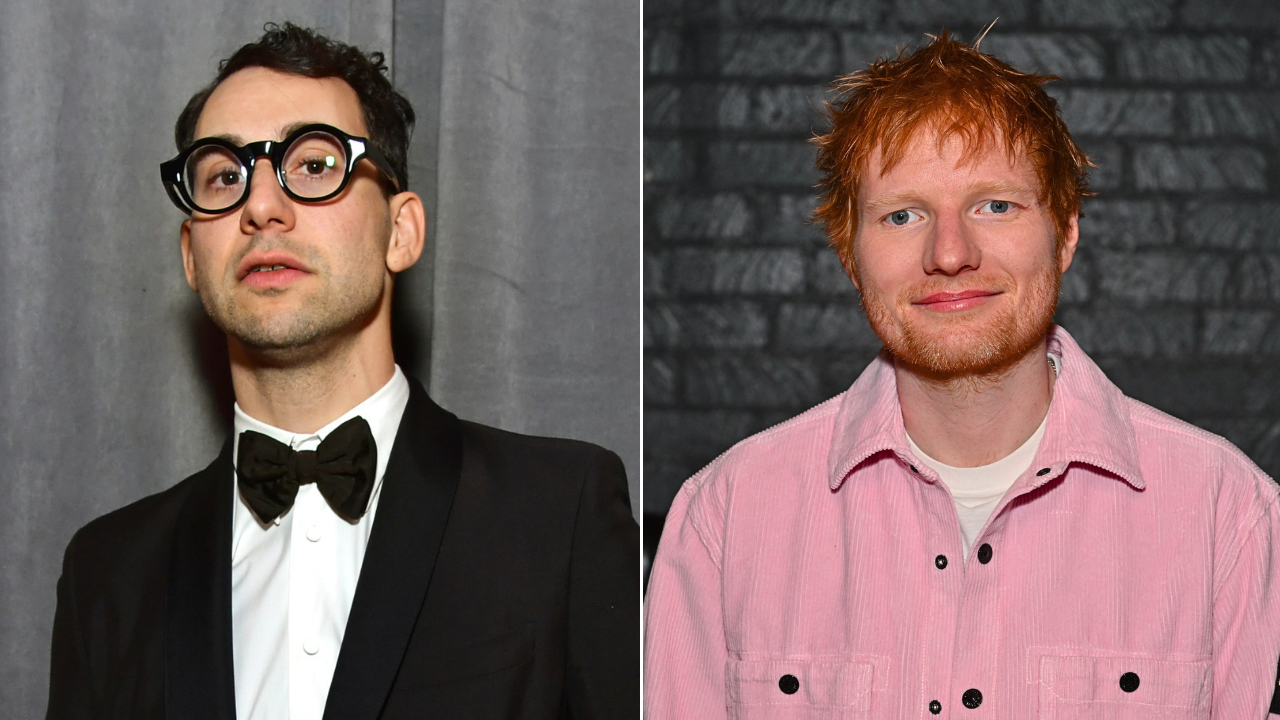 Taylor Swift’s hitmaker scolds Ed Sheeran, ‘stand the f--- up’ after Macklemore fallout
Sheeran explained that his agreement with Macklemore was initially based purely on artistic respect and allowed the rapper autonomy over his setlist. However, after shows in New Jersey, the tour’s future was jeopardized when venues expressed concerns about Macklemore’s political messaging during performances. Attempts to mediate included discussions with venue owners, promoters, and activists representing different perspectives on the conflict, but no resolution was reached.
Related music video
Selected for this story · Published within the last two years
Among those involved in the discussions was Robert Kraft, owner of Gillette Stadium and the New England Patriots, who reportedly exerted significant influence on the venues' collective stance. According to Macklemore, Kraft personally contacted Sheeran to express opposition to his presence on the tour due to his advocacy for Palestine, and he coordinated with other stadium owners to enforce an ultimatum: remove Macklemore or face widespread cancellations.
Sheeran emphasized that the decision to exclude Macklemore was made by the promoter, Messina Touring Group, and that his own contract was with the promoter rather than directly with the rapper. The promoter confirmed that the threat of canceled shows across multiple locations would have impacted hundreds of thousands of fans, compelling them to act to preserve the tour’s viability.
The situation triggered widespread debate about the role artists should play in political discourse, especially in sensitive international conflicts such as the Israel-Palestine situation. Sheeran articulated his longstanding approach of keeping politics off his professional platform, citing his diverse audience that includes many young people and families. He characterized his shows as spaces for unity and joy rather than political forums, and expressed a desire to maintain open dialogue rather than amplify division through confrontation.

Macklemore, on the other hand, remained steadfast in his activism, defending his right to vocalize his views and criticizing the pressures that forced Sheeran into a neutral stance. He suggested that refusing to take a side in the conflict disproportionately favors the party with greater military and financial power, framing neutrality as complicity. Macklemore also addressed accusations of antisemitism that arose in response to his statements, underscoring his distinction between criticism of Israeli policies and hatred of Jewish people.
This episode highlights the fraught environment in the entertainment industry regarding public expressions about the Israel-Palestine conflict. Similar controversies have emerged recently, such as Irish rap group Kneecap facing backlash after explicit pro-Palestine messaging at Coachella and other artists encountering professional repercussions for their stances. These incidents underscore the challenges musicians face when balancing personal convictions with commercial and public pressures.
Sheeran’s statement concluded with a reaffirmation of his personal convictions and artistic identity, acknowledging the complexity of the situation and the difficulty in reconciling competing interests. While he respects Macklemore’s activism, he maintains his philosophy of fostering inclusivity and diplomacy through his platform.
Details remain limited regarding any ongoing negotiations or future plans for Macklemore’s involvement in the tour or other collaborative efforts. The developments serve as a vivid example of how geopolitical conflicts continue to permeate cultural spaces, influencing not only public debate but also the logistics and economics of live music events.
Full story & global impact
This article was synthesized and rewritten by MusicTop Editorial from reporting published by hollywoodreporter.com. Read the publisher's report for the complete source context.
Read original source: hollywoodreporter.com