AOC Says the Real Problem in Ed Sheeran-Macklemore Fallout Is Stadium Owners’ Censorship: ‘Not Just About One Artist’
Published September 16, 2026 · US
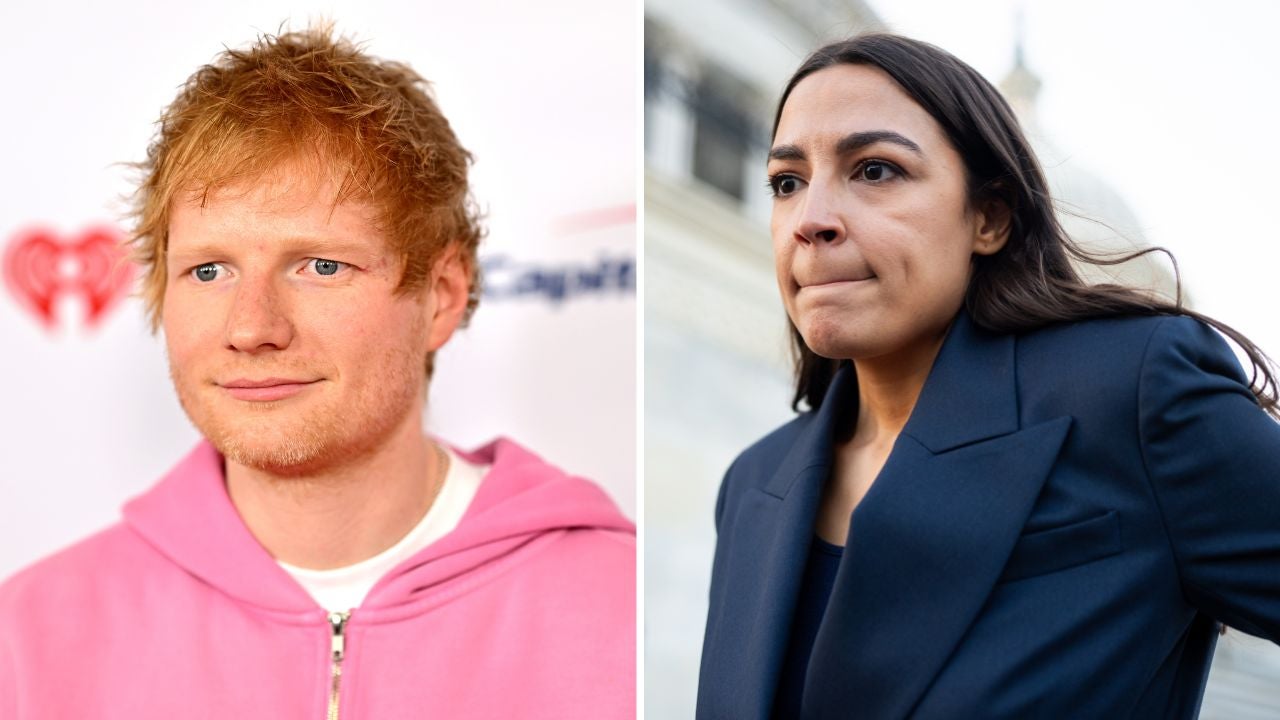
"We need to be very clear about how dangerous a precedent this is," the New York congresswoman says The post AOC Says the Real Problem in Ed Sheeran-Macklemore Fallout Is Stadium Owners’ Censorship: ‘Not Just About One Artist’ appeared first on TheWrap.
The recent controversy surrounding Ed Sheeran’s Loop Tour and the removal of opening act Macklemore has drawn the attention of New York Representative Alexandria Ocasio-Cortez, who frames the issue as a significant challenge to artists’ freedom of expression rather than an isolated incident involving two musicians.
Macklemore was barred from performing the remaining dates of Sheeran’s tour after publicly expressing support for Palestine during a show. This decision followed pressure from stadium owners, including Robert Kraft, who reportedly coordinated to restrict Macklemore’s appearances due to his political statements. The backlash led several other supporting acts, such as Finneas, Aaron Rowe, Lukas Graham, and Sheeran’s house band Beoga, to withdraw from the tour in solidarity.
Related stories
Beyoncé Brags That She Is Not Just A Model But The Founder, Visionary and Sole Investor of Cécred Haircare Brand
 Apple Music's Family Plan Has One Big Advantage Over Spotify (It's Not Just Price)
Ocasio-Cortez voiced concern that the problem extends beyond the conflict between Sheeran and Macklemore. She emphasized the disproportionate influence stadium owners hold over the content artists can share during tours, warning that this form of control risks setting a dangerous precedent that could silence voices on a wide range of issues.
According to the congresswoman, this dynamic is not merely about one or two artists but reflects a broader pattern where a small group of powerful venue owners can effectively police speech, potentially impacting careers based on the expression of controversial or politically sensitive views. She extended this concern beyond the current geopolitical topic, highlighting that similar censorship could be applied to discussions about emerging technologies like artificial intelligence or other social matters.
While Ocasio-Cortez acknowledged she does not have full insight into the contractual or financial details binding Sheeran, she believes there is an ethical imperative for artists to challenge such restrictions publicly. She called attention to the need for transparency and accountability regarding how these decisions are made and their implications for artistic freedom.
Macklemore had been scheduled to perform as the opening act for eight additional shows, with the tour set to resume in Philadelphia. His removal followed criticism from the Israeli American Council, which opposed his pro-Palestine statements and petitioned for his exclusion from the tour.
In response to the situation, Macklemore noted that Ed Sheeran faced considerable pressure, caught between maintaining an apolitical public image and the realities of the controversy surrounding his tour’s lineup. This tension underscored the complex position artists can find themselves in when political issues intersect with commercial interests.
The episode has ignited discussions about the balance between freedom of expression for performers and the commercial and political considerations influencing venue operators. Ocasio-Cortez’s remarks underscore a growing awareness of how power structures within the live music industry can affect not only individual artists but also the broader cultural landscape.
As the music community continues to react—evidenced by the withdrawal of multiple supporting acts—the situation remains a focal point in debates over censorship, artistic autonomy, and the responsibilities of those who control major performance spaces. The evolving circumstances highlight the intersection of politics, commerce, and creative expression in contemporary touring environments.
Details about forthcoming developments, including Ed Sheeran’s response or possible adjustments to the tour’s lineup, remain limited. However, the controversy has already prompted a wider examination of the role that venue owners play in regulating the content and messages conveyed during major concert events.
Full story & global impact
This article was synthesized and rewritten by MusicTop Editorial from reporting published by thewrap.com. Read the publisher's report for the complete source context.
Read original source: thewrap.com