Ed Sheeran's support acts quit US tour after Macklemore dropped
Published September 15, 2026 · US
All four supporting acts for upcoming dates of Ed Sheeran's Loop tour have withdrawn in solidarity with rapper Macklemore who has been dropped for making pro-Palestinian comments.
Ed Sheeran’s ongoing Loop tour in the United States encountered significant disruption when all four scheduled support acts announced their withdrawal, aligning themselves with rapper Macklemore, who was recently removed from the tour. The controversy stems from Macklemore's public pro-Palestinian statements made during a concert at New Jersey’s MetLife Stadium earlier this month.
Macklemore, who was slated to perform at eight of the remaining ten dates on Sheeran’s stadium tour, was dropped following remarks that expressed solidarity with Palestine amid the Gaza conflict. According to abc.net.au, the decision to remove Macklemore was made by the tour promoter and venue operators, not Sheeran himself. The tour's promoter, Messina Touring Group, alongside venue stakeholders, reportedly took the lead in the decision, which sparked a cascade of reactions among fellow artists.
Related stories
 Jack Antonoff Says Ed Sheeran Should Have Canceled His Tour After Macklemore Was Dropped
Jack Antonoff to Ed Sheeran: “We all live in a world where billionaires are constantly telling us what to do – so stand the fuck up”
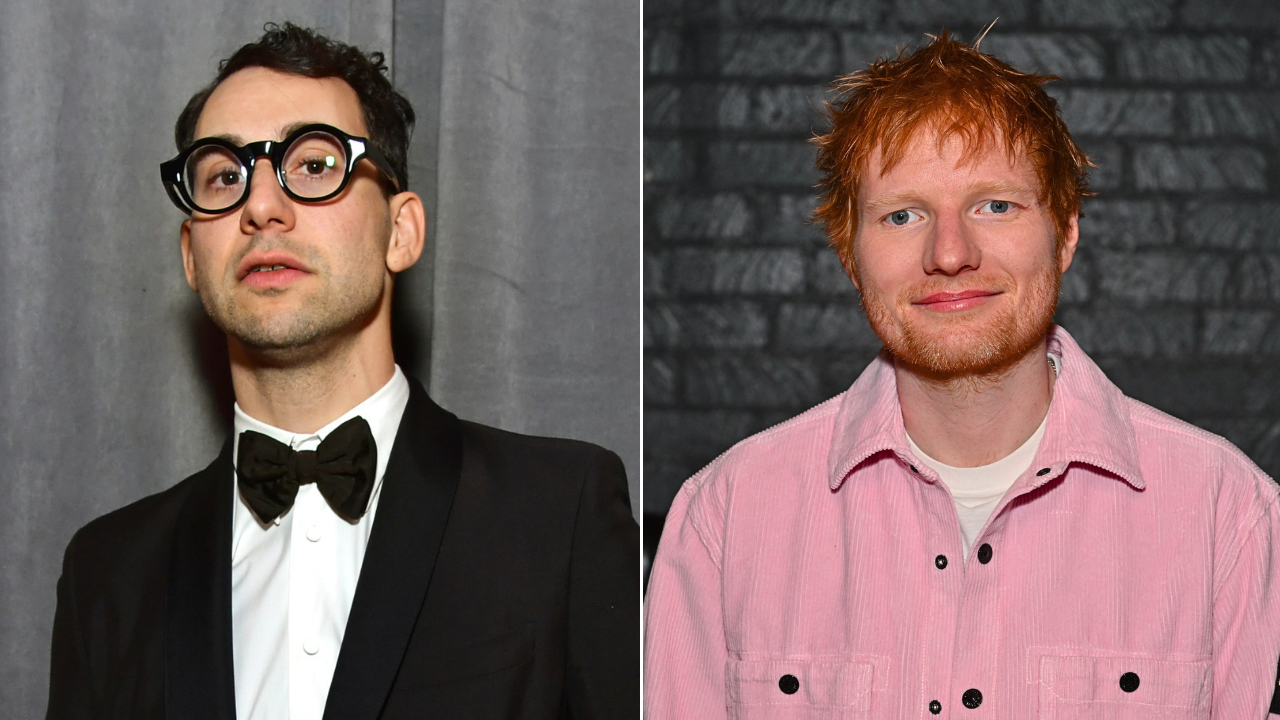 Taylor Swift’s hitmaker scolds Ed Sheeran, ‘stand the f--- up’ after Macklemore fallout
In a show of unity, Irish musicians Aaron Rowe and the folk band Beoga, Danish pop group Lukas Graham, and American artist Finneas — known for his collaborations with Billie Eilish — all publicly announced their intention to exit the tour. Rowe and Lukas Graham had been positioned as replacements for Macklemore on the US dates, while Beoga, who frequently perform with Sheeran, and Finneas, scheduled for later South American dates, also stepped away.
Rowe and Beoga emphasized their Irish heritage and historical awareness of colonial struggles as part of their rationale for departing. Both acts are involved in activism through the Irish Artists for Palestine movement and expressed that their solidarity with Palestinian people was a driving factor. Meanwhile, Lukas Graham framed their decision as a rejection of financial power dictating which voices and narratives are permitted, alluding to the influence of billionaire Robert Kraft in the situation.
Finneas took a firm stance on artistic freedom and the importance of speaking out against oppression, stating his withdrawal was a matter of principle rather than personal conflict. His decision to pull out of the South American leg of the tour signals the broader global implications and reach of the controversy.
Ed Sheeran responded to the unfolding situation via social media, clarifying that the removal of Macklemore was beyond his control and expressing regret over the impact on fans, crew, and other performers who depend on the tour for their livelihood. He emphasized his intention to keep his performances apolitical, noting that his concerts are not the place for political discourse, despite his personal views on the Gaza conflict.
The catalyst for Macklemore’s dismissal appears linked to pressure from Robert Kraft, owner of the New England Patriots, who allegedly influenced venue owners to threaten barring Sheeran from performing if Macklemore remained on the bill. Kraft justified the action by citing concerns over Macklemore’s past associations with antisemitic rhetoric, a claim the rapper has vehemently denied, arguing that criticism of Israeli policies should not be conflated with antisemitism.
This incident underscores the complex intersection of politics, art, and commerce within major music tours. The removal of an artist due to political expression, followed by a boycott from fellow musicians, highlights the challenges artists face when navigating contentious global issues on public platforms.
The Loop tour is scheduled to resume in Philadelphia, with upcoming shows at venues including Gillette Stadium and Mercedes-Benz Stadium. As the situation continues to develop, details regarding further support acts or potential resolutions remain limited. The episode has sparked conversations about the responsibilities and risks artists bear when engaging with political topics during high-profile events.
Full story & global impact
This article was synthesized and rewritten by MusicTop Editorial from reporting published by abc.net.au. Read the publisher's report for the complete source context.
Read original source: abc.net.au