What's Another Year? Ireland to boycott Eurovision again
Published September 17, 2026 · US
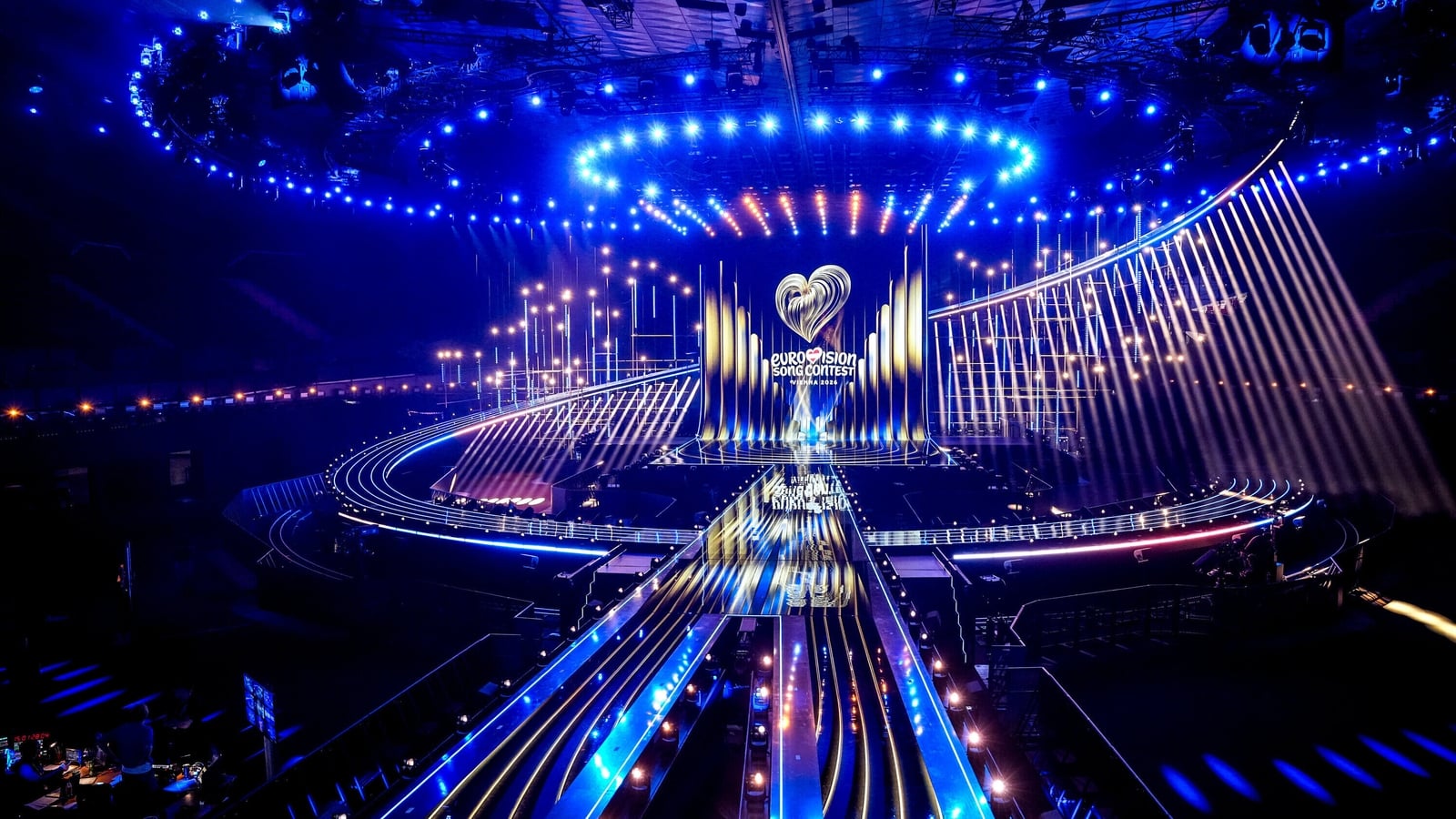
It may be billed as the largest live music event in the world but the statement from RTÉ today confirming that Ireland will not take part in the next Eurovision Song Contest which due to be held on Bulgaria in 2027 came as a no big surprise.
In a significant development for the Eurovision Song Contest, Ireland's national broadcaster RTÉ has confirmed that the country will not participate in the 2027 competition scheduled to take place in Bulgaria. This marks the second consecutive year Ireland will sit out the event, following a similar withdrawal for the 2026 contest in Vienna.
Ireland’s relationship with Eurovision is historically notable. Since making its debut in 1965, the nation has achieved remarkable success, sharing the record for most wins—seven victories—with Sweden. The country also holds the unique distinction of winning three consecutive contests in the early 1990s. However, 2027 will come three decades after Ireland’s last win, when Eimear Quinn triumphed with "The Voice" in 1996.
Related stories



RTÉ’s decision comes amid ongoing concerns related to the geopolitical situation involving Israel and Palestine, particularly the humanitarian crisis unfolding in Gaza. Despite the European Broadcasting Union's (EBU) efforts to address broadcasters’ concerns by introducing changes aimed at ensuring fairness and limiting external influences on the contest, RTÉ has maintained its position to abstain from participating as a statement against the ongoing loss of life and restricted journalistic access in the region.

Earlier, in 2025, RTÉ joined several other European broadcasters—including Spain’s RTVE, the Netherlands’ AVROTROS, Iceland’s RUV, and Slovenia’s RTV—who announced boycotts of Eurovision 2026. The EBU has also recently introduced a policy barring broadcasters from hosting the contest if their countries are involved in armed conflicts or sensitive geopolitical situations, further complicating participation decisions.
In response to RTÉ's announcement, Eurovision Song Contest director Martin Green expressed regret over Ireland’s continued absence but emphasized respect for the broadcaster’s choice. He reiterated the EBU’s commitment to maintaining a dialogue with RTÉ, underscoring the broadcaster’s valued role within the Eurovision community.
The repercussions of the conflict extend beyond Eurovision, influencing broader aspects of the Irish music scene. Notably, Irish traditional band Beoga and singer-songwriter Aaron Rowe withdrew from Ed Sheeran’s US tour in solidarity with Macklemore, who was removed from the lineup following his pro-Palestinian statements. Their decisions highlight a growing intersection between political stances and music industry engagements.

RTÉ’s withdrawal and the associated tensions raise questions about the future of Ireland’s involvement in Eurovision. The broadcaster’s absence from both the contest and its broadcast for two consecutive years disrupts a long-standing tradition and may signal a shift in Ireland’s engagement with the event.
While details on the long-term consequences remain sparse, the situation underscores the complex interplay between global events and cultural platforms such as Eurovision. As the contest approaches its 70th anniversary, the evolving circumstances reflect broader challenges facing international music events amid geopolitical conflicts.
For now, Ireland’s Eurovision chapter remains on pause, with the possibility of a return contingent on changes in the geopolitical landscape and the broadcaster’s reassessment of the situation. The Eurovision family continues to watch closely, hopeful for resolution but mindful of the sensitivities at play.
Full story & global impact
This article was synthesized and rewritten by MusicTop Editorial from reporting published by rte.ie. Read the publisher's report for the complete source context.
Read original source: rte.ie