AOC Drags Robert Kraft For Macklemore Ultimatum
Published September 17, 2026 · US

The rapper Macklemore being removed from pop singer Ed Sheeran’s tour after his pro-Palestine comments stoked the ire of many, including Democratic Congresswoman Alexandria Ocasio-Cortez.
The recent removal of rapper Macklemore from Ed Sheeran’s tour has sparked a broader debate about free expression and influence within the music industry. This controversy emerged after Macklemore made public statements supporting Palestinian rights, which reportedly led to his exclusion from the tour’s upcoming shows. Among those voicing concern was Democratic Congresswoman Alexandria Ocasio-Cortez, who highlighted the incident as indicative of larger systemic issues.
During the tour’s stop at MetLife Stadium in New Jersey on September 4 and 5, Macklemore addressed the audience with remarks advocating justice for Palestinians. According to hiphopwired.com, this expression of solidarity triggered backlash that culminated in his removal from the next scheduled performance at Gillette Stadium in Foxboro, Massachusetts. The decision was confirmed by Robert Kraft, the owner of the stadium, who cited concerns over rhetoric he considered offensive to the Jewish community.
Related stories
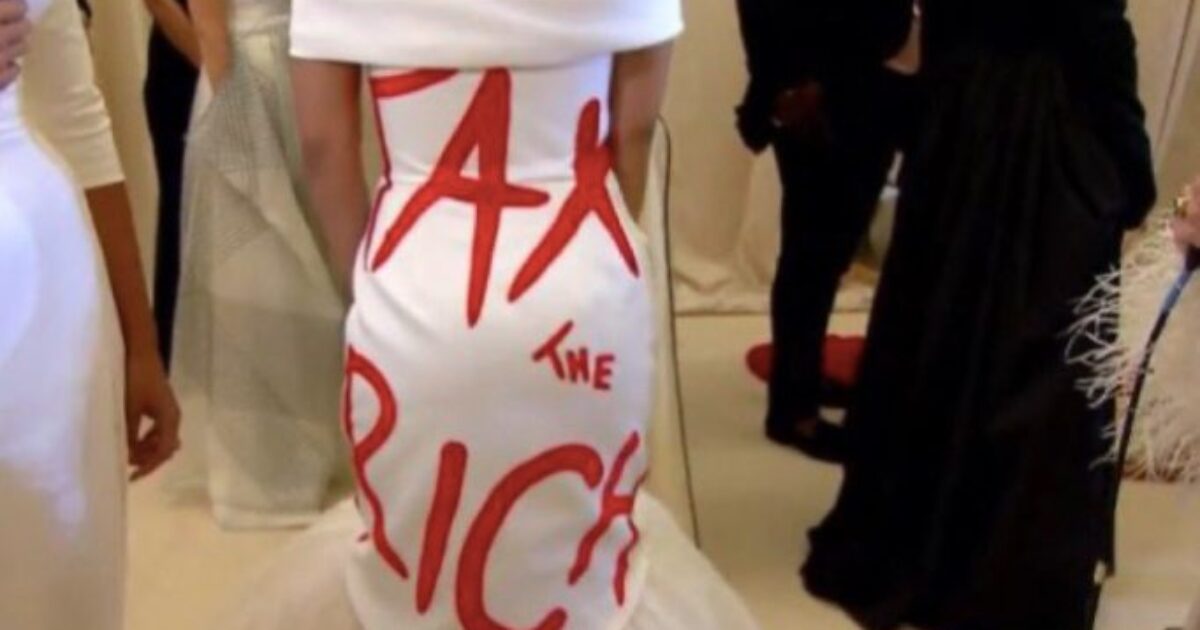


Ocasio-Cortez’s involvement came shortly after the news broke. When approached by media as she left Capitol Hill on September 15, she expressed her awareness of the controversy and underscored the implications of Kraft’s actions. She framed the situation as more than a dispute between two artists, emphasizing the disproportionate power held by a small group of venue owners and influential figures who can shape or suppress political messaging on large platforms.
The congresswoman drew attention to the broader ramifications of such gatekeeping, suggesting that if corporate owners can silence one artist for taking a political stance, similar pressures could extend to other contentious topics, including emerging technologies like artificial intelligence. Her comments suggest a warning about the potential for censorship that transcends individual cases, impacting the cultural discourse at large.
Ocasio-Cortez also conveyed a nuanced perspective on Ed Sheeran’s position, acknowledging that contractual and business arrangements may complicate his ability to publicly support Macklemore or challenge the stadium owner’s decision. She pointed out that the public and even fellow artists might not have full insight into the terms governing such tours, which often involve multiple stakeholders with varying interests.
The controversy highlights the intersection of art, politics, and commerce in the contemporary music landscape. Macklemore, a Grammy-winning artist known for addressing social issues, found his platform limited after expressing views on a highly sensitive geopolitical conflict. The involvement of Kraft, a prominent sports and entertainment venue owner, underscores the influence such figures wield over the visibility and viability of performers.
While specific legal or contractual details remain limited, the incident raises questions about freedom of speech within entertainment venues and the extent to which political statements by artists are tolerated or suppressed. It also reflects ongoing tensions around the Israeli-Palestinian conflict as it reverberates through cultural arenas beyond traditional political forums.
This episode serves as a case study in the challenges artists face when their political beliefs collide with commercial interests. It also calls into focus the responsibilities and power structures inherent among venue owners and promoters in shaping the content presented to audiences.
As the debate continues, observers are watching how other artists and industry figures respond to the precedent set by Macklemore’s exclusion. The outcome may influence future expressions of political activism in music settings and determine how the balance between artistic freedom and corporate control evolves.
In sum, the removal of Macklemore from Ed Sheeran’s tour following his pro-Palestinian advocacy has drawn significant attention from political leaders and cultural commentators alike. Alexandria Ocasio-Cortez’s intervention frames the incident as symptomatic of a wider issue concerning censorship and elite control over public discourse within the entertainment sector, underscoring the complex dynamics at play when art intersects with contentious political issues.
Full story & global impact
This article was synthesized and rewritten by MusicTop Editorial from reporting published by hiphopwired.com. Read the publisher's report for the complete source context.
Read original source: hiphopwired.com