‘Darlene Love: I Know Where I’ve Been’ Review: A Stirring Pop Doc Traces How the Great Singer of ‘He’s a Rebel’ and Other Classics Reclaimed Her Name
Published September 19, 2026 · US

"Darlene Love: I Know Where I’ve Been" tracks the unique fusion of glory, injustice, fleeting opportunity, dashed dreams, resilience, and latter-day recognition that defines her story. The movie, like Love’s life and career, is a one-of-a-kind ride, and by th…
Darlene Love’s legacy as one of the most influential voices of early 1960s pop music is the focus of Barry Avrich’s documentary, "Darlene Love: I Know Where I’ve Been." The film explores the complex interplay of talent, exploitation, and eventual recognition that has shaped her remarkable career.
Born Darlene Wright in 1941, Love’s roots in gospel music laid a foundation for a powerful vocal style that would come to define the Wall of Sound era. In the late 1950s, she joined The Blossoms, a group that became central to the production work of Phil Spector. While Spector’s Wall of Sound propelled many hits, Love’s name was often omitted or overshadowed despite her prominent role.
Related stories
Taylor Swift, Inducted Into Nashville Songwriters Hall of Fame, Says ‘There Is No Music Community Like This Music Community. I Know, I Checked All the Communities’
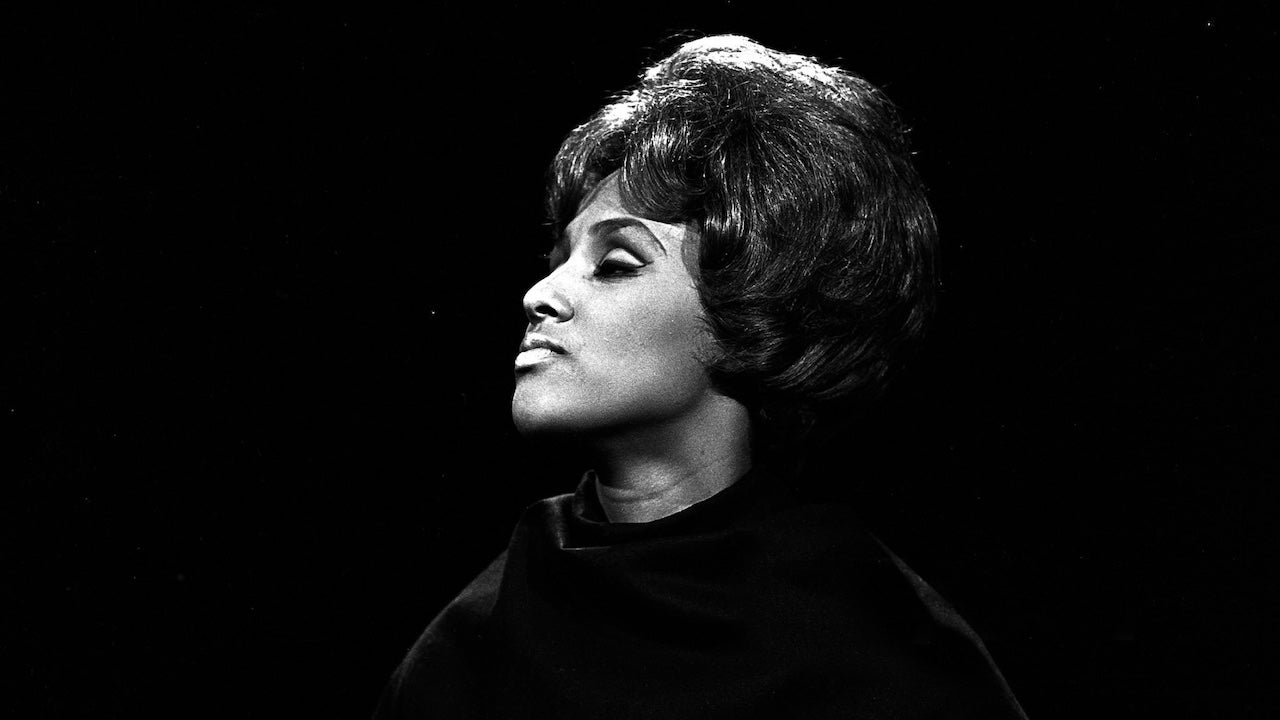 ‘Darlene Love: I Know Where I’ve Been’ Review: Classic Singer Gets a Movie Where She’s Not in the Background
A pivotal moment in her career came with the recording of “He’s a Rebel” in 1962, a song credited to The Crystals but actually performed by Love and The Blossoms. This practice of Spector’s—crediting others for songs she sang lead on—was emblematic of how her identity was obscured in favor of the producer’s branding. Love’s voice carried the song with a commanding presence, yet public acknowledgment eluded her.
Love also sang lead on “He’s Sure the Boy I Love” and delivered the timeless “Christmas (Baby Please Come Home),” which despite being credited to her, suffered from an unfortunate release date coinciding with President John F. Kennedy’s assassination, leading to limited initial exposure. It was only years later, through reissues and renewed interest, that this holiday classic gained its deserved status.
Throughout the 1960s, Love contributed background vocals to numerous hits, including tunes by Sam Cooke and the Beach Boys. Despite her pervasive presence in the era’s chart-topping sounds, systemic practices by Spector and the music industry often marginalized her contributions. These included withholding royalties and shifting singers between groups to maintain his image as the star.
The documentary delves into a significant “what-if” scenario involving the song “River Deep, Mountain High.” Originally intended for Love, the lead was instead given to Tina Turner. The song’s commercial failure marked the decline of Spector’s dominance in pop, and Love’s missed opportunity underscores how her smoother style might have altered its trajectory.
Love’s career waned in the 1970s amid changing musical landscapes and personal challenges, including raising four children and facing hardships within her family. Despite stepping away from the limelight and working outside music, her voice and influence endured.
A resurgence began in the 1980s when David Letterman invited Love to perform “Christmas (Baby Please Come Home)” annually on his late-night show. This exposure, along with support from artists like Bruce Springsteen and Steven Van Zandt, led to a revival of her career through nostalgia tours and theatrical productions like the jukebox musical "Leader of the Pack."
The film features present-day performances of Love’s classics, showcasing her undiminished vocal power and vibrant personality, capturing her as both a living legend and an engaging storyteller of her own history.
"Darlene Love: I Know Where I’ve Been" not only spotlights the singer’s contributions to pop music but also interrogates the broader themes of identity, recognition, and resilience in the face of industry exploitation. Love’s story embodies both the injustices faced by many Black artists of her era and the enduring spirit that has secured her place in music history.
Her 2011 induction into the Rock and Roll Hall of Fame marked a formal acknowledgment of her impact, but the documentary completes the narrative by tracing her journey from the shadows to rightful acclaim. It invites audiences to reconsider the forces that shape musical legacies and to appreciate the artistry behind some of the 20th century’s most iconic sounds.
Full story & global impact
This article was synthesized and rewritten by MusicTop Editorial from reporting published by variety.com. Read the publisher's report for the complete source context.
Read original source: variety.com