Ed Sheeran and Macklemore-gate: What happened and what does it mean?
Published September 24, 2026 · US
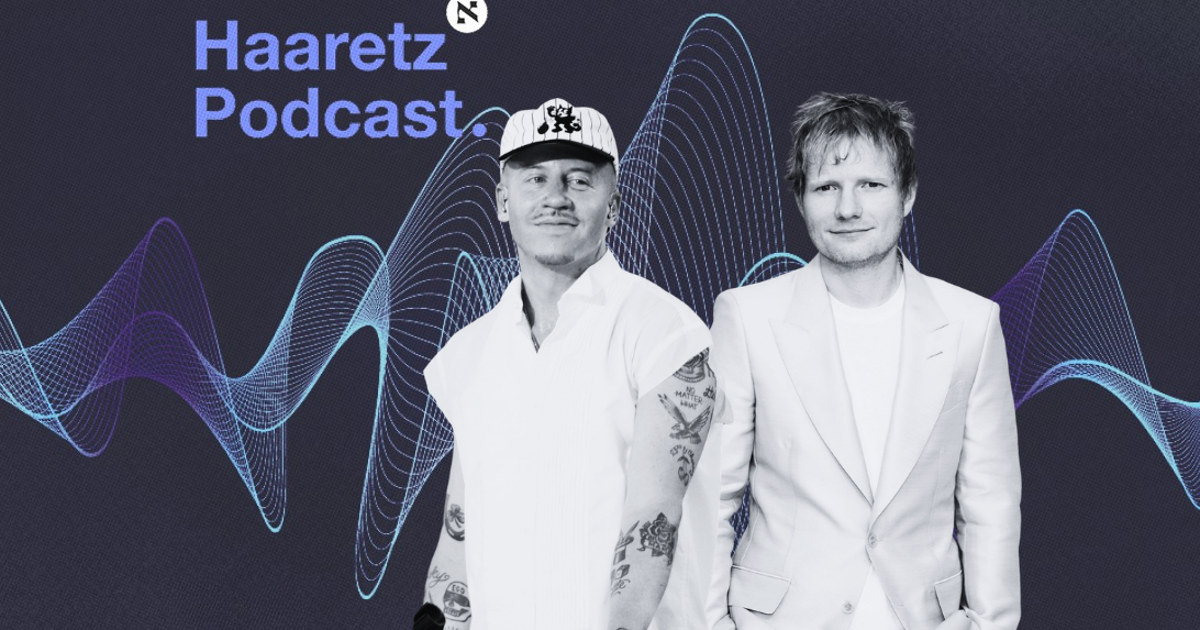
After rapper Macklemore cried "Free Palestine!" as he took the stage as the opening act for music superstar Ed Sheeran, opened a Pandora's box of controversy ov
During a recent concert tour, a politically charged moment unfolded when rapper Macklemore vocalized support for the Palestinian cause while opening for Ed Sheeran. This unexpected declaration has prompted a broader discussion regarding the intersection of activism and entertainment within the music industry.
The incident occurred as Macklemore took the stage to perform as the opening act for Ed Sheeran, a globally recognized pop artist. Without prior public announcement, Macklemore used his platform to express solidarity with Palestine, a statement that quickly reverberated within social media and news outlets, garnering both support and criticism.
Related stories
 Jack Antonoff Says Ed Sheeran Should Have Canceled His Tour After Macklemore Was Dropped
Jack Antonoff to Ed Sheeran: “We all live in a world where billionaires are constantly telling us what to do – so stand the fuck up”
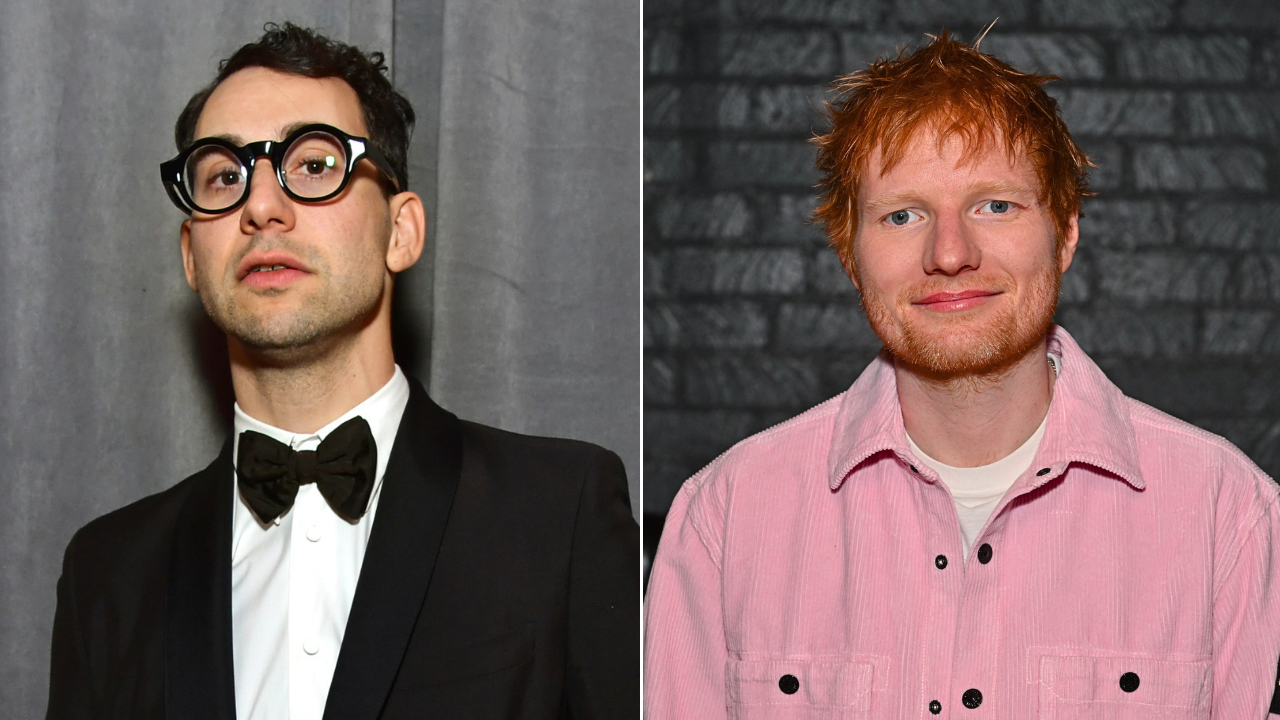 Taylor Swift’s hitmaker scolds Ed Sheeran, ‘stand the f--- up’ after Macklemore fallout
This event highlights the increasingly visible role that musicians and performers play in global political discourse, particularly in contexts where geopolitical tensions are high. The choice to make a politically sensitive statement in the midst of an entertainment event invites reflection on the responsibilities and risks artists assume when merging their art with activism.
Ed Sheeran's involvement in the situation remains indirect, as the political message originated from the opening act rather than the headliner. However, the association has inevitably linked Sheeran’s tour to the ensuing controversy, prompting conversations about how headline artists manage and respond to the political expressions of their supporting acts.
The timing and location of the statement are notable, given the ongoing conflict in the Middle East and the global debates surrounding the Israeli-Palestinian issue. By addressing this topic onstage, Macklemore inserted a contentious geopolitical subject into a mainstream cultural event, which traditionally prioritizes entertainment over political discourse.
Reactions to the statement have been polarized. Supporters commend Macklemore for using his platform to raise awareness about human rights issues, viewing the gesture as an act of courage and solidarity. Conversely, critics argue that political declarations during concerts can alienate audiences and detract from the artistic experience, emphasizing the need for separation between entertainment and activism.
This episode underscores the delicate balance artists negotiate when engaging with political matters. While some embrace the opportunity to influence public opinion and advocate for causes, others caution against potential backlash and the complexities of representing diverse audience perspectives.
The broader music industry continues to grapple with these dynamics, as social and political activism becomes more commonplace among artists across genres. Macklemore’s public stance at a high-profile event serves as a case study in how activism can both energize and complicate an artist’s relationship with fans, peers, and the commercial aspects of their careers.
Details about any official responses from Ed Sheeran’s camp or tour management have not been extensively reported, leaving some aspects of the situation unresolved. Likewise, the long-term impact of Macklemore's declaration on the tour's reception and ticket sales remains to be seen.
In summary, the moment when Macklemore voiced support for Palestine during Ed Sheeran’s tour opening acts as a focal point for examining the evolving role of musicians as activists. It raises important questions about the place of political expression in entertainment spaces and the implications for artists navigating the intersection of culture and controversy.
Full story & global impact
This article was synthesized and rewritten by MusicTop Editorial from reporting published by haaretz.com. Read the publisher's report for the complete source context.
Read original source: haaretz.com