A Conversation With Terry Scott Taylor, the Best Christian Artist You've Probably Never Heard Of
Published September 27, 2026 · US
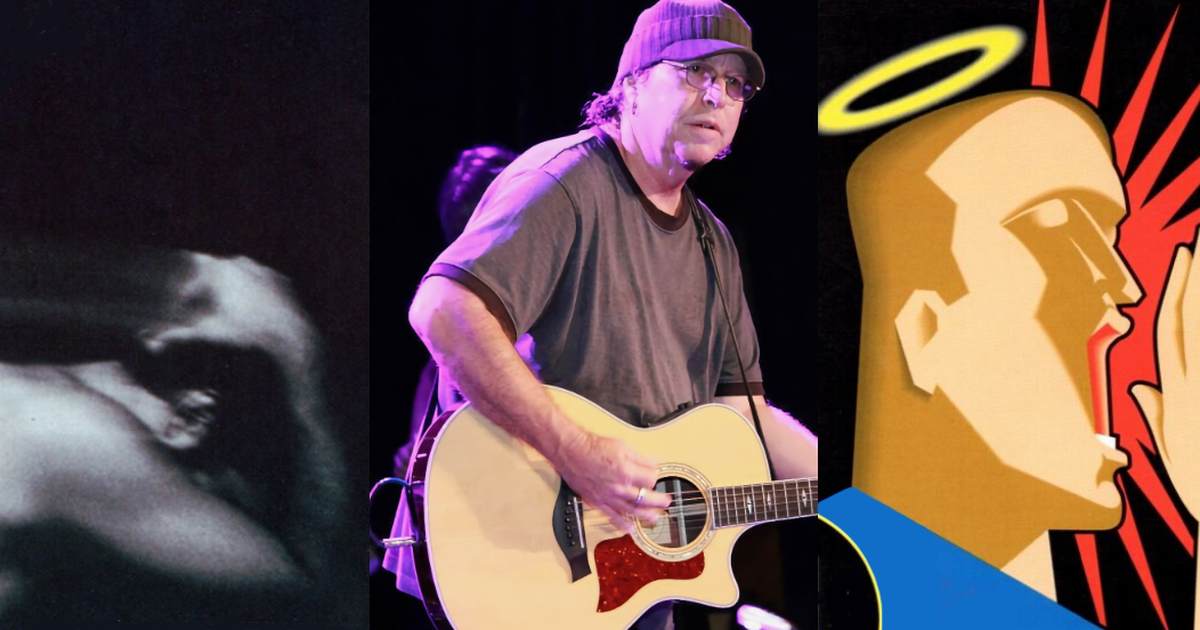
The recent kerfuffle involving British popster Ed Sheeran and his train wreck of a current stadium tour, which was derailed...
In the landscape of Christian music, few names resonate with as much understated influence as Terry Scott Taylor and his band Daniel Amos. Emerging from the Southern California Jesus Movement of the mid-1970s, this ensemble crafted a unique musical journey that challenged conventions within the Christian music scene for over four decades.
Daniel Amos originated as a country-tinged rock group inspired by the Laurel Canyon sound, reflecting the cultural milieu of their time. Under Taylor’s leadership as lead vocalist and primary songwriter, the band evolved through varied musical phases—from basic evangelistic themes to incisive critiques of evangelical excess—while maintaining a steadfast commitment to Christian teachings.
Related stories



The band’s trajectory showcases a deliberate expansion of artistic boundaries, with Taylor guiding Daniel Amos from straightforward rock towards a more complex, modern rock expression. This progression culminated in a series of conceptually linked albums known collectively as The Alarma Chronicles. The final chapter of this series, released in 1986 as "Fearful Symmetry," stands out for its ambitious use of orchestral textures and dreamlike soundscapes, drawing inspiration from British Romantic poets like William Wordsworth and William Blake.
Related music video
Selected for this story · Published within the last two years
Taylor’s approach to "Fearful Symmetry" was to explore profound spiritual themes such as death and the afterlife beyond traditional, often simplistic imagery. By invoking the Romantics’ poetic engagement with nature and melancholy, he sought to communicate eternal truths through a Christian lens, emphasizing God’s supremacy as Creator rather than elevating nature itself.
Musically, the album juxtaposes ethereal melodies with moments of dissonance and restrained intensity, exemplified in tracks like "A Sigh for You" and "The Pool." This careful balance of melodicism and experimental sounds reflected the band’s willingness to take creative risks while sustaining accessibility.
Following this, Daniel Amos embraced a rawer, more immediate sound in later works such as 1991’s "Kalhöun." Moving away from elaborate arrangements, this album captured a live, energetic feel, deliberately accepting imperfections as part of the artistic expression. The shift represented a conscious decision to strip down music complexity, emphasizing emotional authenticity over technical perfection.

Notably, "Kalhöun" includes the track "Father Explains," which offers a poignant narrative from the perspective of a family caught in Middle Eastern conflict. This subject matter was atypical for Christian music outlets at the time, illustrating Taylor’s commitment to addressing real-world issues through a compassionate and humanistic viewpoint without shying away from controversy.
Taylor’s reflections on the songwriting process reveal an almost mystical quality to artistic creation, one that transcends straightforward craftsmanship yet does not equate to automatic inspiration. His collaboration with fellow band members, particularly the late bassist Tim Chandler, was marked by careful attention to how musical arrangements could amplify lyrical meaning. This synergy contributed to the band’s innovative and coherent output throughout their career.
Daniel Amos’s legacy lies not only in their discography but also in their role as trailblazers who expanded the creative possibilities within Christian music. They laid groundwork that enabled subsequent artists to explore complex themes and experiment with diverse musical styles without abandoning their faith-based message.
Despite limited mainstream recognition, Taylor and Daniel Amos have maintained a devoted following and continued to produce music that challenges both secular and religious audiences to engage with deeper spiritual and societal questions. Their work remains a testament to the power of music as a medium for truth and artistic exploration within the Christian tradition.
Full story & global impact
This article was synthesized and rewritten by MusicTop Editorial from reporting published by redstate.com. Read the publisher's report for the complete source context.
Read original source: redstate.com