This 2001 Musical Flop Is Now a Beloved Criterion Collection Classic
Published September 30, 2026 · US
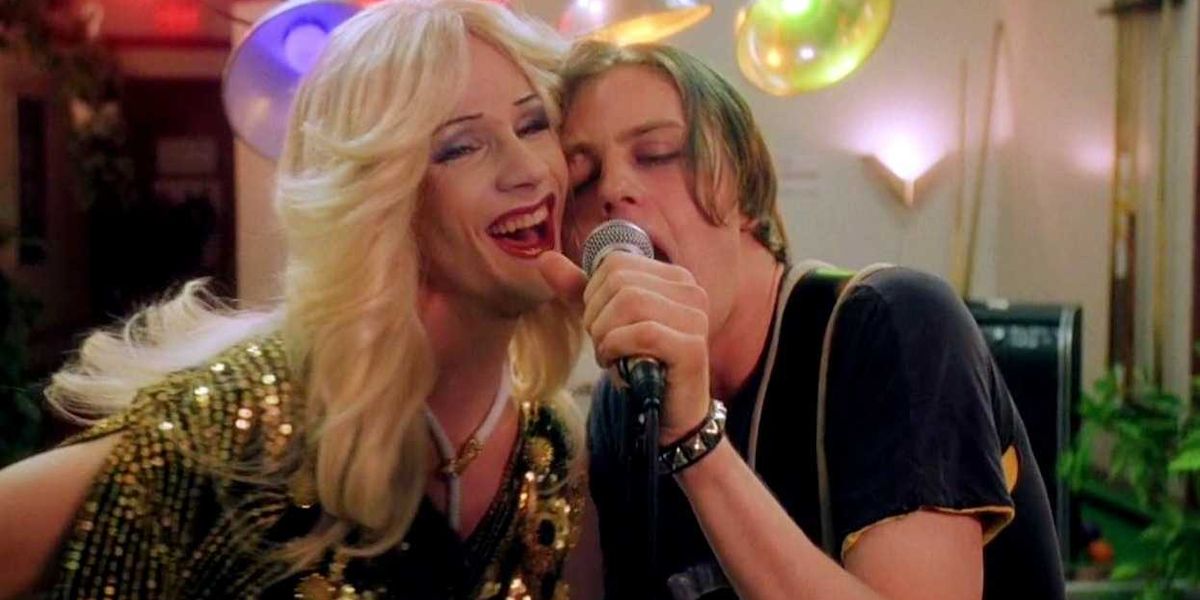
Hedwig and the Angry Inch , a boundary-busting 2001 movie musical written and directed by its star John Cameron Mitchell, rightfully received a lavish physical media release through the Criterion Collection in 2019, cementing its status as a classic of LGBTQ…
John Cameron Mitchell’s 2001 film Hedwig and the Angry Inch stands today as a landmark of queer cinema, yet its origins tell a story of commercial underperformance and gradual cultural ascendance. Despite its initial underwhelming box office returns, this bold, genre-defying musical has since secured a revered spot in LGBTQ+ film history.
Hedwig and the Angry Inch originated from a stage musical co-created by Mitchell, who also penned the screenplay and directed the film. The narrative centers on Hedwig, an East German rock singer navigating a turbulent identity marked by a botched sex reassignment surgery and a complex relationship with her former lover and song thief, Tommy Gnosis. The film’s vivid portrayal of gender, identity, and artistic expression is underscored by its distinctive punk rock style and theatrical flair.
Related stories
 In 2001, Pierre Cardin bought the ruined château once owned by the Marquis de Sade; after nearly seven years and millions of euros in restoration work, the historic Provence site became a music and theatre festival venue
Billboard - 2001 Full Year
 Shakira bought a four-bedroom Miami mansion for $1.075 million in 2001, sold it for $1.8 million four years later: Singer’s early real estate move as she conquered the US music market
At a time when LGBTQ+ cinema was gaining momentum, the film’s $6 million budget was notably substantial, especially for a first-time director and a project dealing with non-mainstream themes. This investment dwarfed the budgets of many contemporaneous queer indie films and signaled confidence in the project’s potential. However, its release in July 2001 placed it in direct competition with mainstream summer blockbusters such as Jurassic Park III and Legally Blonde, which contributed to its modest commercial performance.
Financially, Hedwig and the Angry Inch recouped only about $3.6 million during its theatrical run, falling short of its production costs and the estimated amount required to break even when factoring in marketing and distribution expenses. Despite this setback at the box office, the film quickly garnered critical acclaim and industry recognition that hinted at its enduring appeal.
Critics praised Mitchell’s ability to translate the energy and vibrancy of the stage musical into a cinematic experience. Freed from the constraints of theater, the film employed inventive visual techniques and a dynamic narrative style that enhanced the story’s emotional and symbolic depth. Noteworthy elements include the imaginative staging of musical numbers, such as the “Wig in a Box” sequence, and the use of visual metaphors to explore themes of identity and self-acceptance.
The film’s creative team also contributed to its unique aesthetic. Costume designer Arianne Phillips crafted striking and memorable looks that helped define the film’s characters, while animator Emily Hubley’s sequences added an artistic layer to key moments. These artistic choices enriched the film’s texture and helped it stand out amid the cinematic landscape of its time.
Hedwig and the Angry Inch’s critical success was reflected in numerous accolades. It won the Teddy Award for Best Feature Film at the Berlin International Film Festival and earned both the Audience Award and Directing Award at Sundance. It also received multiple Independent Spirit Award nominations, including Best Picture, and Mitchell’s performance earned him a Golden Globe nomination for Best Actor in a Musical or Comedy.
Over time, the film’s growing reputation led to its inclusion in the prestigious Criterion Collection in 2019, a mark of its cultural and artistic significance. The Criterion release introduced Hedwig to new audiences and solidified its status as a cult classic. Additionally, the film’s influence extended back to the stage, with the musical making its Broadway debut in 2014, featuring notable performers such as Neil Patrick Harris, who won a Tony Award for his portrayal of Hedwig.
Today, Hedwig and the Angry Inch is celebrated not only as a pioneering LGBTQ+ film but also as a vital artistic statement that resonates with themes of transformation and resilience. Its journey from a commercial disappointment to a beloved classic underscores the evolving landscape of queer representation in cinema and the enduring power of authentic storytelling.
As the film continues to inspire new generations, its legacy serves as a testament to the importance of risk-taking in art and the potential for works outside the mainstream to achieve lasting impact.
Full story & global impact
This article was synthesized and rewritten by MusicTop Editorial from reporting published by nofilmschool.com. Read the publisher's report for the complete source context.
Read original source: nofilmschool.com