Binational jazz festival celebrates music on both sides of the border
Published October 1, 2026 · US
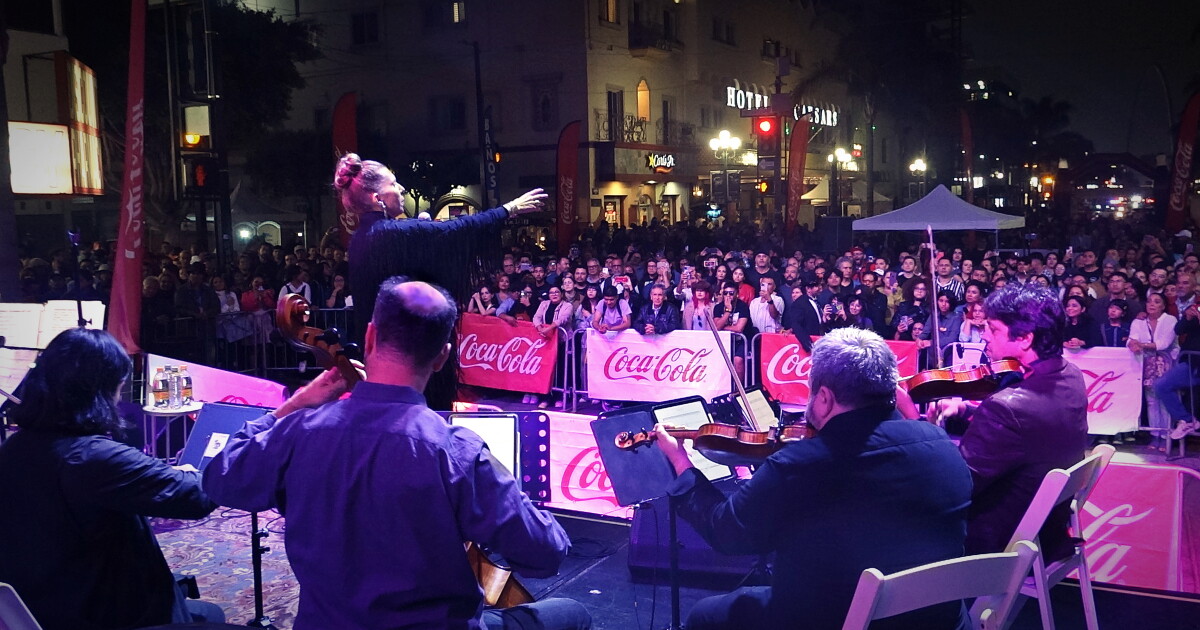
The San Diego Tijuana International Jazz Festival kicks off Thursday evening. For the past three years, it has featured renowned jazz artists performing in free concerts on both sides of the border.We hear from the festival's founders about how they are conti…
The San Diego Tijuana International Jazz Festival is set to begin its third annual run, continuing its mission to celebrate jazz music across the U.S.-Mexico border. This unique festival distinguishes itself by featuring artists and audiences from both San Diego and Tijuana, underscoring the deep cultural and musical ties that bridge the two cities.
Founded by Dan Atkinson and Julian Placencia, the festival was conceived to fill a long-standing void in the region’s jazz scene. After decades without a major international jazz event in San Diego, the founders sought to create a binational platform that reflects the border region’s rich and intertwined musical heritage. Their vision emphasizes not only the artistic exchange but also the social and historical connections between the communities.
Related stories

The festival's opening night will feature performances in San Diego’s East Village, showcasing a mix of local and international talent. This includes a youth ensemble composed of musicians from San Diego and Ensenada, illustrating the festival’s commitment to nurturing emerging binational artists. Also performing is Colectivo Fronteras, a band making its U.S. debut, alongside Jungle Fire, a group blending influences from Los Angeles and San Diego.
Jazz’s roots in Tijuana are notable, dating back to the Prohibition era when the city thrived as a vibrant entertainment hub. During the 1920s and 1930s, Tijuana's nightlife attracted jazz musicians, including figures from New Orleans such as Jelly Roll Morton, who crossed the border to perform. This history laid the foundation for the ongoing jazz traditions celebrated today.
One of the festival highlights is the appearance of pianist and composer Danilo Perez, who brings a Latin jazz perspective influenced by his Panamanian heritage. His presence underscores the festival’s focus on diverse jazz expressions and cross-cultural dialogue. Perez is set to perform pieces that reflect both his roots and the broader Latin American jazz canon.
The festival also pays homage to jazz legend Charles Mingus, whose legacy is closely tied to the borderlands. Born in Nogales, Arizona, and having spent formative years in Southern California, Mingus’s connection to the region is significant. His album "Tijuana Moods," inspired by the border city, will be brought to life by the Mingus Dynasty Band at performances in Escondido and Tijuana. Additionally, a mural honoring Mingus is being commissioned on Tijuana’s Avenida Revolución, highlighting the city's role in his artistic journey.
Organizers emphasize the festival’s binational nature as central to its identity. By hosting concerts on both sides of the border and featuring artists from diverse backgrounds, the festival fosters a sense of shared cultural heritage and mutual respect. This approach challenges traditional festival models and highlights the border region’s unique social fabric.
Historically, Tijuana offered a welcoming venue for African-American jazz musicians during segregation in Southern California, providing opportunities that were often denied elsewhere. This legacy adds depth to the festival’s narrative, reinforcing Tijuana’s important role in jazz history.
This year’s events span multiple locations, with shows in San Diego kicking off the festival and several performances in Tijuana scheduled for Friday and Sunday. Many concerts, particularly in Mexico, offer free admission to encourage community participation from both sides of the border.
As the San Diego Tijuana International Jazz Festival enters its third year, it continues to enrich the regional music scene by honoring the past and fostering new artistic collaborations. It serves as a vibrant cultural bridge, celebrating jazz not just as a genre, but as a shared language uniting border communities.
Full story & global impact
This article was synthesized and rewritten by MusicTop Editorial from reporting published by kpbs.org. Read the publisher's report for the complete source context.
Read original source: kpbs.org