In 2015, a Kansas neighbour building a boundary fence cut 133 trees, some as far as 70 feet inside the adjoining land; 11 years later, an appeals court has upheld the landowner’s $6,500 damages award
Published October 5, 2026 · US
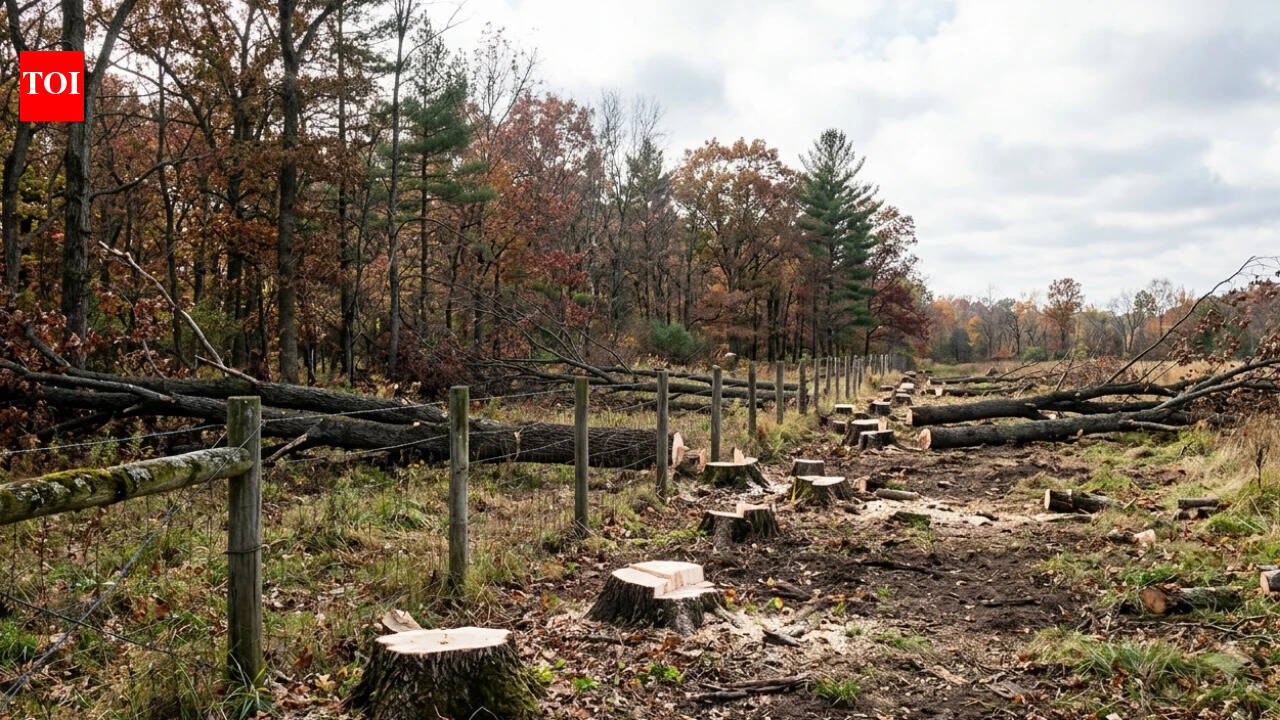
A Kansas appeals court has upheld a $6,500 damages award against a man whose neighbour’s fence project led to 133 trees being cut on adjoining land in 2015. The court found the landowner filed his trespass case within the legal time limit and that there was e…
A longstanding legal dispute in Kansas has reached a definitive conclusion, with an appeals court confirming a $6,500 damages award related to a property boundary conflict dating back to 2015. The case centers on a neighbor's construction of a boundary fence that resulted in the removal of a significant number of trees from adjacent land.
The original incident involved the cutting down of 133 trees, some extending as far as 70 feet inside the adjoining property. This extensive removal was linked directly to the fence installation undertaken by one landowner, which encroached upon the neighbor’s territory without authorization. The affected landowner pursued legal action, claiming trespass and seeking compensation for the loss of their trees.
Related stories

After several years of legal proceedings, the case reached the Kansas Court of Appeals, which examined the validity of the trespass claim and the timeliness of the lawsuit. The court affirmed that the landowner had filed the case within the legally prescribed period, upholding the initial ruling that awarded damages for the unauthorized tree removal.
This decision highlights the importance of respecting property boundaries and the legal consequences that can arise from unauthorized alterations to another person's land. The court’s ruling serves as a precedent emphasizing that significant environmental or property damage caused by encroachment can warrant financial restitution.
The dispute underscores the potential complexities in neighborly relations, especially when property improvements inadvertently or deliberately cross into adjoining land. While the installation of boundary fences is a common practice, this case illustrates the necessity for clear communication and legal compliance to prevent costly conflicts.
Details about the identities of the parties involved remain limited, as the case was primarily focused on property rights and trespass law rather than broader personal disputes. The tree removal not only represented a breach of property rights but also raised concerns about environmental and aesthetic impacts on the affected land.
The $6,500 damages award, upheld after more than a decade, reflects the tangible value assigned to the destroyed natural assets as well as compensation for the invasion of property rights. The prolonged legal process reveals the challenges landowners face in seeking redress for property damage and the importance of judicial oversight in such matters.
This case from Kansas is an instructive example for property owners considering modifications near shared boundaries. It illustrates the legal risks of unilateral actions that impinge on neighbors’ land and reinforces the principle that property rights are protected by law, with violations subject to financial penalties.
In sum, the Kansas appeals court’s decision marks the end of an 11-year legal saga, affirming the injured party’s entitlement to damages after a neighbor’s fence construction led to the removal of over a hundred trees on adjoining property. The ruling reiterates the judiciary’s role in safeguarding landowner rights and ensuring accountability in cross-property disputes.
Full story & global impact
This article was synthesized and rewritten by MusicTop Editorial from reporting published by timesofindia.indiatimes.com. Read the publisher's report for the complete source context.
Read original source: timesofindia.indiatimes.com