The First Amendment Applies to Concert Stages Too
Published October 13, 2026 · US
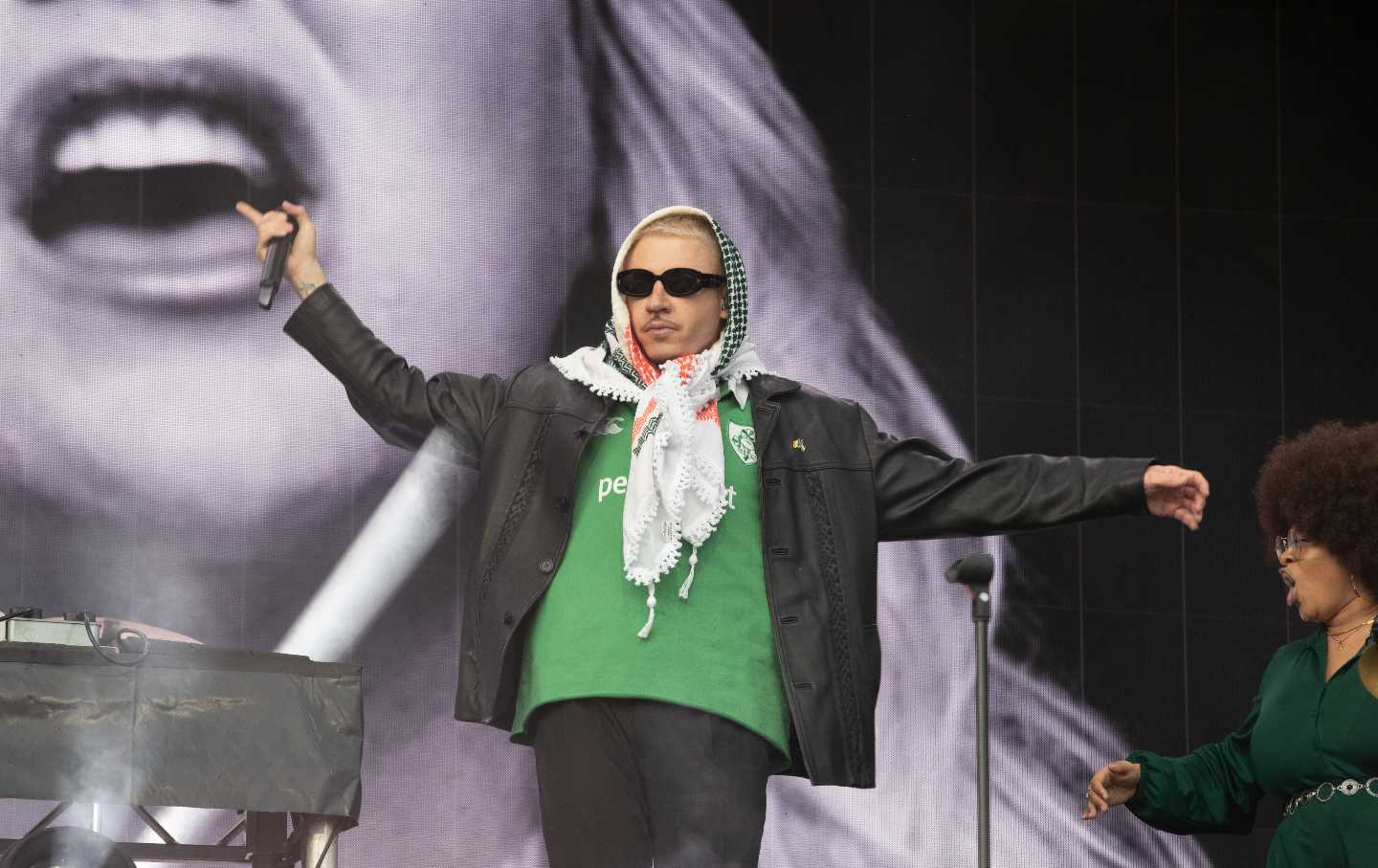
John Nichols Protests like that of Macklemore on Palestine should never be silenced by billionaire owners. The post The First Amendment Applies to Concert Stages Too appeared first on The Nation.
The intersection of music, politics, and free speech has once again become a focal point following the recent controversy involving rapper Macklemore. His outspoken support for Palestine, expressed during a high-profile American stadium tour, led to his removal from Ed Sheeran’s lineup. This incident highlights ongoing tensions around the rights of artists to use their platforms for political expression, especially when facing pressure from powerful commercial interests.
The dispute began when Macklemore openly declared "Free Palestine" during his opening performance for Sheeran’s Loop Tour. These remarks came in the wake of his 2024 release "Hind’s Hall," a track that explicitly addresses the student protests against the ongoing Gaza conflict. The song had resonated widely, accumulating millions of streams and directing proceeds to aid Palestinian refugees through the United Nations Relief and Works Agency.
Related stories

Despite the widespread digital support for Macklemore’s message, billionaire stadium owners, including Robert Kraft, reportedly applied pressure that led Sheeran to exclude Macklemore from subsequent shows. This decision sparked significant backlash within the music community, with Sheeran’s backing band and other opening acts withdrawing from the tour in solidarity. The episode underscores the complex dynamics where commercial interests and political expression collide in the live music industry.

Veteran artists have long used their stages to voice dissent and challenge social injustices, a tradition emphasized by Patti Smith during a recent appearance at Chicago’s Riot Fest. Smith referenced her 23-year-old song "Peaceable Kingdom," written for the Palestinian people, to illustrate how musicians have historically intertwined activism with performance. Her remarks were met with audience chants supporting Palestine, reinforcing the concert stage as a space for political engagement despite commercial pressures.
Macklemore’s situation is not an isolated example in contemporary protest music. Earlier this year, Bruce Springsteen and Billy Bragg brought attention to human rights abuses in Minneapolis following fatal shootings by Homeland Security officers. Their music served as a rallying cry against systemic violence and immigration enforcement policies, demonstrating how artists continue to respond to urgent social issues through their craft.
The removal of Macklemore from Sheeran’s tour raises critical questions about the limits of artistic freedom, especially in venues controlled by affluent stakeholders. The ability of billionaire owners to dictate which voices are heard on major stages poses challenges to the democratic principles of free expression. Concert platforms, much like newsrooms, are vital arenas for public discourse and dissent.

In response to his dismissal, Macklemore launched a European tour dedicated to raising funds for pro-Palestine organizations. He invited fellow artists committed to using their platforms courageously, emphasizing the importance of speaking out even when facing risks. This initiative reflects a broader movement within music circles advocating for the defense of protest art and the safeguarding of musicians’ rights to address contentious political topics.
The controversy surrounding Macklemore also reflects the ongoing polarization within both the music industry and wider society regarding the Israeli-Palestinian conflict. While some view criticism of Israel as inherently political and divisive, others argue that artistic expression is essential for raising awareness and fostering dialogue about humanitarian crises.
Beyond the immediate fallout, this episode invites reflection on how the music industry balances commercial interests with the cultural responsibility of amplifying marginalized voices. The legacy of protest music—from folk and rock to hip-hop—demonstrates its enduring role in challenging injustice and shaping public consciousness.
As the debate continues, the case of Macklemore serves as a reminder that concert stages are not merely entertainment venues; they are critical spaces for freedom of speech and political expression. Ensuring that artists can express their convictions without censorship remains a pivotal concern for advocates of artistic and democratic freedoms.
Full story & global impact
This article was synthesized and rewritten by MusicTop Editorial from reporting published by thenation.com. Read the publisher's report for the complete source context.
Read original source: thenation.com