Oasis: Don't Look Back in Anger Reminded Me Of My Own Journey From Hating To Loving The Band
Published October 13, 2026 · US

I’m not looking back with anger at all.
Oasis, one of the most defining bands of the 1990s Britpop movement, has long been a subject of polarized opinions among music fans. Once dismissed by some as derivative or overrated, the band’s legacy continues to be reexamined, especially in light of recent documentary releases that revisit their impact and relevance.
The documentary Oasis: Don’t Look Back in Anger, which has become accessible on major streaming platforms, offers a reflective look at the Gallagher brothers’ journey and the band’s enduring appeal. For many viewers, it has sparked a reconsideration of Oasis’s place in rock history, illustrating how perceptions can evolve over time.
Related stories
"Oasis: Don't Look Back in Anger" Streams Exclusively on Disney+ October 9
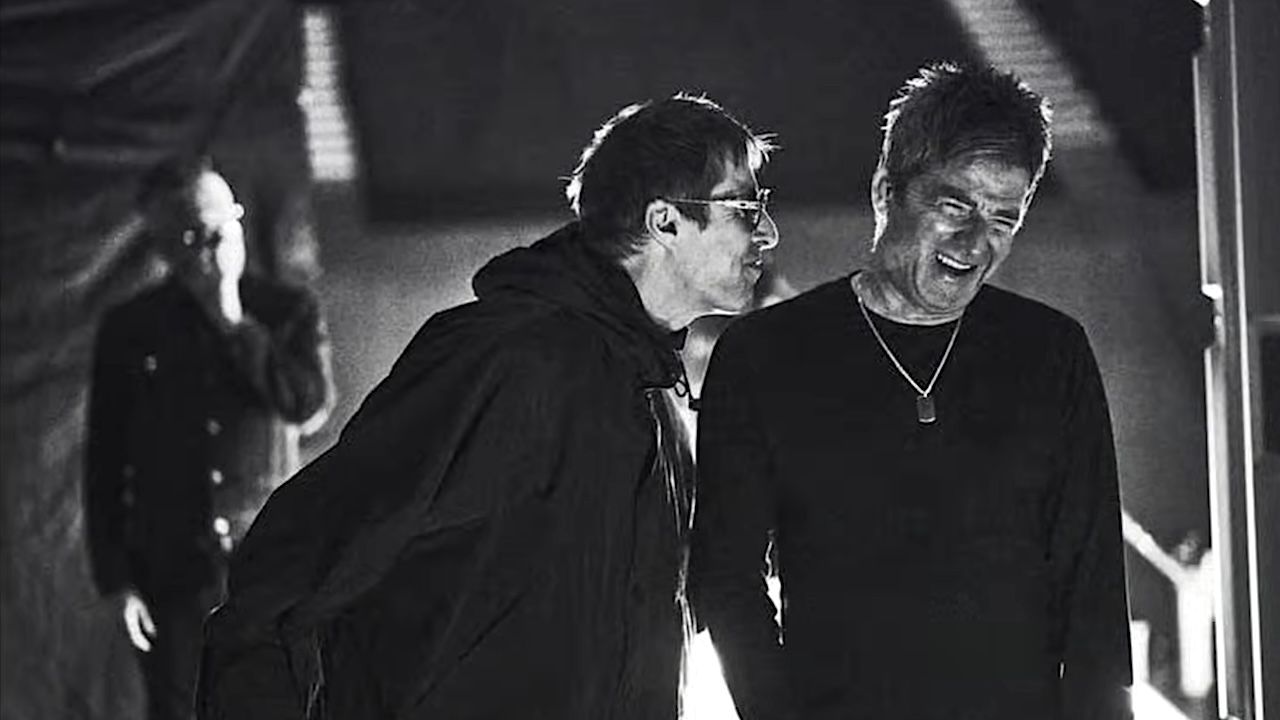 Oasis: Don't Look Back In Anger might be the best film ever made about music's ability to emotionally impact vast crowds. It's also brilliant, Olympic-level marketing for 2027's biggest tour
Don't Look Back In Anger proves surprisingly moving Oasis reunion tour doco
In the early days of Oasis’s rise, their ubiquitous presence in media and airwaves provoked backlash among certain listeners, particularly those who prided themselves on musical exclusivity. The widespread saturation of tracks like “Champagne Supernova” contributed to a growing sense of fatigue and dismissal. Critics often cited the band’s apparent emulation of The Beatles and found fault with Liam Gallagher’s distinctive vocal style.
Related music video
Selected for this story · Published within the last two years
This skepticism was also influenced by a generational propensity to reject mainstream popularity as a marker of quality, a common stance among Gen X music aficionados during the 1990s. Such attitudes positioned Oasis as emblematic of commercial excess rather than artistic merit.
However, direct exposure to their live performances began to shift some of these entrenched opinions. Several years following their initial prominence, encounters with Oasis’s concerts revealed a raw energy and passion that contrasted with earlier assumptions. The band's intensity on stage and the reciprocal connection with their audience showcased a potent authenticity that studio recordings alone had not conveyed.
One notable turning point occurred during a 2001 tour featuring Oasis alongside The Black Crowes and Spacehog, dubbed the "Tour of Brotherly Love." Attendees initially skeptical of Oasis’s draw found themselves impressed by the band’s live sound and fervor. This tour provided a pivotal experience for fans who had previously discounted Oasis, highlighting their ability to deliver compelling rock performances.

The documentary incorporates both archival footage and recent reunion performances, underscoring the band’s continuing vitality. It emphasizes the mutual energy exchange between the Gallaghers and their fans, a dynamic central to the band’s sustained popularity despite divisive opinions.
Although some tracks remain contentious among critics and fans alike, a broader appreciation for Oasis’s catalog has emerged. The band’s influence on the rock genre and their role in shaping 1990s music culture are increasingly recognized, transcending earlier dismissals.
This reappraisal is part of a wider phenomenon in music fandom wherein initial prejudices give way to nuanced understanding, often through live experiences and retrospective media. Oasis’s trajectory from bandwagon backlash to respected legacy exemplifies this evolution.
As Oasis prepares for future tours and continues to engage with audiences old and new, their story serves as a testament to the enduring power of rock music to challenge preconceptions and inspire loyalty. The release of the documentary further cements their status as a significant cultural force, inviting fresh evaluations of their artistic contributions.
Full story & global impact
This article was synthesized and rewritten by MusicTop Editorial from reporting published by cinemablend.com. Read the publisher's report for the complete source context.
Read original source: cinemablend.com