Could a Musician Ever Win the Nobel Prize Again?
Published October 19, 2026 · US
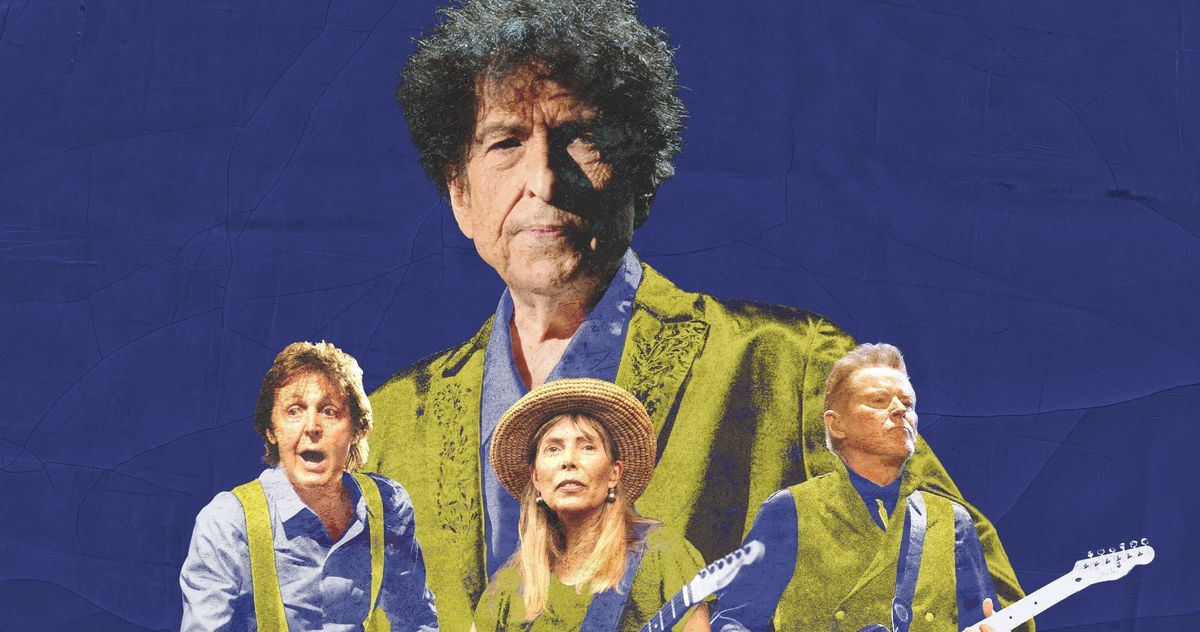
Could a musician ever win the Nobel Prize again after Bob Dylan’s win ten years ago? And if so, who? Music critics and analysts have some ideas: ‘It’s Don Henley.’
A decade has passed since Bob Dylan became the first musician to receive the Nobel Prize in Literature, a groundbreaking decision that expanded the prize's traditional boundaries. Awarded for his innovative poetic contributions to the American song tradition, Dylan's selection remains a landmark moment in the history of the Nobel Foundation. Since then, the prize has returned to more conventional literary figures, leaving open the question of whether another musician might ever be honored similarly.
Dylan’s Nobel win was notable not only for recognizing songwriting as literature but also for sparking debate about the criteria the Nobel Committee uses when making its choices. Some critics argue that the prize, while prestigious, does not necessarily confer an absolute seal of greatness and that political factors and lobbying efforts played a role in Dylan's selection. Nevertheless, the recognition confirmed the cultural and literary weight of his work, setting a precedent for rock and folk musicians in particular.
Related stories


Music journalists and analysts remain divided on who could be the next musician to earn a Nobel Prize in Literature. Joni Mitchell frequently emerges as a leading candidate, praised for her poetic lyricism and the cultural resonance of her work, which some see as especially relevant in modern sociopolitical contexts. Mitchell's catalog is often highlighted for its consistent quality and depth, suggesting a potential alignment with the Nobel's evolving appreciation for songwriting as a form of literature.
Another frequently mentioned contender is Don Henley of The Eagles, whose songwriting achievements include some of the best-selling records in American music history. Advocates for Henley emphasize his lyrical craftsmanship and the widespread public embrace of his music, suggesting that commercial success need not diminish literary merit. Henley’s solo work, particularly songs like "The End of the Innocence," is cited as embodying the poetic qualities that the Nobel Committee recognized in Dylan’s work.
Paul McCartney also figures prominently in discussions about future Nobel laureates among musicians. His extensive influence on popular music and songwriting continues to be recognized by critics, though some suggest his peak creative contributions belong to an earlier era. The Nobel's rules prohibiting posthumous awards exclude late icons like Leonard Cohen and Warren Zevon, though their legacies remain influential in conversations about music and literature.
Contemporary artists, especially from younger generations, face skepticism regarding their eligibility for such honors. Critics point to a perceived decline in the cultural leadership of music compared to the transformative impact it had in the 1960s and 1970s. While figures like Kendrick Lamar and Jay-Z have received significant accolades, including a Pulitzer Prize for Lamar, the Nobel Prize in Literature has yet to recognize musicians from the hip-hop genre. Some analysts view current mainstream music as lacking the lyrical profundity or cultural gravitas associated with past Nobel honorees.
Age and generational shifts within the Nobel Committee itself are also seen as factors influencing future awards. The committee's members, often older and steeped in classical literary traditions, may gradually become more receptive to awarding musicians as rock and related genres have entrenched themselves as dominant cultural forces for over half a century. This shift could open doors to recognizing artists whose work blends literary expression with musical innovation.
Despite ongoing debates, a consensus among many commentators is that Dylan’s win remains exceptional and challenging to replicate. His unique vocal style and the fusion of poetry with music in a way that challenged traditional norms set a precedent that few, if any, have matched since. The Nobel Prize’s acknowledgment of Dylan elevated the status of songwriting and broadened the conversation about what constitutes literature in the modern era.
As the Nobel Prize continues to evolve, the possibility of honoring another musician depends not only on the artists' output but also on the cultural and political climate influencing the committee’s decisions. While figures like Joni Mitchell and Don Henley symbolize strong contenders rooted in past decades, the landscape of contemporary music and literature suggests that future laureates might emerge from unexpected quarters or through a continued redefinition of artistic merit.
In summary, the question of whether a musician can win the Nobel Prize in Literature again remains open. The legacy of Dylan’s award ten years ago has both expanded and complicated the criteria for literary excellence. As the music and literary worlds continue to intersect, observers will watch closely for the committee’s next move, mindful that the prize’s history reflects not only artistic achievement but cultural negotiation and transformation.
Full story & global impact
This article was synthesized and rewritten by MusicTop Editorial from reporting published by vulture.com. Read the publisher's report for the complete source context.
Read original source: vulture.com