Audrey Hobert's Favorite Films, Books, Music, and More | Starter Pack
Published October 19, 2026 · US
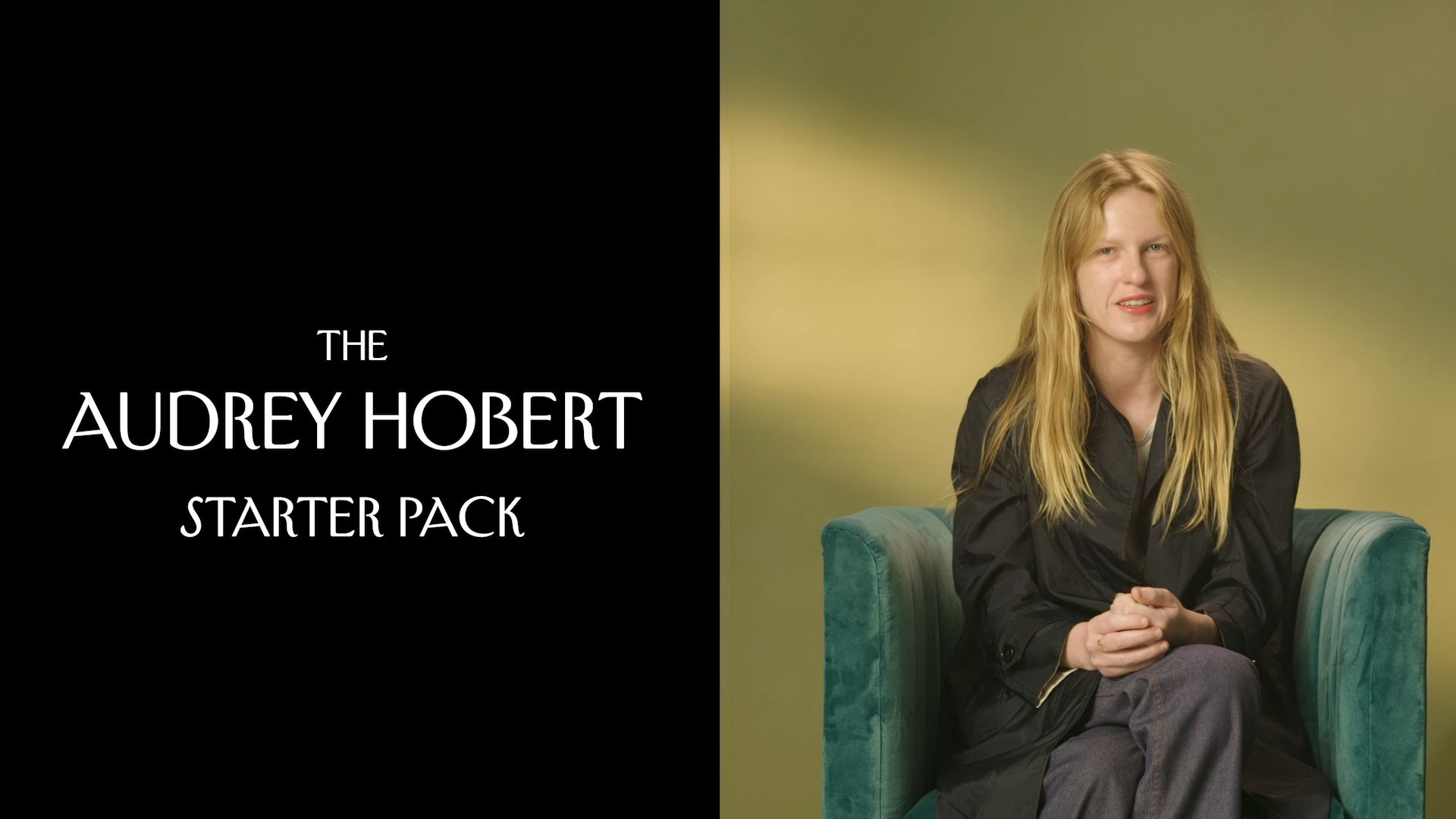
For The New Yorker’s Starter Pack Series, the musician Audrey Hobert shares the films, books, and music that have inspired her. The pop singer and songwriter discusses the Carole King song she wishes she wrote, Sylvia Plath’s “The Bell Jar,” and the five song…
Audrey Hobert, a rising figure in contemporary pop music, offers a revealing glimpse into the cultural touchstones that have shaped her artistic identity. In a recent feature for The New Yorker’s Starter Pack series, Hobert discusses an eclectic range of inspirations spanning literature, cinema, and music that inform both her songwriting and performance ethos.
Among the cinematic influences she cites is the animated film Cars, which she connects to themes of friendship and humility. The story’s protagonist, Lightning McQueen, finds himself transformed by the community in Radiator Springs, embodying values Hobert admires and wishes to emulate. She specifically highlights characters like Tow Mater and Flo as examples of grounded kindness, qualities she aspires to mirror in her personal and professional relationships.
Related stories


Hobert’s literary preferences also reveal a depth that complements her musical pursuits. She expresses a particular admiration for Sylvia Plath’s The Bell Jar, a novel she encountered later in her youth but which resonated deeply during a period of personal struggle. The book’s exploration of mental health and identity continues to hold significant meaning for her. Additionally, she mentions currently reading Bad Blood by John Carreyrou, indicating her interest in contemporary non-fiction that probes complex human narratives.
Music remains central to Hobert’s creative process and daily routine. She curates a pre-performance playlist that energizes and centers her before taking the stage. This selection includes a diverse set of artists such as Madonna, My Bloody Valentine, Feeble Little Horse, and John Maus, reflecting her wide-ranging taste and the varying moods she seeks to embody during live shows.
Hobert also reveals an ongoing admiration for the work of Charli XCX, whose recent album she regards as a major source of inspiration. The impact of Charli XCX’s innovative pop sound and songwriting has motivated Hobert, who is preparing to open for her on tour. This opportunity marks a milestone in Hobert’s career, underscoring her position within a new generation of pop artists pushing creative boundaries.
Interestingly, Hobert’s relationship with music has evolved since she began writing her own songs. While she once sought refuge and motivation in listening to favorite tracks, her current focus is more on creation than consumption. This shift illustrates the transformation many artists experience as they transition from fans to active contributors in the music landscape.
Her collaborative experiences include writing for Charlie Puth, whom she regards as a melodic innovator. Despite her respect for his craft, Hobert expresses a cautious perspective on collaboration, preferring to establish her own artistic footing before engaging in high-pressure projects with established figures.
Beyond contemporary music, Hobert enjoys revisiting classic albums on vinyl, finding comfort and joy in the tactile ritual of playing records while engaging in daily tasks. This connection to music’s physical and historical dimensions enriches her appreciation for the art form.
Hobert’s musical inspirations are also deeply personal, often tied to specific moments in her life. She recalls songs like Beyoncé’s Crazy in Love and Irreplaceable as soundtrack elements during high school, helping her manage stress through their compelling melodies and beats. This personal history informs her understanding of music as both an emotional outlet and a source of creative fuel.
Ultimately, Audrey Hobert’s reflections reveal an artist committed to authenticity and continuous exploration. Her eclectic influences, disciplined approach to performance, and thoughtful engagement with diverse media illustrate a multifaceted creative spirit. As she navigates the early stages of her career, Hobert’s evolving relationship with music and storytelling positions her as a compelling voice in modern pop culture.
Full story & global impact
This article was synthesized and rewritten by MusicTop Editorial from reporting published by newyorker.com. Read the publisher's report for the complete source context.
Read original source: newyorker.com