A Tour Through the Graveyard of Failed Celebrity Brands
Published October 19, 2026 · US
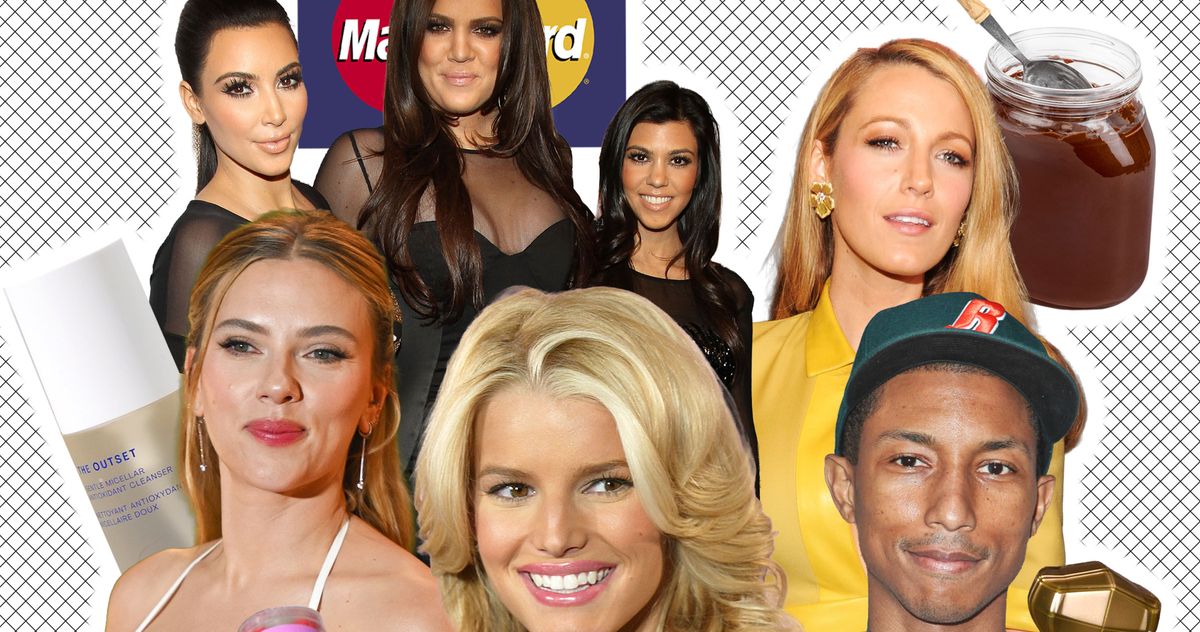
Not every celebrity brand can be a Casamigos or a Skims. But some shuttered are so legendary, they will never truly leave the public consciousness. The concepts? Nonsensical. The marketing? Misguided. The stars? Confident it will all work out.
Celebrity-backed brands often attract significant attention due to their star power, yet many fail to translate fame into sustainable business success. While a few like Casamigos and Skims have flourished, numerous ventures have shuttered quietly or spectacularly, highlighting the unpredictable nature of celebrity entrepreneurship.
Scarlett Johansson’s skin-care line, The Outset, provides a recent example of such challenges. Launched with products like vegan collagen serums and caffeine-infused scrubs, the brand operated for four years before winding down operations in late 2023. Characterized by minimalist packaging and modest marketing efforts, The Outset struggled to build a lasting customer base, illustrating how even high-profile names cannot guarantee market traction.
Related stories



This pattern is not new. Natalie Portman’s vegan shoe collection from 2008 and the eco-conscious diaper company co-founded by Kristen Bell and Dax Shepard, which filed for bankruptcy in 2023, similarly failed to sustain momentum. Johansson also experimented with a Parisian popcorn boutique, Yummy Pop, which closed in 2020, underscoring the unpredictable outcomes of celebrity ventures outside their core professions.
Some celebrity brand failures are remembered less for their commercial impact and more for their eccentricity. Jessica Simpson’s 2004 venture into edible cosmetics, launched amid the popularity of her reality show Newlyweds, combined novelty with controversy. The line offered products like crème brûlée-scented perfumes and creamsicle lip glosses but faced production issues, customer complaints, and coincided with Simpson’s personal upheavals. Despite the brand folding by 2006, its unconventional concept remains a cultural footnote in celebrity branding history.
Music icon Pharrell Williams’ attempt to enter the beverage market with Qream, a cream liqueur targeting independent women, also met an early demise. Introduced in 2011 through a partnership with Diageo, the product was discontinued just 18 months into a three-year agreement amid disputes over marketing strategies. Williams alleged that Diageo misrepresented the brand as a club drink rather than a luxury leisure product, leading to legal action that concluded without public resolution. Qream’s limited release and swift disappearance underscore the complexities of brand positioning and corporate partnerships.
The Kardashian sisters’ early business misstep came shortly after their reality TV debut. In 2010, they launched the Kardashian Kard, a prepaid Mastercard that attracted criticism for high fees and predatory practices. Regulatory scrutiny prompted the family to sever ties with the issuing bank within weeks. This episode highlights the pitfalls celebrities face when entering financial services without thorough consumer safeguards, though the Kardashians have since found success in wellness and fashion sectors.
Blake Lively’s 2014 lifestyle website, Preserve, diverged from mainstream celebrity branding by embracing a niche aesthetic focused on southern heritage. The platform offered artisanal goods and fashion editorials but struggled to define its mission clearly and achieve meaningful consumer impact. Lasting just over a year, Preserve closed amid reflections on its inability to resonate broadly. Lively’s subsequent ventures into nonalcoholic mixers and hair care have maintained her entrepreneurial presence, though timing and market fit remain critical variables.
These varied cases demonstrate that celebrity influence alone does not assure business viability. Factors such as clear brand identity, product-market fit, marketing execution, and timing substantially affect outcomes. Moreover, some celebrity brands falter due to conceptual misalignment or regulatory challenges, underscoring the necessity for strategic planning and professional management.
While many shuttered celebrity brands fade into obscurity, their stories offer instructive examples about the risks and rewards of leveraging fame in commercial endeavors. As stars continue to diversify their portfolios, the lessons gleaned from past failures will likely shape future ventures, emphasizing that celebrity status must be coupled with sound business acumen to endure.
Full story & global impact
This article was synthesized and rewritten by MusicTop Editorial from reporting published by thecut.com. Read the publisher's report for the complete source context.
Read original source: thecut.com