Winnipeg Is 500 Miles From Anywhere. That’s Exactly Why Its Music Hits So Hard.
Published October 19, 2026 · US
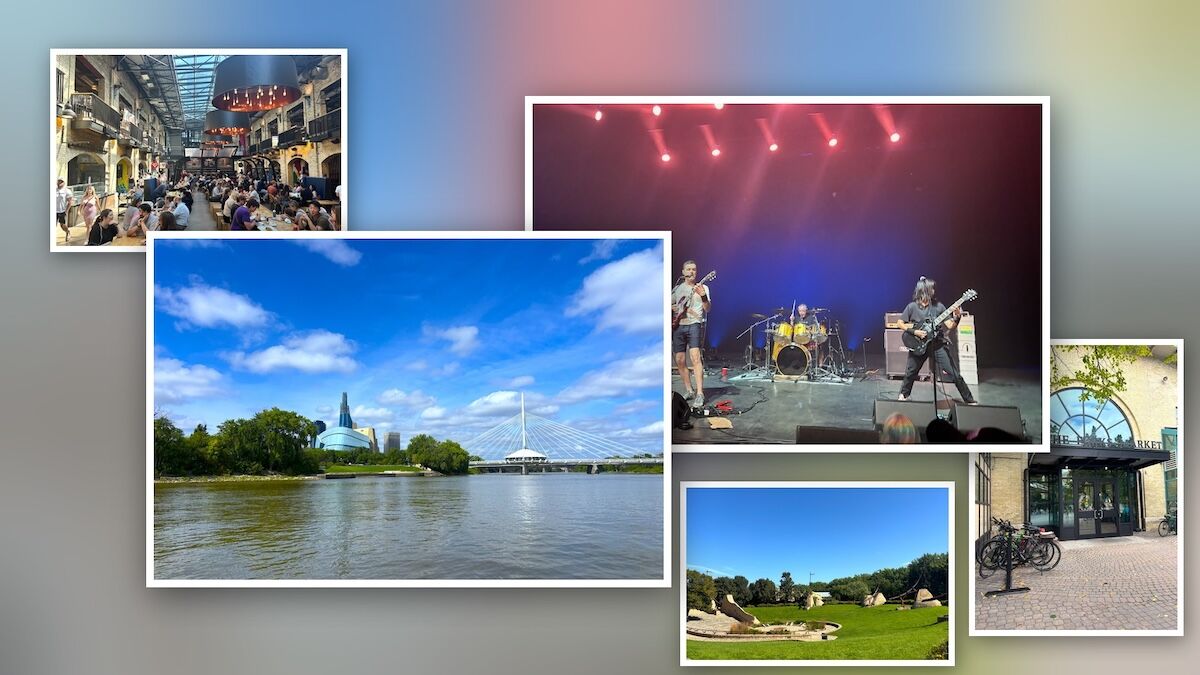
A punk fan flies to Winnipeg for a Propagandhi show and discovers how a 1919 strike, 50 community clubs, and prairie isolation built Canada’s loudest music city.
Nestled in the heart of the Canadian prairies, Winnipeg stands apart as a city whose geographic remoteness and deep-rooted social struggles have forged a distinctive and resilient music culture. Despite being nearly 500 miles from the nearest major metropolis, this isolation has cultivated a fiercely supportive environment for local musicians and bands, fostering a scene that resonates far beyond the city limits.
Winnipeg’s musical spirit cannot be separated from its historical landscape. The city’s legacy of labor activism, particularly the landmark 1919 General Strike, set a tone of defiance and collective action that continues to influence its cultural output. During this massive strike, which effectively halted the city over demands for improved wages and working conditions, the groundwork was laid for a blue-collar identity that permeates Winnipeg’s ethos.
Related stories


This working-class narrative is reflected in the music community’s attitude—an underdog resolve that emboldens artists to challenge norms and speak out. Bands like Propagandhi, known for their politically charged punk sound and advocacy on social issues, have emerged from this environment. Although technically from nearby Portage la Prairie, Propagandhi’s connection to Winnipeg’s scene exemplifies the city’s capacity to nurture acts that combine musical intensity with social consciousness.
The city's commitment to human rights and social justice extends beyond labor history. The Canadian Museum for Human Rights, a striking architectural landmark, anchors Winnipeg’s ongoing engagement with progressive causes. Indigenous rights movements, including the solidarity efforts against economic and cultural displacement, have been integral to the city’s identity. The 2017 Winnipeg Indigenous Accord signifies a collective step toward reconciliation, reflecting a broader commitment that also surfaces in local music themes.
Winnipeg’s Indigenous heritage is vividly present at The Forks, a central gathering place where the Assiniboine and Red rivers meet. This site is home to monuments honoring Missing and Murdered Indigenous Women, Girls, and Two-Spirit individuals, demonstrating the city’s acknowledgment of systemic injustices and its cultural diversity. The space serves not only as a cultural heart but also as a venue where community and art intersect.
The city’s multicultural makeup, including a significant South Asian community alongside the largest urban Indigenous population in Canada, has historically nurtured diverse musical traditions. Early artists often performed within ethnic communities, with Ukrainian socials—a tradition involving lively gatherings with music and dancing—playing a foundational role in developing a vibrant local music industry. These gatherings were crucial in launching the careers of several prominent regional rock bands during the late 20th century.
Winnipeg’s geographic challenges have also contributed to a self-reliant music culture. Being bypassed by major touring acts for decades, local musicians and fans built a supportive grassroots ecosystem. This environment encouraged artists to hone their craft within the community, creating a distinct sound and identity. The city’s “us against the world” mentality, as described by historians, reflects both the determination to succeed despite odds and the pride in local roots.
This spirit is evident in venues like the Times Change(d) High and Lonesome Club, celebrated for its embrace of roots music and fostering of a welcoming atmosphere. The city also prepares to spotlight its musical heritage on a national stage, with the JUNO Awards scheduled to return to Winnipeg in 2027. Such events reaffirm the city’s role as a significant cultural hub within Canada.
Winnipeg’s music scene is also marked by its political engagement. While some argue that political themes are not universally dominant in the city's music, exceptions like Propagandhi showcase the potential for socially conscious expression. Other bands, like The Weakerthans, channel a more introspective ethos, reflecting the varied approaches within the local scene.
Ultimately, Winnipeg’s music is inseparable from its history of struggle, resilience, and communal solidarity. The visible reminders—murals celebrating union solidarity, monuments commemorating social justice battles, and the thriving cultural spaces—underscore how this prairie city continues to produce musicians whose voices are both loud and purposeful. Matadornetwork.com’s exploration highlights that Winnipeg’s sound is born not only from its isolation but from a rich tapestry of social movements and cultural intersections that empower artists to speak boldly through their craft.
Full story & global impact
This article was synthesized and rewritten by MusicTop Editorial from reporting published by matadornetwork.com. Read the publisher's report for the complete source context.
Read original source: matadornetwork.com