Best A Perfect Circle Album - 'Mer De Noms' vs. 'Thirteenth Step'
Published October 26, 2026 · US
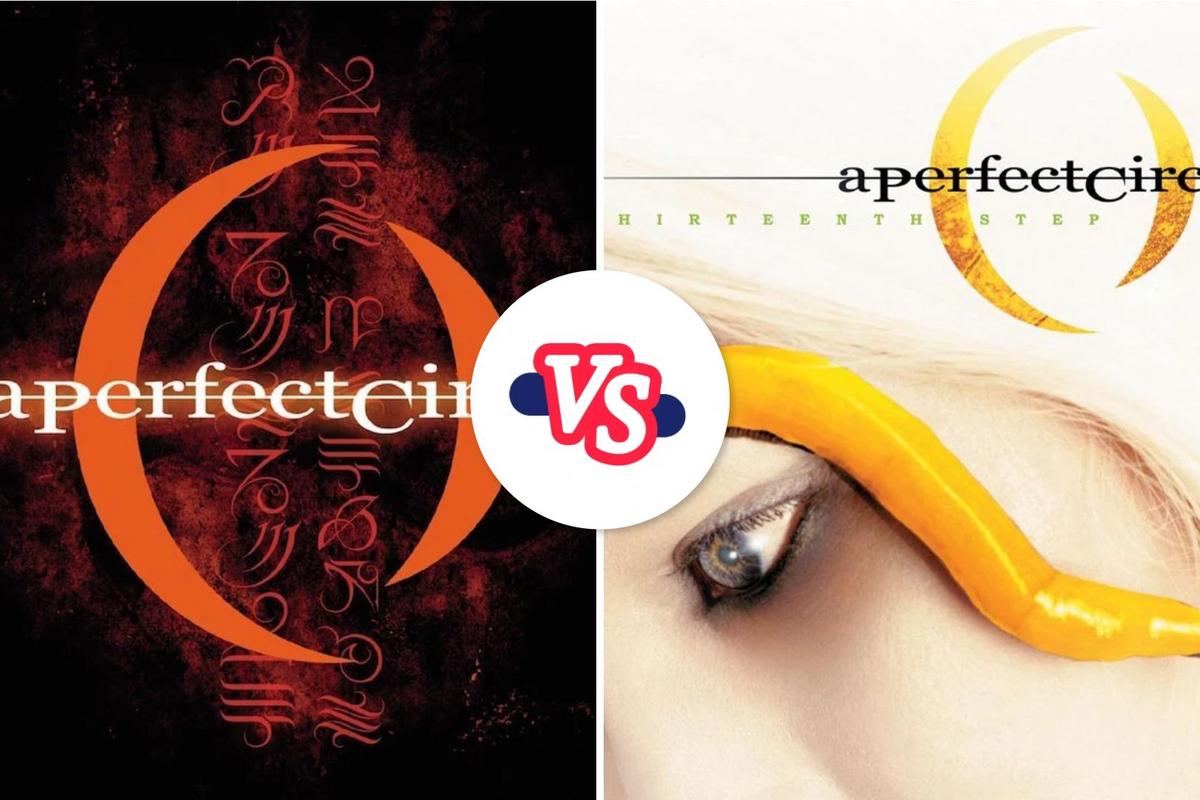
Here's your chance to tell us which is the better A Perfect Circle album - 'Mer De Noms' or 'Thirteenth Step.' Continue reading…
Since their emergence at the turn of the millennium, A Perfect Circle has been a defining force in alternative rock, blending introspective lyricism with intricate musical arrangements. Central to their sound are the collaborative efforts of guitarist Billy Howerdel and vocalist Maynard James Keenan, whose partnership shaped the band’s distinctive identity. The question of which album stands as their definitive work—whether their debut Mer De Noms or the follow-up Thirteenth Step—remains a topic of ongoing discussion among fans and critics alike.
Mer De Noms, released in 2000, marked the band’s official entry into the rock landscape. This album showcased Keenan in a new light, stepping outside his role with Tool to explore a more melodic and emotionally charged vocal approach. The record’s opening single, "Judith," immediately set a tone of raw intensity, while tracks such as "3 Libras," "The Hollow," and "Magdalena" offered a nuanced balance of atmospheric depth and lyrical vulnerability.
Related stories



The commercial reception of Mer De Noms was significant; it climbed to number four on the charts and achieved platinum certification, signaling widespread recognition. The album’s success can be attributed not only to its strong songwriting but also to the fresh chemistry between Howerdel and Keenan, a dynamic that sparked critical acclaim and cultivated a dedicated fanbase.
Following this strong debut, A Perfect Circle expanded their lineup to include notable musicians Jeordie White and Danny Lohner for their second album, Thirteenth Step, released in 2003. This record demonstrated the band’s evolution as a cohesive unit, with the fuller instrumentation and layered production reflecting a matured sound.
Thirteenth Step’s lead single, "Weak and Powerless," received substantial radio play and cemented the album’s commercial impact. Additional songs such as "The Outsider," "Pet," "Blue," and "The Noose" further showcased the band’s capability to blend atmospheric moodiness with compelling melodies, engaging listeners on multiple levels.
The album surpassed its predecessor in chart performance, reaching number two, and matched its platinum sales status, underscoring A Perfect Circle’s growing prominence in the rock genre. The progression from Mer De Noms to Thirteenth Step illustrates the band’s artistic development, moving from a project initially defined by its members’ individual reputations to a unified creative force.
Loudwire’s recent examination of the band’s catalog invites fans to weigh in on which album resonates more strongly, with discussions and debates unfolding across various platforms. The comparison highlights not just the commercial achievements but also the contrasting atmospheres and thematic explorations each album presents.
Mer De Noms is often praised for its immediate emotional impact and raw energy, capturing a moment of artistic inception. In contrast, Thirteenth Step is seen as a more polished and conceptually cohesive work, reflecting the band’s growth and willingness to explore darker and more complex themes.
While the debate over which album is superior continues, both records contribute significantly to the legacy of A Perfect Circle. They illustrate a trajectory of artistic collaboration and musical innovation that has sustained the band’s relevance and influence over two decades.
Listeners looking to understand the band’s evolution are encouraged to experience both albums in sequence, appreciating the foundational intensity of Mer De Noms alongside the refined complexity of Thirteenth Step. Together, they offer a comprehensive portrait of A Perfect Circle’s contribution to modern rock.
Full story & global impact
This article was synthesized and rewritten by MusicTop Editorial from reporting published by loudwire.com. Read the publisher's report for the complete source context.
Read original source: loudwire.com