Very chaotic, not at all good: Why does everything in music feel fake right now?
Published October 27, 2026 · US
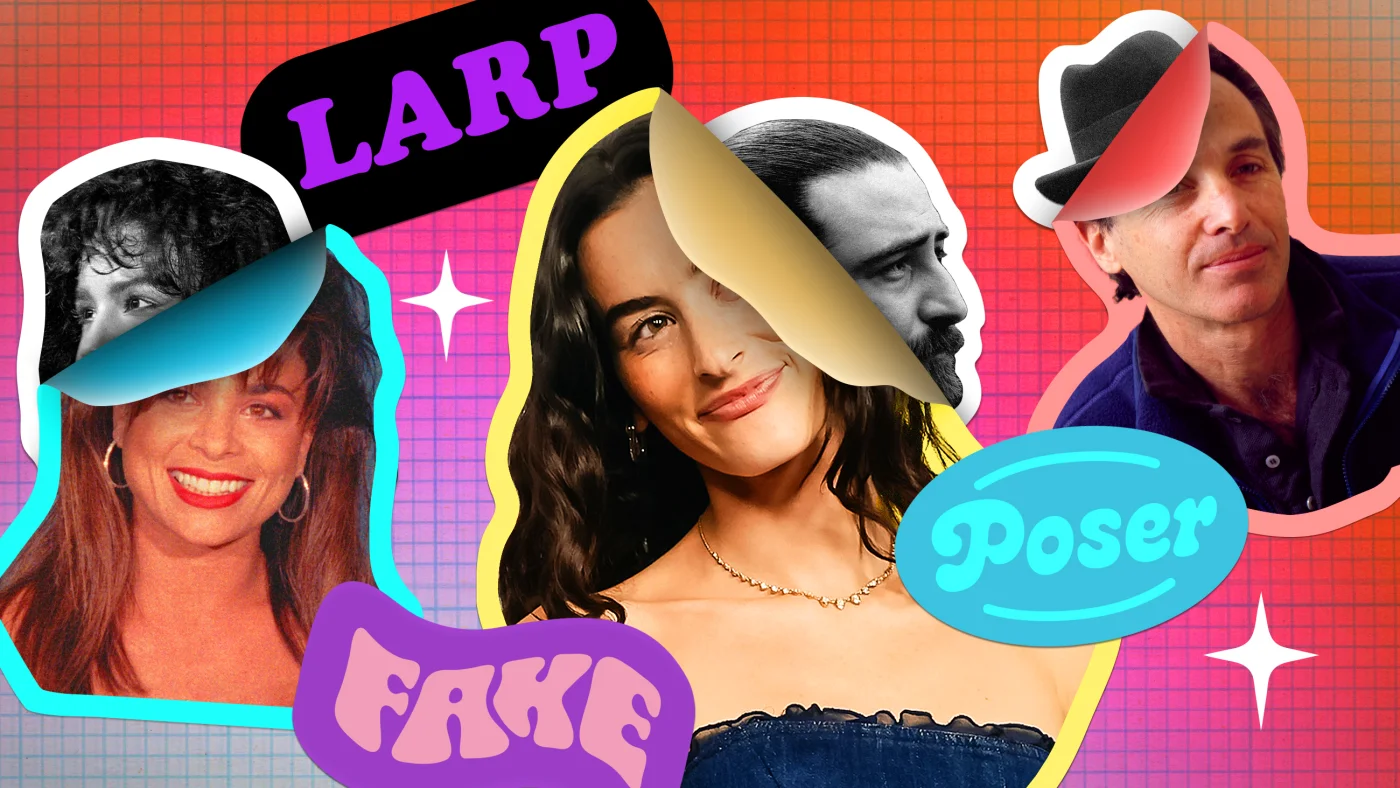
"Is it real?" is the most pressing question in music in 2026, and it's one that feels impossible to adequately answer, in almost any context.
In 2026, the music industry finds itself at a crossroads where questions about authenticity have become central to its discourse. This preoccupation with what constitutes 'real' music has permeated conversations across genres and platforms, reflecting broader cultural anxieties about artistic integrity and technological influence.
The current climate is marked by a pervasive sense of uncertainty regarding the genuineness of musical content. Advances in production technology, including AI-generated compositions and hyper-polished studio techniques, have blurred the lines between human creativity and artificial manipulation. This fusion challenges traditional notions of authorship and emotional sincerity in music.
Related stories


Listeners and critics alike grapple with discerning the origins and intentions behind new releases, often questioning whether the music reflects genuine artistic expression or a manufactured product designed for mass appeal. This skepticism extends beyond production to include marketing tactics and social media presence, where curated personas sometimes overshadow the music itself.

The implications of this authenticity crisis are significant. It affects how audiences connect with artists and their work, potentially altering the emotional resonance and cultural impact of music. For creators, navigating these expectations involves balancing innovation with maintaining a credible artistic identity.
Industry stakeholders are responding to these challenges in varied ways. Some embrace the technological tools to expand creative possibilities, while others advocate for a return to more traditional methods that emphasize raw performance and organic sound. The tension between these approaches illustrates the ongoing negotiation of what authenticity means in contemporary music.
Despite the prominence of this issue, concrete solutions remain elusive. The debate continues without a clear consensus on how to reconcile technological advancements with the desire for authentic artistic experiences. This ongoing dialogue underscores the complexity of defining authenticity in a rapidly evolving musical landscape.

While specific examples of artists, releases, or events were not detailed in the available information, the overarching theme reveals a deep-seated challenge facing the industry. As music continues to evolve alongside technology and cultural shifts, the question of what is real remains a compelling and unresolved inquiry.
In summary, 2026's music scene is characterized by a heightened scrutiny of authenticity, reflecting broader societal concerns and technological transformations. The industry's future will likely depend on how artists, producers, and audiences navigate these evolving dynamics, seeking meaningful connections amid an increasingly complex sonic environment.
Full story & global impact
This article was synthesized and rewritten by MusicTop Editorial from reporting published by npr.org. Read the publisher's report for the complete source context.
Read original source: npr.org