How to Go Behind the Scenes at New York’s Lincoln Center
Published November 2, 2026 · US
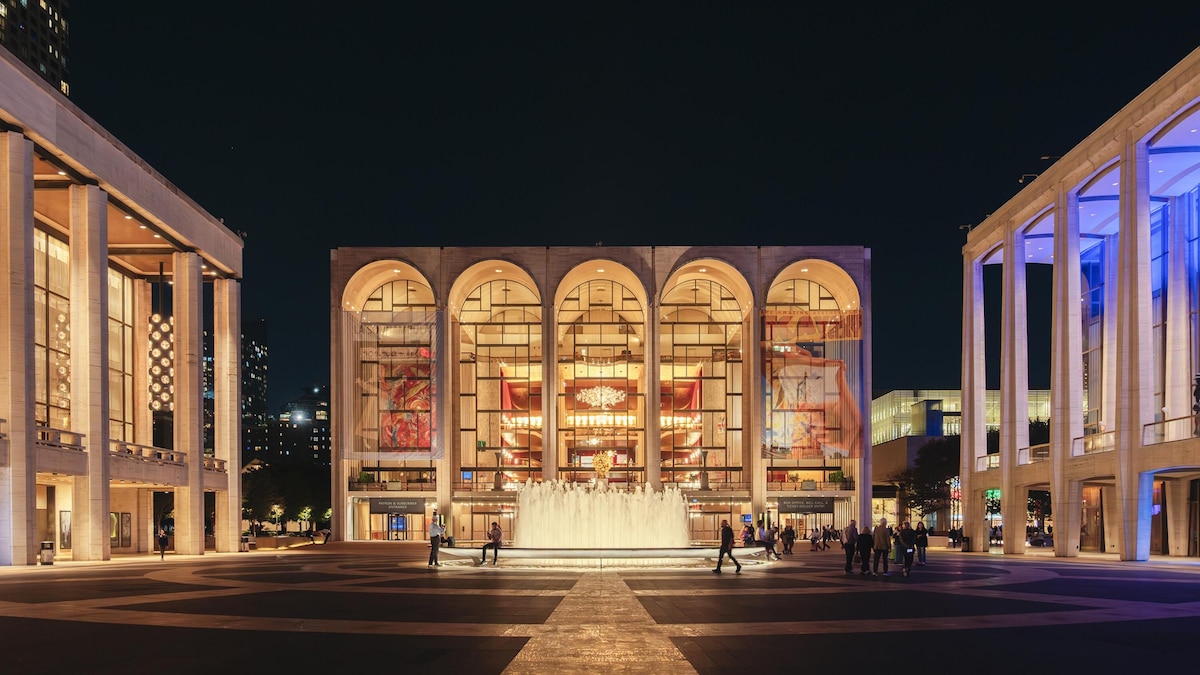
These ever-changing guided tours allow visitors to peek behind the curtains at one of New York’s most important cultural institutions — home to the New York Philharmonic, the Metropolitan Opera, Juilliard, the School of American Ballet and more.
Lincoln Center for the Performing Arts, a cornerstone of New York City's cultural landscape, offers an extraordinary glimpse behind its iconic stages through specialized guided tours. These tours provide rare access to spaces usually reserved for performers and staff, including the New York Philharmonic’s David Geffen Hall, the Metropolitan Opera, Juilliard, and the School of American Ballet.
David Geffen Hall, originally opened in 1962, marked a significant milestone as the Philharmonic’s first dedicated concert venue since its 1842 inception. However, the hall’s initial design—seating 2,800 in a room meant for 2,200—led to persistent acoustic challenges that hampered the listening experience for decades. A comprehensive renovation completed between 2020 and 2022 addressed these issues through a substantial redesign.
Related stories

The renovation removed 500 seats and eliminated the proscenium arch, enabling the audience to surround the stage and creating a more immersive environment. The auditorium now features sculpted wooden panels that enhance sound reflection and resonance, resolving longstanding problems and allowing musicians to hear one another clearly during performances. This overhaul was described as a fundamental transformation, sparing only the ceiling from change.
Related music video
Selected for this story · Published within the last two years
The tours, guided by experienced staff with deep ties to the performing arts community, adapt depending on the day's schedule. Visitors may witness rehearsals or stage preparations, presenting a dynamic view of the center’s operations. One guide, with a background in dance and television, highlights the vibrant daily activity across the complex, particularly during ballet season.
Lincoln Center spans 16 acres in Manhattan’s Upper West Side and hosts an array of prestigious organizations including the New York City Ballet, the Metropolitan Opera, and various educational institutions dedicated to the arts. Through initiatives like “choose-what-you-pay” performances and outreach programs for schoolchildren, Lincoln Center strives to make high-caliber arts accessible to a broad audience.
Backstage tours reveal the contrasting atmosphere behind the scenes. Where the audience once sat, visitors can now stand in the shoes of performers preparing to debut on world-renowned stages. This shift in perspective underscores the center's role not only as a venue but as a living ecosystem of artistic creation.

The revitalized acoustics of David Geffen Hall represent a culmination of decades of effort to perfect the sound environment. This achievement enhances both the performers' experience and the audience’s enjoyment, reaffirming the hall’s status as a premier concert venue.
In addition to classical music and ballet, Lincoln Center supports a diverse range of performances, including jazz at venues like Dizzy’s Club. These spaces celebrate the rich history of various musical traditions while situated amid New York City's distinctive skyline.
The ongoing evolution of Lincoln Center reflects its commitment to preserving artistic heritage while embracing innovation, making it a vital cultural institution for both locals and visitors. As the center continues to open its doors more widely through tours and public programs, it offers an unparalleled opportunity to engage with the arts beyond the proscenium.
Full story & global impact
This article was synthesized and rewritten by MusicTop Editorial from reporting published by nationalgeographic.com. Read the publisher's report for the complete source context.
Read original source: nationalgeographic.com