The Tim Ferriss Show Transcripts: Lucky #888 — My Tour of Designing Luck in China, Japan, and Korea
Published November 6, 2026 · US
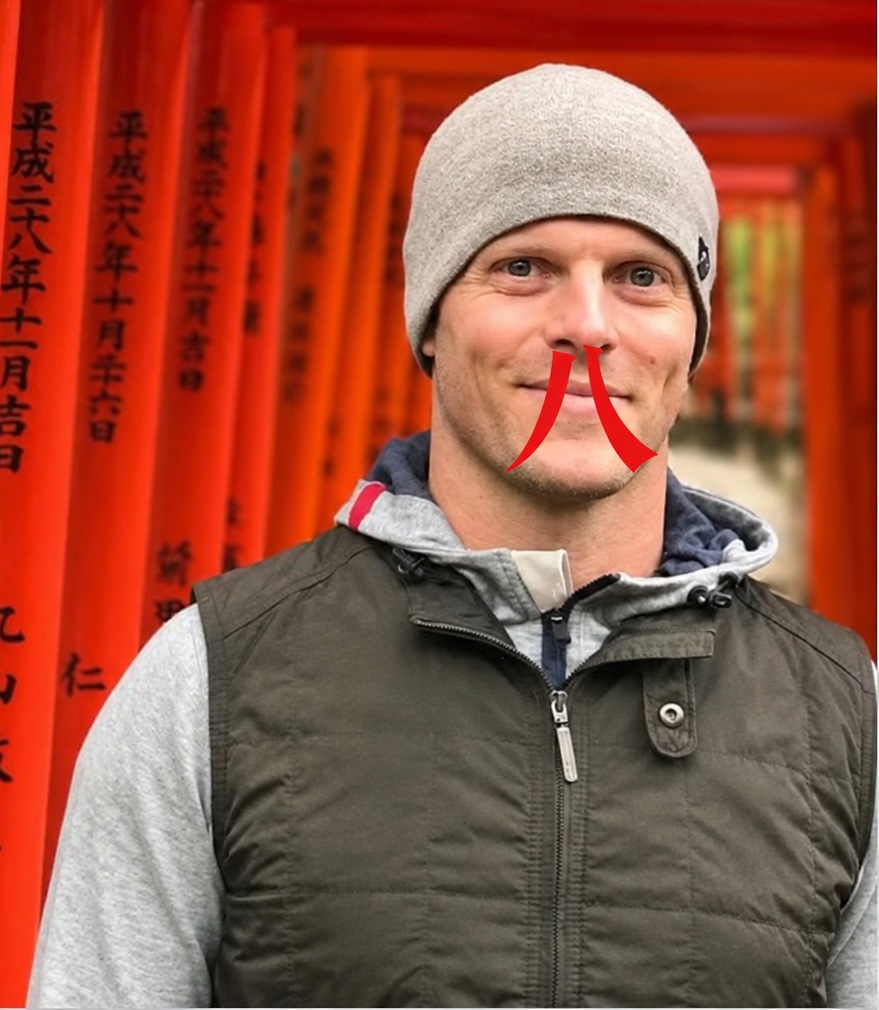
Please enjoy this transcript of a special episode of The Tim Ferriss Show, featuring not a guest but a number. As this is episode #888, I couldn’t resist going down a rabbit hole about the number eight and what it can tell us about luck, language, money, and …
The number eight holds a unique position in East Asian cultures, intertwining linguistics, superstition, and commerce in remarkable ways. Its significance extends beyond mere superstition, influencing consumer behavior, architectural design, and even corporate branding across China, Japan, and Korea.
At the core of this phenomenon is the phonetic similarity in Mandarin between the word for the number eight, pronounced "bā," and the term for wealth or fortune, "fā." This linguistic link forms the basis of eight’s association with prosperity and good luck. This affinity is especially pronounced in Cantonese, where the phonetic resemblance is even closer, reinforcing the number's status as a symbol of good fortune. This connection is deeply embedded in cultural expressions such as the common New Year greeting “gōngxǐ fācái,” which conveys wishes for prosperity.
Related stories


The commercial impact of this belief is substantial. High-profile examples include Sichuan Airlines’ acquisition of the phone number 8888-8888 in 2003 for approximately $280,000 USD, a sum justified by the number's memorability and its perceived ability to attract good fortune. This purchase illustrates how superstition can intersect with marketing strategies to enhance brand appeal.
Similarly, luxury license plates featuring the digit eight command extraordinary prices. In a notable instance, a registration mark containing double eights sold for around $1.5 million USD at a Hong Kong government auction in early 2025. Such transactions reflect a market where symbolic numbers translate directly into tangible economic value.
The Beijing Olympics in 2008 showcased the cultural importance of eight on an international stage. The opening ceremony was deliberately scheduled for 8 p.m. on August 8, 2008 (08/08/08), a date saturated with eights to maximize auspicious symbolism. Coinciding with this, Beijing recorded over 15,600 marriages on that day, underscoring the number’s cultural resonance in moments of personal significance.
Beyond numbers in phone lines and dates, the influence of eight permeates architectural design. Shanghai’s Jin Mao Tower, with its 88 floors and octagonal structural elements, embodies the number’s auspicious symbolism in its very construction. This approach is not unique to premium skyscrapers; studies have shown that apartments on floors ending with the number eight in cities like Chengdu tend to sell faster and at higher prices, indicating consumer preference rooted in cultural beliefs.
Conversely, the number four is widely regarded as unlucky due to its phonetic similarity to the word for death in Mandarin, pronounced "sǐ." This aversion manifests in practical ways, including the omission of floors numbered with fours in buildings and the avoidance of the number in various contexts throughout East Asia. This cultural parallel to the Western superstition surrounding the number thirteen illustrates the deep impact of language on social practices.
Casinos offer a vivid example of integrating these numeric beliefs into their operational environments. In Macau, for example, the traditional lucky number for slot machines, 777, was replaced with 888 to appeal to local sensibilities. Additionally, casino designs often incorporate feng shui principles, an ancient practice focused on harmonizing energy flows through spatial arrangement. Architectural decisions, such as rounding sharp building corners to prevent the deflection of positive energy or "chi," demonstrate how superstition and design converge to create spaces that purportedly enhance luck for both patrons and operators.
On an even more personalized level, some casinos tailor private gaming rooms for high rollers based on their birth dates and zodiac signs, blending astrology with feng shui to optimize fortune within these exclusive spaces. This practice underscores the lengths to which establishments will go to attract and retain affluent clients by aligning environments with culturally significant notions of luck.
These examples reveal how the number eight transcends mere symbolism to influence economic transactions, architectural projects, and customer experience design across East Asia. The deliberate incorporation of eight into various domains reflects a sophisticated cultural understanding of luck as both a social construct and a marketable asset.
While not universally embraced, the pervasive role of eight in shaping consumer choices and urban landscapes highlights the enduring power of cultural numerology. This intersection of language, superstition, and commerce presents a compelling example of how traditional beliefs continue to shape modern life and business practices in East Asia.
Full story & global impact
This article was synthesized and rewritten by MusicTop Editorial from reporting published by tim.blog. Read the publisher's report for the complete source context.
Read original source: tim.blog