Summer Walker’s Label LVRN Fires Back With Breach of Contract Counterclaim
Published November 11, 2026 · US

Summer Walker wants out of her deal with LVRN, but the label denies any wrongdoing and has filed a new counterclaim for breach of contract.
R&B singer Summer Walker is embroiled in escalating legal battles with her label Love Renaissance Records (LVRN) and Interscope, as the Atlanta-based label has filed a counterclaim accusing her of breaching their contract. This development follows Walker’s August 2026 lawsuit seeking to terminate her deal with LVRN, which the label vehemently denies.
LVRN’s recent court submission rejects Walker’s accusations of financial mismanagement and oppressive contract terms, instead accusing her of withholding revenue that includes shares from business opportunities, songwriting royalties, and tour proceeds. The label claims Walker stopped paying a 7 percent cut of earnings from her Finally Over It tour and failed to provide a 15 percent portion of income from opportunities it secured on her behalf, as well as 20 percent of songwriting performance royalties.
Related stories
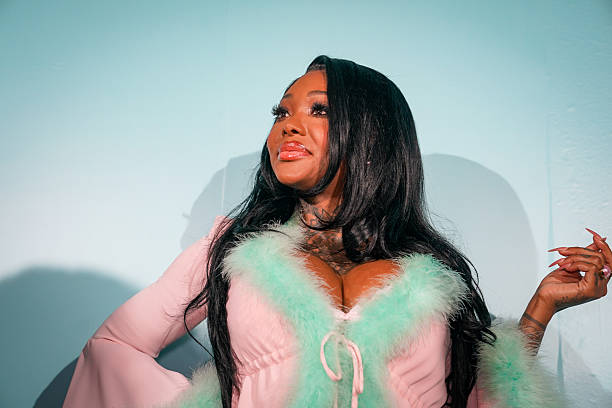
The legal exchange underscores the contentious nature of Walker’s relationship with LVRN, which originally signed her in September 2017. Walker’s lawsuit accuses the label of diverting funds meant for touring, recording, marketing, and merchandise and concealing financial details, charges that LVRN’s counterclaim strongly contests.
Walker’s legal team maintains the artist’s pursuit of fair treatment and the freedom to manage her career independently, disputing the label’s counterclaim and emphasizing the continuing legal and factual basis supporting her lawsuit. Meanwhile, Walker’s management has stressed the importance of equity and transparency for artists, citing her decade of work and the lack of career progression under the contract.
The dispute with LVRN is compounded by a parallel lawsuit filed by Interscope in Los Angeles County Superior Court, which seeks over $50 million in damages. Interscope contends that Walker’s attempt to invoke California’s “seven-year rule” to exit her recording contract breaches the terms of the deal requiring her to deliver five studio albums beyond her earlier projects, Last Day of Summer and CLEAR.
Walker’s attorney has expressed disappointment at Interscope’s decision to sue but confirmed plans to vigorously defend against the claims and pursue countersuits. The artist hopes for a resolution that respects all parties while continuing to focus on her music and fans.
The conflict reflects the complex dynamics of modern artist-label relationships, particularly around legacy contracts signed early in artists’ careers. Walker’s case illustrates broader tensions regarding revenue transparency, contract fairness, and artist autonomy in an era where music industry structures are rapidly evolving.
Financial disputes over touring and royalty shares are critical because they directly affect an artist’s revenue from multiple income streams. Walker’s allegation that LVRN misused funds from her touring and merchandising budgets highlights how lucrative live performances and merchandising can be, and how control over such revenues is a frequent flashpoint in disputes.
Moreover, the legal wrangling comes at a time when Walker has become a major star in R&B, making the stakes of controlling her work and earnings higher than ever. The fact that LVRN claims entitlement to substantial income from songwriting performance royalties and business opportunities points to a complex revenue-sharing structure that many artists find challenging to navigate.
Walker’s attempt to exit contracts nearly a decade old is also emblematic of an industry grappling with legacy deals that do not necessarily reflect an artist’s current status or market power. The ongoing litigation with both LVRN and Interscope could influence how contracts of similar vintage are viewed or renegotiated in the future.
The scheduled April 15 hearing in the Interscope case will be a crucial moment in this saga, potentially setting legal precedents for contract enforceability and artist rights under California law. Meanwhile, the Fulton County proceedings concerning LVRN’s counterclaim will address issues of fiduciary duty and contractual compliance within a different jurisdiction.
Walker’s focus on maintaining her artistic career and personal life during this legal turmoil illustrates the human dimension behind industry conflicts, underscoring that contractual disputes profoundly impact the artists themselves, beyond corporate interests.
The outcome of these cases may have ramifications not only for Walker’s future releases and touring cycles but also for the broader R&B genre’s economic ecosystem, where artist-label tensions frequently shape the production and distribution of music. Walker’s insistence on transparency and fairness could inspire other artists to seek greater control over their work and earnings.
Full story & global impact
This article was synthesized and rewritten by MusicTop Editorial from reporting published by rollingstone.com. Read the publisher's report for the complete source context.
Read original source: rollingstone.com