Sammy Kershaw accepts CMA apology after country stars speak out over red carpet access
Published November 15, 2026 · US
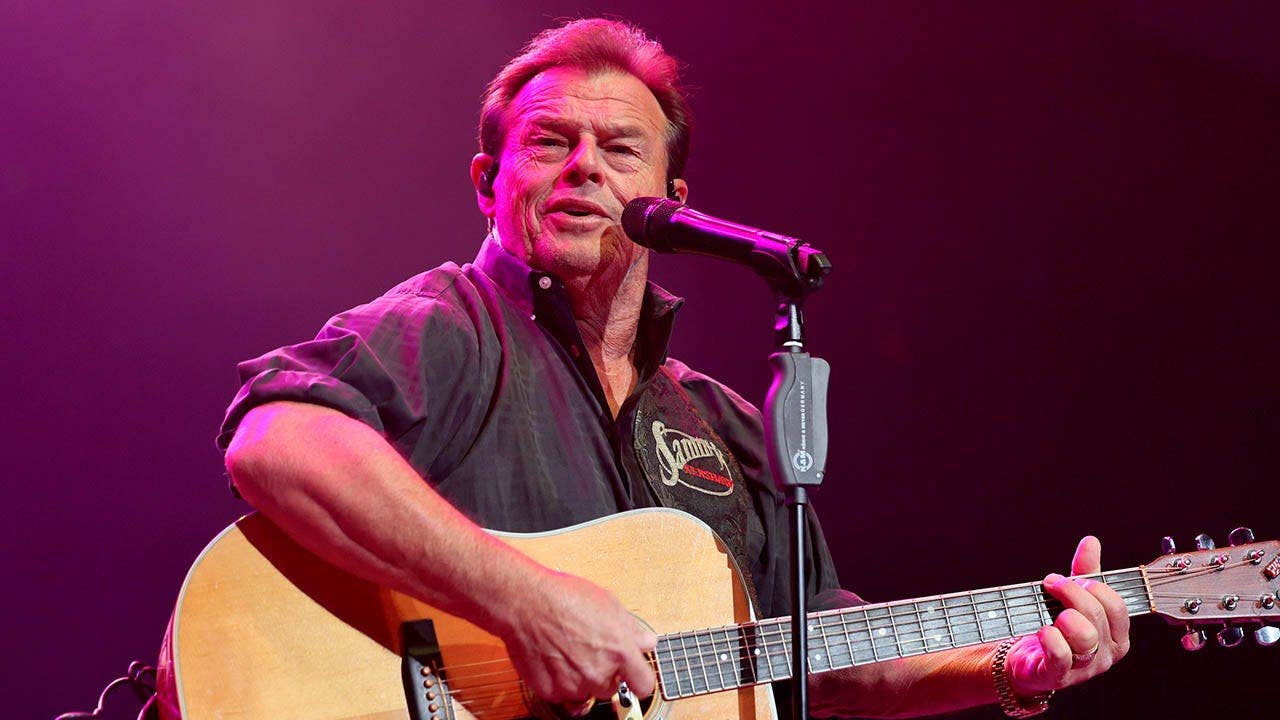
Sammy Kershaw's CMA Awards red carpet denial ignited a firestorm among country music artists who say the industry sidelines legends for influencers.
Sammy Kershaw has accepted a formal apology from the Country Music Association (CMA) following a dispute over his exclusion from the red carpet at the 2026 CMA Awards. After initially being denied access, the CMA extended an invitation for Kershaw and his wife to attend and walk the red carpet alongside other artists at the event, which celebrates its 60th anniversary this year.
The controversy began when Kershaw, a veteran country music artist with over five decades in the industry, revealed on November 5 that the CMA rejected his request to participate in the red carpet ceremonies. He expressed disappointment, explaining that he and his wife had rearranged touring plans and booked travel arrangements well in advance, only to be informed just weeks before the show that they would not be allowed on the carpet.
Related stories


Following Kershaw's public statement, fellow country artist Rodney Atkins disclosed that he and his wife, both longstanding CMA members, were also denied red carpet access and chose to skip the ceremony. Atkins acknowledged feeling like an outsider in the country music landscape despite having a successful career with multiple chart hits and active touring.
The CMA responded to the backlash by citing security and space limitations as the reasons behind their red carpet criteria. The organization apologized to those who felt excluded and emphasized its commitment to honoring country music’s history while spotlighting current successes during the milestone event.
This situation ignited widespread discussion among country artists and fans about the treatment of legacy performers compared to newer celebrities and influencers. Many artists criticized the CMA for prioritizing pop stars, actors, and social media personalities over veteran country musicians who have contributed significantly to the genre.
Artists such as Mark Chesnutt voiced frustration over what they perceive as the industry’s diminishing respect for musicians who shaped country music in previous decades. Chesnutt contrasted this trend with how rock music maintains strong reverence for its legends, suggesting country music’s leadership neglects its own heritage.
Pam Tillis, another established country artist, addressed the issue by noting that legacy artists often face being overshadowed by rising stars despite their ongoing connection to multigenerational audiences. She emphasized the need for industry recognition of artists who bridge country music’s past and present.
Kershaw's initial post underscored his more than 50 years in the business, citing millions of records sold, numerous Billboard hits, past CMA nominations, and his lifetime membership in the CMA since 1992 as grounds for his expectation to walk the carpet. He viewed the exclusion as not merely a personal slight but a broader failure to honor those who helped build the genre.
The CMA’s apology and invitation reflect a willingness to address the concerns raised by veteran artists and their communities. Kershaw acknowledged the sincerity of the CMA’s outreach and expressed hope that the dialogue will lead to more inclusive recognition of country music’s full legacy.
This incident highlights ongoing tensions within the genre about how to balance celebrating emerging talent while preserving the contributions of established artists. It also reveals challenges in managing high-profile events that seek to accommodate diverse stakeholders amid logistical constraints.
For Kershaw, the episode has reaffirmed his commitment to touring and performing for his dedicated fan base, underscoring that his career remains active even as he grapples with the evolving landscape of the country music industry.
As the CMAs proceed with their 60th-anniversary ceremony, the organization faces pressure to demonstrate respect and inclusivity for all artists who have shaped the genre’s history. Whether lasting changes will come from this moment remains to be seen, but the dialogue sparked by Kershaw and others has brought veteran artists’ concerns to the forefront of country music discourse.
The 2026 CMA Awards on November 18 will serve as a critical platform to observe how the association balances honoring legacy performers alongside celebrating contemporary stars. The resolution with Kershaw may set a precedent for how the CMA addresses similar disputes in the future.
Full story & global impact
This article was synthesized and rewritten by MusicTop Editorial from reporting published by foxnews.com. Read the publisher's report for the complete source context.
Read original source: foxnews.com