A Super Yacht Armada Came to Miami, Leaving a Marine Graveyard in Its Wake
Published June 26, 2026 · WORLD
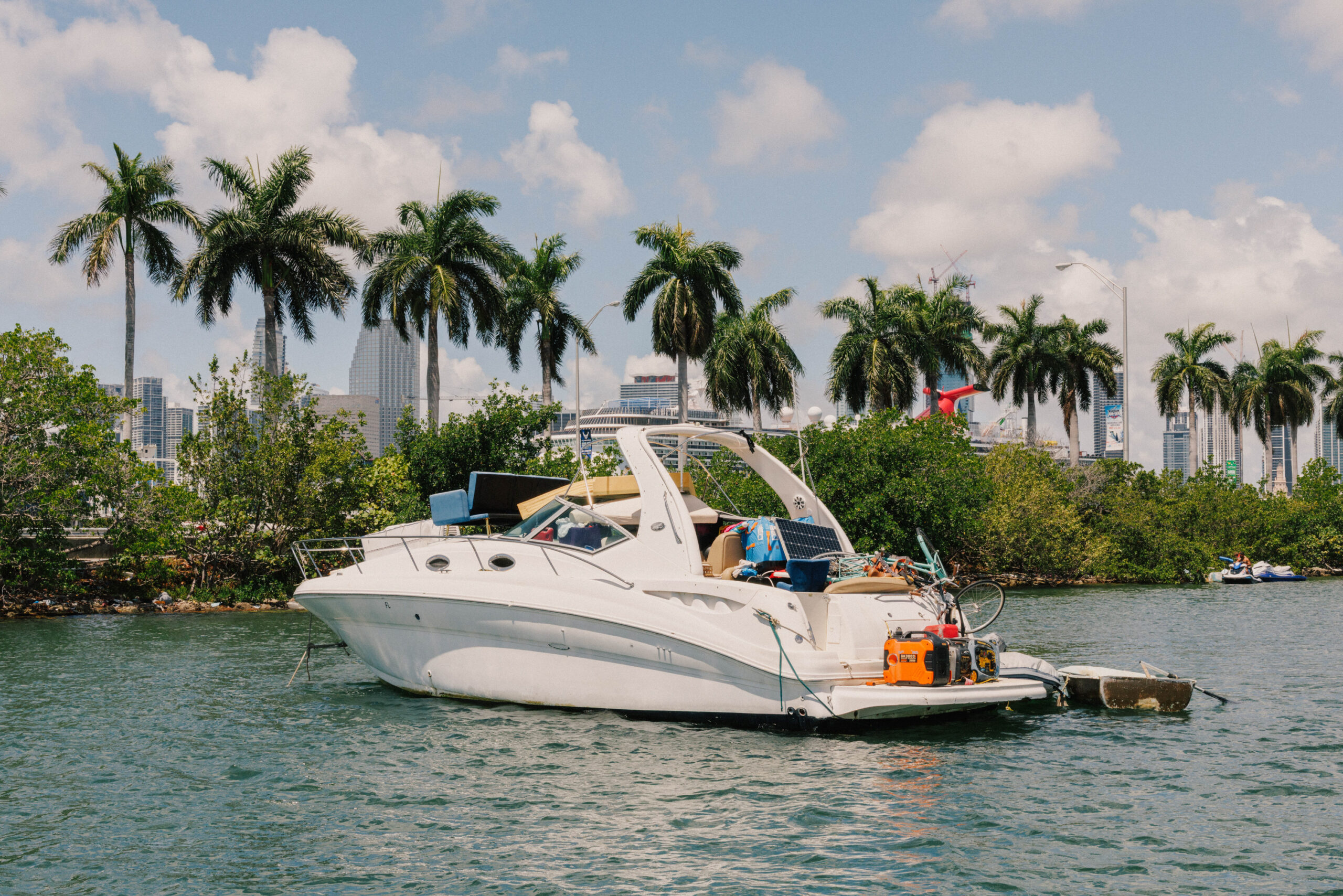
Not far from the super yachts docked outside the island palaces of Miami’s new billionaire class, smaller boats abandoned by people who couldn’t afford them languish in Biscayne Bay. Since October, Miami Beach police have identified and removed about 140 …
Miami’s Biscayne Bay has become a striking contrast of maritime affluence and neglect. While towering super yachts grace the waters near exclusive island estates owned by the city’s wealthiest residents, a growing number of smaller vessels lie abandoned, casting a shadow over the bay’s scenic allure.
Since the fall of last year, local authorities have grappled with the consequences of this maritime abandonment. Miami Beach police report having identified and removed approximately 140 derelict boats since October, highlighting a persistent problem beneath the surface glamour.
Related stories


These smaller crafts, often left behind by owners unable to maintain them, clutter parts of the bay, creating what some describe as a de facto marine graveyard. The accumulation poses hazards to navigation, disrupts local ecosystems, and detracts from the image of Miami as a premier coastal destination.
The juxtaposition is stark: while the billionaire class docks their multi-million-dollar yachts in pristine condition, the bay simultaneously suffers from neglect and environmental degradation caused by unattended vessels. This divide underscores broader socio-economic tensions present within the waterfront community.
Authorities have intensified efforts to locate and remove these abandoned boats, a task complicated by the sheer number and diverse ownership statuses. The process includes identification, legal procedures to claim or dispose of the vessels, and the logistical challenge of extraction.
Environmental concerns accompany the cleanup efforts. Abandoned boats can leak hazardous substances, damage coral reefs, and disrupt marine life habitats. As such, the initiative not only addresses aesthetic and navigational issues but also aims to mitigate ecological harm.
Despite these measures, the scale of abandonment indicates a continuing trend linked to economic factors influencing boat ownership and maintenance costs. The phenomenon reflects wider challenges in managing urban waterways amid rapid luxury development and shifting demographics.
Miami’s experience with this maritime paradox offers a cautionary tale about waterfront management in cities undergoing wealth influxes. Balancing the needs and impacts of diverse boating communities remains a critical concern for sustainable coastal stewardship.
Further details on the demographic profiles of abandoned boat owners, the long-term plans for Biscayne Bay’s cleanup, and comprehensive environmental impact assessments remain limited. However, the current situation demands ongoing attention from city officials, environmental groups, and the maritime industry to preserve the bay’s vitality.
In summary, Biscayne Bay’s waterfront illustrates a complex intersection of luxury lifestyle and environmental stewardship challenges, with authorities actively tackling the repercussions of neglected smaller vessels amid booming high-end yacht presence.
Full story & global impact
This article was synthesized and rewritten by MusicTop Editorial from reporting published by NewsAPI (original source unavailable). Read the publisher's report for the complete source context.
Original source link unavailable · Source: NewsAPI (original source unavailable)