14 Black Icons Who Fought Motown For Their Coins
Published June 30, 2026 · WORLD

June is Black Music Month, a time to celebrate the artists, songs, and sounds that helped shape American culture. Few institutions loom larger in that story than Motown, the Detroit hit factory that introduced the world to legends like Marvin Gaye, Diana Ross…
Motown Records, a cornerstone in the history of American music, transformed the cultural landscape by elevating Black artists to global stardom. The label, founded by Berry Gordy Jr. in Detroit, produced timeless hits and launched the careers of numerous legendary performers. However, beneath the celebrated success and chart-topping songs lies a more complex narrative surrounding financial disputes and the unequal distribution of wealth between Motown and its artists.
Throughout Motown’s golden era, many of its most influential artists encountered ongoing struggles to secure fair compensation for their contributions. While Motown’s polished sound and crossover appeal helped break racial barriers in the music industry, the economic rewards did not always reflect the artists’ pivotal roles. These tensions manifested in lawsuits, public grievances, and bitter departures.
Related stories
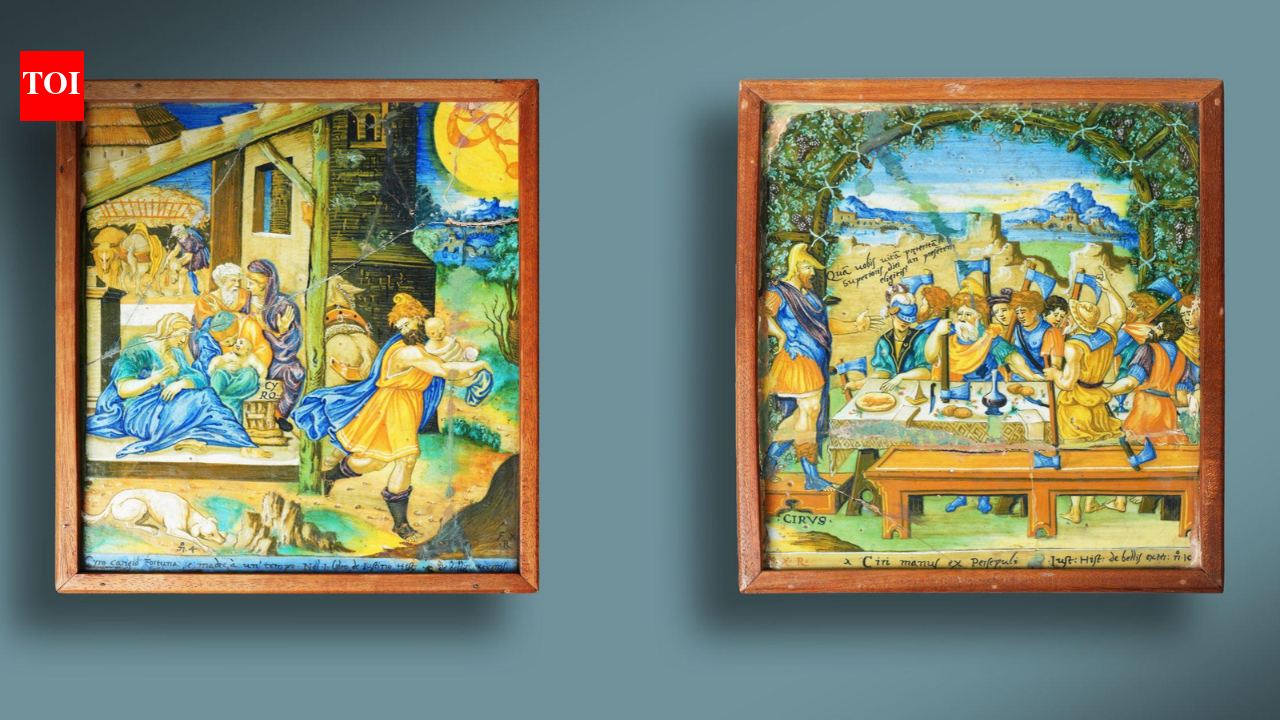 In 1884, two Renaissance plaques disappeared from public view after an auction; 142 years later, they were identified in an English family's hallway and sold for more than £100,000 in October 2026
 In 1973, the Philadelphia Orchestra became the first US orchestra to perform in China; ahead of its 14th China tour, former ambassador David Cohen and his wife pledged $10.5 million to support global tours and new music
Mary Wells, often called the “Queen of Motown,” was instrumental in shaping the label’s early sound with hits like “My Guy.” After her departure in 1964, Wells persistently sought the royalties she believed were owed, culminating in a significant lawsuit in 1991. The eventual settlement underscored the legitimacy of her claims and highlighted the financial challenges many Motown performers faced.
Similarly, Gladys Knight and the Pips, known for their rendition of “I Heard It Through the Grapevine,” expressed dissatisfaction with Motown’s allocation of hits and resources. Knight felt the group was relegated to receiving lesser material and support compared to other marquee acts, a sentiment echoed by other Motown artists who perceived imbalanced favoritism within the label’s roster.
Martha Reeves of Martha and the Vandellas, famous for “Dancing in the Street,” became a vocal critic of Motown’s royalty arrangements. She publicly addressed the discrepancy between the immense profits generated by Motown artists and the relatively modest financial returns they received, shedding light on the systemic issues affecting many performers under the label.
The Temptations’ David Ruffin and Eddie Kendricks both experienced contentious relationships with Motown management. Ruffin’s disputes centered on transparency and fairness in revenue sharing, while Kendricks criticized the marginalization of outspoken artists, indicating a broader pattern of strained artist-label dynamics at Motown.
The Isley Brothers, led by Ronald Isley, sought greater creative control and ownership of their works. Their decision to leave Motown was marked by a legal battle over the rights to the hit “It’s Your Thing,” which they ultimately won, affirming their pursuit of autonomy and financial justice.
Although less publicly confrontational, The Four Tops also voiced discontent with Motown’s financial and promotional support. Their frustrations contributed to their eventual departure from the label, reflecting a wider trend among Motown acts seeking better terms elsewhere.
Barrett Strong, who recorded Motown’s first major hit with “Money (That’s What I Want),” later encountered issues with songwriting credits and publishing royalties. His experiences underscore the challenges songwriters faced in securing proper recognition and equitable compensation within Motown’s business framework.
Thelma Houston, known for her Grammy-winning “Don’t Leave Me This Way,” recounted the limited control artists had over their careers at Motown. Instances such as the shelving of her recording of “Do You Know Where You’re Going To,” which later became a hit for Diana Ross, exemplify how the label’s decisions often superseded artists’ creative input.
Kim Weston, notable for the duet “It Takes Two” with Marvin Gaye, left Motown amid dissatisfaction with her contract terms. Her departure at a peak in her career highlighted the growing sense among artists that Motown’s financial benefits disproportionately favored the label.
Songwriter Lamont Dozier, a key figure in the Holland-Dozier-Holland team responsible for many Motown classics, engaged in prolonged legal disputes with Berry Gordy over royalties and profit-sharing. Their conflict, spanning nearly a decade, became one of the most extended legal battles in music history, illustrating the deep fissures between creators and the label.
The Jackson 5, whose youthful energy and hits like “I Want You Back” defined an era, eventually parted ways with Motown due to royalty disputes and restricted creative control. Their move to Epic Records was motivated by significantly improved financial terms and greater artistic freedom, marking a pivotal moment in Motown’s loss of one of its biggest acts.
Florence Ballard, a founding member of The Supremes, faced a tragic fate marked by exclusion and financial hardship. After being ousted from the group, she alleged she was denied rightful royalties and suffered severe personal and financial consequences. Her story remains a poignant reminder of the human cost behind Motown’s polished facade.
These narratives collectively reveal a pattern of Motown artists challenging the disparities between their cultural impact and the financial recognition they received. As Black Music Month honors the enduring influence of these pioneers, it also prompts reflection on the complexities surrounding ownership, control, and fairness in the music industry’s history.
Full story & global impact
This article was synthesized and rewritten by MusicTop Editorial from reporting published by theroot.com. Read the publisher's report for the complete source context.
Read original source: theroot.com