‘Her fearless pursuit of capturing truth, even when it was grotesque, was a revelation’ – Fiona Apple’s Tidal turns 30
Published July 23, 2026 · WORLD
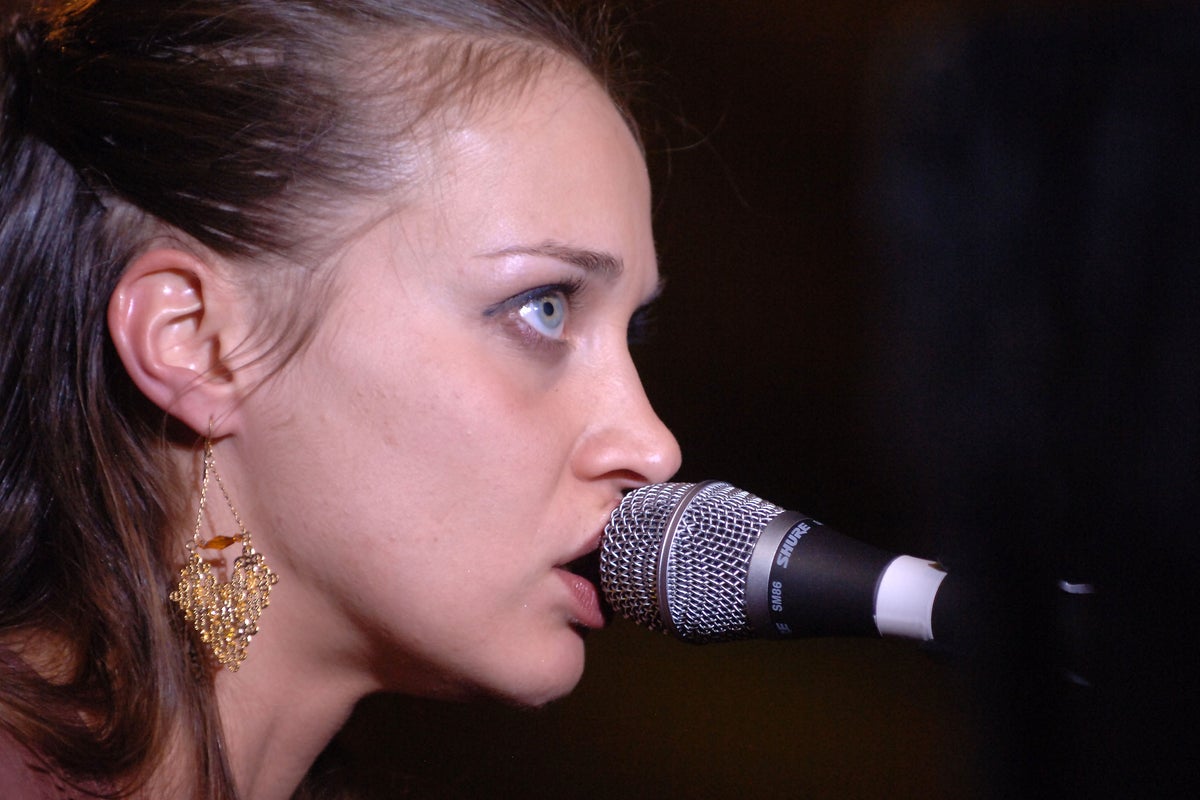
The New York artist was 18 when she released her debut album, in which she picked apart her experiences of trauma, anger, fear, isolation, heartache and self-loathing. Thirty years later, singer Sara Bareilles and critic Jenn Pelly tell Carsen Holaday how App…
In 1996, an 18-year-old Fiona Apple introduced the music world to a deeply personal and emotionally charged debut album titled Tidal. With its moody jazz-inflected soundscapes and candid lyrics, the album distinguished itself by confronting themes of trauma, anger, heartache, and isolation with unprecedented frankness for a young female artist.
Emerging amid a musical landscape dominated by polished pop anthems and male-driven hip-hop rivalries, Apple's arrival disrupted expectations. Her unvarnished storytelling and refusal to conform to conventional pop or rock molds challenged the industry's norms. While contemporaries like Alanis Morissette and Tori Amos had begun pushing boundaries in alternative rock, Apple's fusion of classical elements with raw emotional depth carved a unique niche.
Related stories

Tidal's tracks delve unabashedly into difficult experiences, including Apple's own struggles with depression and adolescent trauma. Songs such as "Sleep to Dream" and "Sullen Girl" articulate feelings of betrayal, pain, and survival in ways that were rarely voiced so explicitly by female artists of her age. The album's lead single, "Criminal," written rapidly under creative challenge, juxtaposes sultry instrumentation with confessions of guilt and vulnerability, showcasing Apple's skill in subverting expectations.
The album resonated deeply with listeners, eventually selling two million copies and earning platinum status within its first year. Yet, Apple's candidness and refusal to fit neatly into the music industry's commercial formulas invited critical skepticism and media backlash. Her serious demeanor and forthright lyrics led to unfair labels, and her infamous 1997 Grammy Awards speech—where she eschewed the typical acceptance rhetoric to voice disillusionment with the industry—fueled further controversy.
Despite these challenges, Apple's steadfast commitment to authenticity has defined her career. Over subsequent decades, she has maintained an often reclusive public presence, releasing music on her own terms and addressing social and political issues through her work and actions. Her recent statements reveal ongoing efforts to grapple artistically with the complexities and atrocities of contemporary life.
The influence of Tidal extends beyond its initial impact, inspiring a generation of songwriters credited with embracing vulnerability and narrative complexity in their work. Artists such as Sara Bareilles, Olivia Rodrigo, and others cite Apple's pioneering approach as foundational to their own artistic development. Critics emphasize how Apple transformed the cultural trope of "hysterical" female emotion into a source of empowerment and relatability.
Furthermore, Apple's navigation of fame and public scrutiny at such a young age set precedents for how artists manage personal boundaries and creative autonomy today. Her legacy includes not only her music but also her example of resilience and integrity within an often exploitative industry.
As Tidal celebrates its 30th anniversary, its enduring relevance testifies to Fiona Apple’s role in reshaping pop music’s emotional and sonic landscape. The album remains a powerful testament to the value of fearless self-expression and the ongoing struggle to articulate truth amid societal pressures.
Full story & global impact
This article was synthesized and rewritten by MusicTop Editorial from reporting published by the-independent.com. Read the publisher's report for the complete source context.
Read original source: the-independent.com