Frank Sinatra's Least Favorite Frank Sinatra Songs
Published July 26, 2026 · WORLD
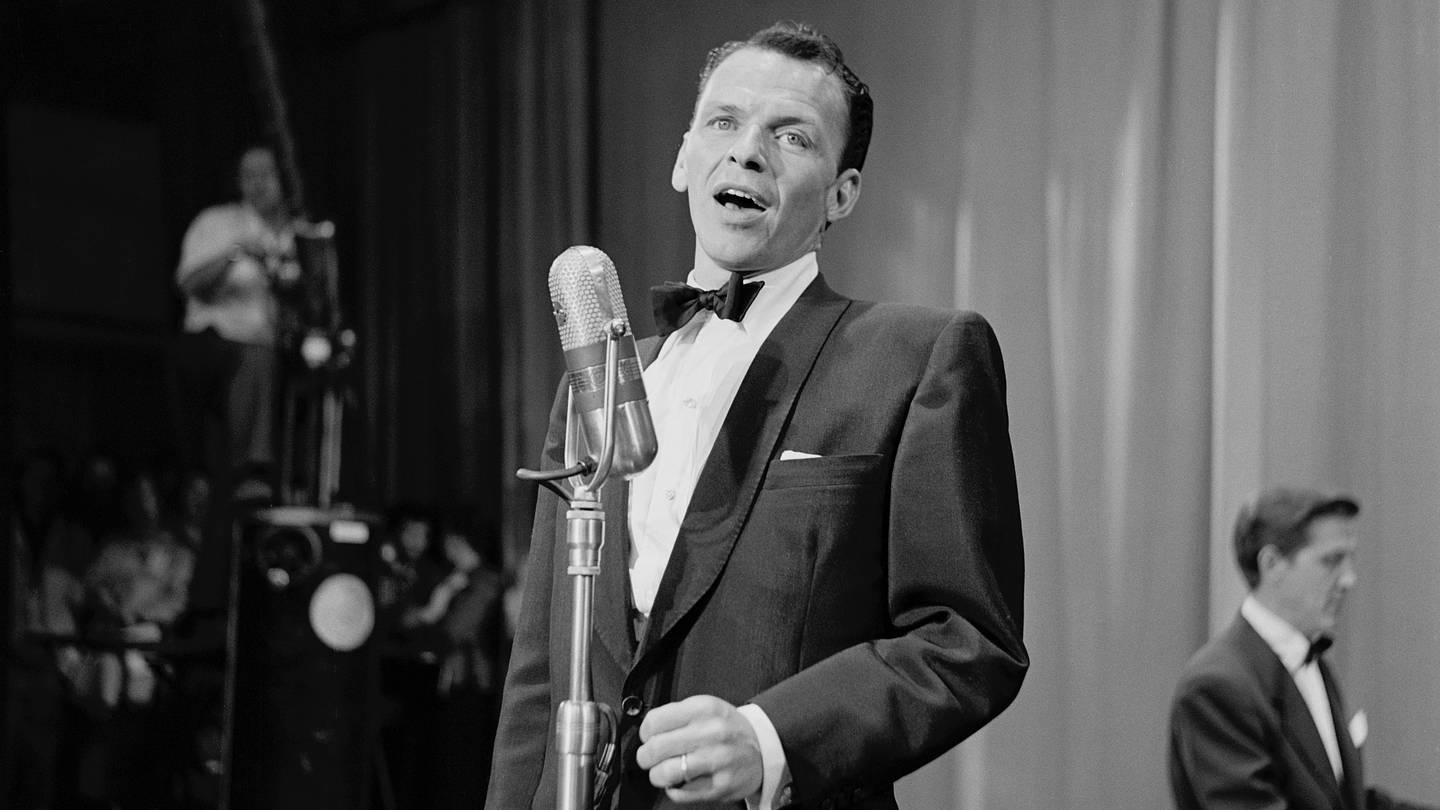
Some of the crooner's most beloved classics were his least favorite to perform.
Frank Sinatra, an emblematic figure in American music, is celebrated for his extensive and timeless catalog that helped define the mid-20th century crooner era. His influence stretched beyond music into film and popular culture, with songs that continue to resonate well into the 21st century. Yet, behind the public adulation, Sinatra harbored a surprising aversion to several songs that became synonymous with his legacy.
Sinatra’s career flourished particularly during the 1950s and 1960s, a period when he emerged from big band beginnings to become a solo superstar. His smooth voice and charismatic delivery made tracks such as “The Way You Look Tonight,” “Fly Me To The Moon,” and “I’ve Got You Under My Skin” staples on radio and in homes worldwide. These songs transcended their era, frequently covered across genres and generations, and remain deeply embedded in popular culture.
Related stories
Aitana se va a Estados Unidos: va a cantar donde cantaron Frank Sinatra y Madonna
 Quote of the day by Frank Sinatra: 'A simple I love you means more than...' - American singer's timeless wisdom on why love cannot be measured by money and why heartfelt words can mean more than expensive gifts
 Bruce Springsteen's Favorite Song Is a Frank Sinatra Classic
Nevertheless, some of Sinatra’s most recognizable and commercially successful recordings were reportedly the ones he least enjoyed performing. According to mentalfloss.com, the repetitive nature of live performances contributed to the singer’s growing disenchantment with certain hits, a sentiment not uncommon among artists tasked with delivering crowd-pleasers night after night.
One of the most notable examples is “My Way,” which Sinatra famously adopted as an anthem of individualism and self-assurance. Despite its iconic status, Sinatra grew increasingly weary of the song, finding it an exhausting obligation rather than a pleasure to sing. This fatigue with performing “My Way” eventually led him to replace it with another song that would ironically become another source of frustration.
The “Theme From New York, New York,” initially a replacement encore, became a staple of Sinatra’s live shows but also a source of annoyance. An incident at a 1983 dinner honoring Elizabeth Taylor at New York City’s Friars Club revealed Sinatra’s candid displeasure, as he expressed a desire to never hear the song played again. This anecdote highlights the complexity of his relationship with some of his signature tunes, juxtaposing public acclaim with private irritation.
Beyond these, “Strangers in the Night” stands out as a song Sinatra reportedly detested. His wife, Barbara Sinatra, recounted his harsh opinions about the song, describing it as one he considered particularly distasteful. This candid perspective adds depth to the understanding of Sinatra’s artistic preferences and challenges the simplistic view of an artist uniformly proud of all their hits.
These revelations underscore the dual realities artists often face: the songs that audiences cherish may not always align with the performer’s personal tastes or feelings. For Sinatra, the burden of repeatedly performing certain pieces, regardless of their popularity, was an aspect of his career that contrasted sharply with his otherwise celebrated musical achievements.
Despite these personal misgivings, Sinatra’s interpretations left an indelible mark on American music. His ability to infuse songs with emotion and style ensured their enduring popularity, regardless of his private sentiments. The tension between his public persona and private opinions enriches the narrative of his legacy, offering a more nuanced portrait of the man behind the voice.
In the final analysis, Sinatra’s story reflects a broader truth about performance art: the demands of fame and audience expectation can sometimes conflict with an artist’s own creative fulfillment. While he maintained his status as one of the greatest crooners in history, Sinatra’s nuanced feelings toward some of his famous songs remind us that even legends have their favorites and their frustrations.
Details about the full extent of Sinatra’s sentiments toward other songs remain limited, but the available accounts provide valuable insight into the complexities of his career. His journey illustrates how iconic music can carry different meanings for the artist and the audience alike, a dynamic that continues to shape discussions of musical legacy today.
Full story & global impact
This article was synthesized and rewritten by MusicTop Editorial from reporting published by mentalfloss.com. Read the publisher's report for the complete source context.
Read original source: mentalfloss.com