Miss your CD collection? This wall-mounted display for Spotify and Apple Music promises to bring back its ‘feeling of connection’ — but its maker insists he doesn’t want to kill off physical media
Published July 31, 2026 · WORLD
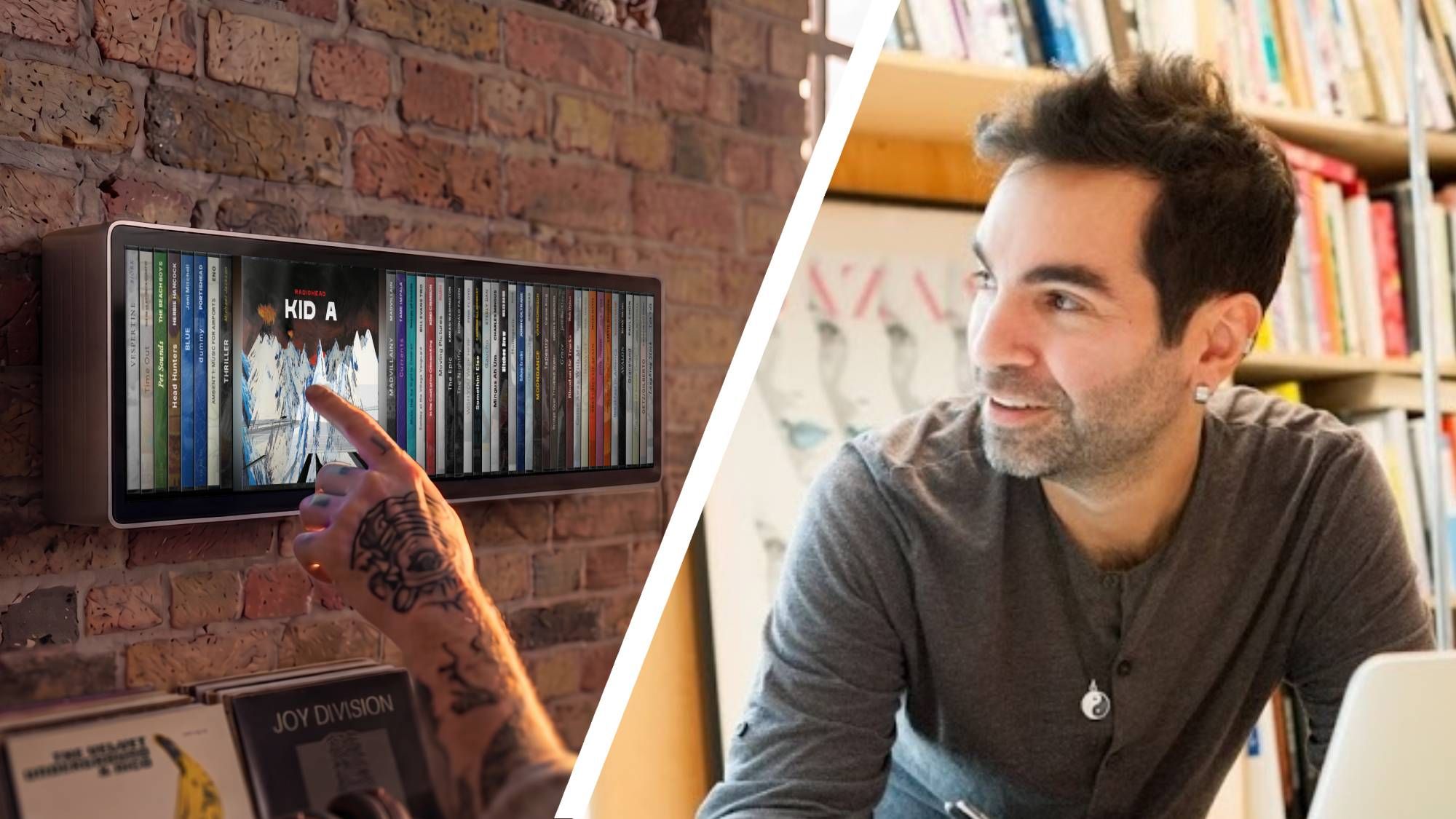
Spine Music founder Ricardo Amorim is putting his love for albums and CD collecting into a new digital music display.
In an era dominated by digital streaming, a new innovation from Spine Music aims to recapture the intimate experience once offered by physical music collections. Ricardo Amorim, the founder of Spine Music, has developed a wall-mounted digital music display designed to evoke the tactile and visual connection listeners once had with their albums and CDs, now applied to Spotify and Apple Music.
This device provides a fresh way for users to engage with their digital music libraries by displaying album artwork prominently, transforming streaming playlists into a gallery-like experience. By doing so, it bridges the gap between digital convenience and the nostalgic charm of owning physical media, offering a visual centerpiece that celebrates music as both sound and art.
Related stories



Amorim’s motivation stems from a personal passion for albums and CD collecting, but importantly, he clarifies that his invention is not aimed at replacing physical formats. Instead, it serves as a complement that honors the traditional connection people have with their music collections while embracing modern streaming technologies.
Details on the technical specifications and release timeline of the Spine Music display remain limited, but its conceptual appeal lies in enhancing music consumption beyond the typical app interfaces. The display’s wall-mounted design suggests an intention to integrate music more seamlessly into living spaces, turning listening sessions into visually engaging experiences.
This approach taps into a broader cultural desire to reclaim some of the tangible, aesthetic qualities lost in the transition from physical to digital music formats. By highlighting album art and providing a dedicated music display, the device encourages users to slow down and visually appreciate the music alongside the audio.
While the music industry has largely shifted towards streaming dominance, innovations like Spine Music’s display underscore ongoing interest in hybrid solutions that respect both new and traditional listening habits. It represents a subtle yet meaningful response to the digitization of music, emphasizing connection and presence over mere accessibility.
Though the long-term impact on physical media sales or streaming behavior is yet to be seen, the Spine Music display exemplifies how technology can innovate in ways that celebrate music’s cultural and emotional dimensions rather than disrupt them.
As streaming platforms continue to evolve, complementary devices like this may carve out a niche by enhancing user engagement through design and interaction. Ricardo Amorim’s project reflects a nuanced understanding of music fandom, one that values both the digital future and the analog past.
Further information on availability, pricing, and detailed features is pending, but the Spine Music display has already sparked interest for its novel attempt to marry the aesthetics of physical collections with the flexibility of digital streaming. It represents a unique development in the ongoing dialogue about how best to experience and appreciate music in the contemporary landscape.
Full story & global impact
This article was synthesized and rewritten by MusicTop Editorial from reporting published by techradar.com. Read the publisher's report for the complete source context.
Read original source: techradar.com