Gianni Infantino faces another tournament headache as FIFA’s 2029 Club World Cup plan hits two major obstacles
Published August 4, 2026 · WORLD
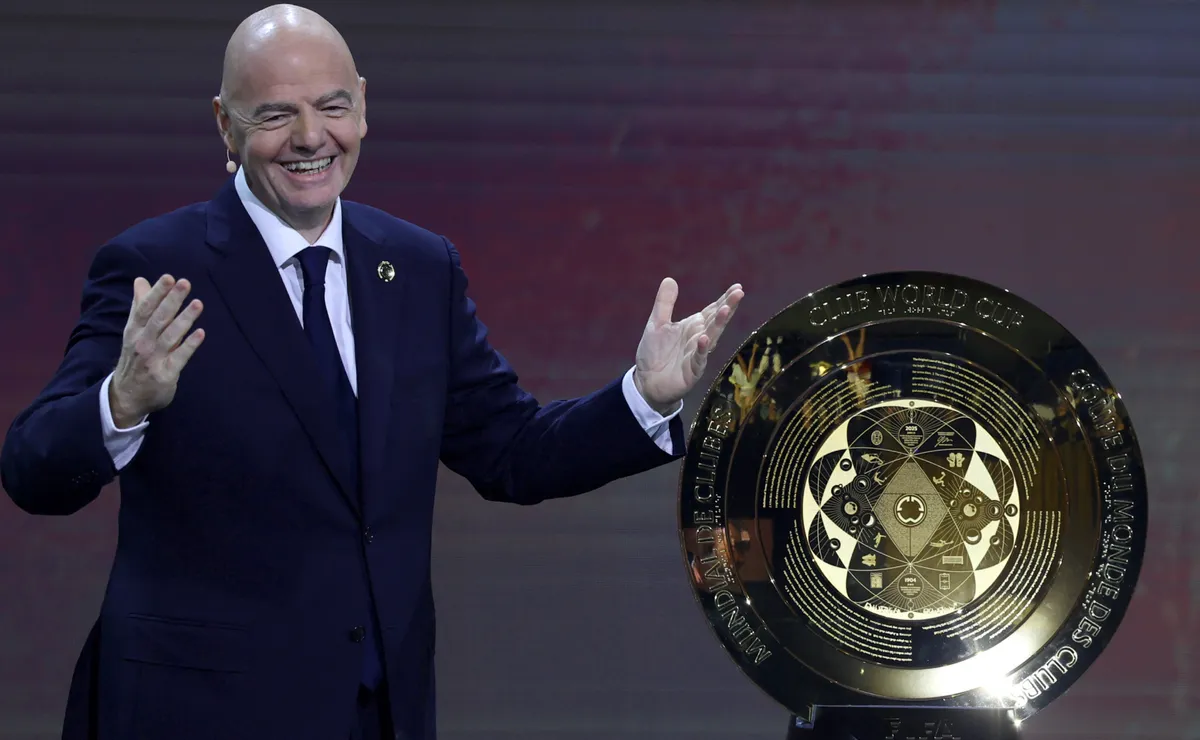
While the governing body remains committed to expanding the tournament’s global profile, fresh reports suggest the road ahead has become far more challenging than expected. Gianni Infantino is once again dealing with growing uncertainty surrounding one of FI…
FIFA’s ambitious vision to elevate the Club World Cup to a global spectacle is encountering significant obstacles ahead of its planned 2029 edition. Despite the successful launch of the revamped 32-team tournament in 2025, the path forward has grown increasingly uncertain due to unresolved logistical and diplomatic issues.
The expanded format made its debut in the United States in 2025, culminating in Chelsea’s notable 3-0 victory over Paris Saint-Germain in the final. FIFA positioned this event as a blueprint for establishing a major international club competition with heightened global reach and commercial appeal. Yet, as conversations advance toward the 2029 tournament, the organization faces critical challenges that threaten to undermine these aspirations.
Related stories
Why is Mexico still supporting Gianni Infantino as FIFA president?
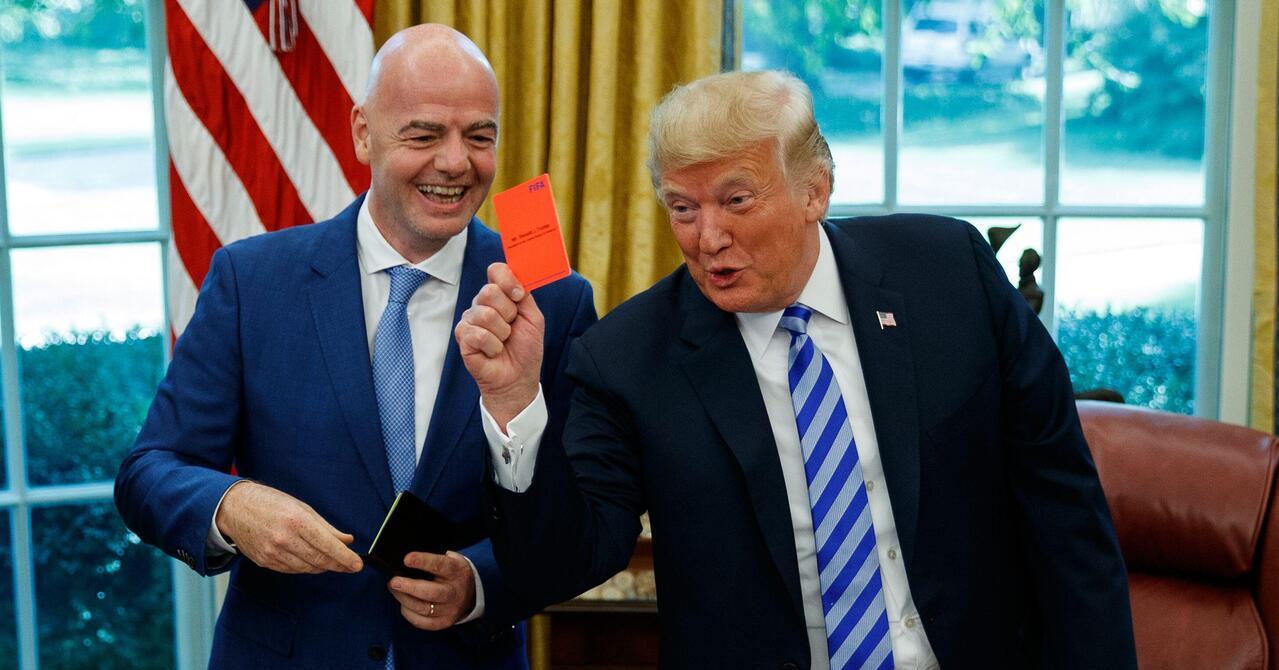 Donald Trump ready to endorse Gianni Infantino for the role of secretary-general of the United Nations
 Trump's cringe World Cup cameo was a fitting finale to a tournament of excess, greed and FIFA boss Gianni Infantino's twisted dreams
Foremost among these challenges is the ongoing lack of consensus with Europe's elite clubs, whose participation is vital to the tournament’s prestige and competitive quality. Reportedly, negotiations between FIFA and representatives from major European leagues and the European Club Association have stalled, reflecting growing frustration stemming from previous disputes and governance disagreements. Some European officials have even contemplated a boycott of the 2029 event, signaling deepening tensions.
Compounding the issue, discussions about hosting rights remain unsettled. Although several nations—including Australia, New Zealand, Brazil, Germany, Mexico, England, Qatar, and the United States—have expressed interest in staging the tournament, FIFA has yet to finalize a host country. This uncertainty complicates preparations and raises doubts about the event’s logistical feasibility.
Underlying the diplomatic friction are persistent financial concerns that have eroded trust among stakeholders. After the 2025 Club World Cup, solidarity payments intended for clubs and leagues not participating in the tournament have reportedly not been fully disbursed. Sources indicate that an estimated $250 million remains unpaid, exacerbating skepticism about FIFA’s financial commitments and transparency.
The financial issues extend beyond Europe, with reports emerging that cities involved in the 2026 World Cup preparations in the United States have not received promised monetary contributions. Executives from several host cities claim verbal assurances from FIFA’s senior management about payments have yet to materialize, further complicating the organization's standing with local partners.
These accumulating difficulties transpire amid a broader context of strained relationships between FIFA’s leadership and prominent football entities. The fallout from the abandoned proposal to privatize stakes in FIFA competitions has intensified scrutiny on President Gianni Infantino’s administration. High-profile figures within the football community have publicly distanced themselves from FIFA’s recent initiatives, reflecting concerns about strategic direction and governance.
At the continental level, discussions among UEFA officials and the European Club Association in Salzburg highlight the growing rift. The consideration of alternative international tournaments outside FIFA’s control, while still preliminary, underscores the extent of discontent and the potential fracturing of the current football governance framework.
As FIFA approaches the next election cycle, pressures mount from federations worldwide seeking clarity on leadership and organizational priorities. The unresolved issues surrounding the 2029 Club World Cup represent a significant test for FIFA’s ability to reconcile competing interests and deliver on its vision for global club competition.
In summary, while the 2025 tournament demonstrated the potential for an expanded Club World Cup format, the next edition faces substantial hurdles. The absence of a host agreement, coupled with strained relations and outstanding financial obligations, casts doubt on whether the 2029 competition will proceed as initially planned. The coming months will be critical for FIFA to navigate these challenges and restore confidence among football’s key stakeholders.
Full story & global impact
This article was synthesized and rewritten by MusicTop Editorial from reporting published by worldsoccertalk.com. Read the publisher's report for the complete source context.
Read original source: worldsoccertalk.com